Accidental hypothermia: stages and rewarming
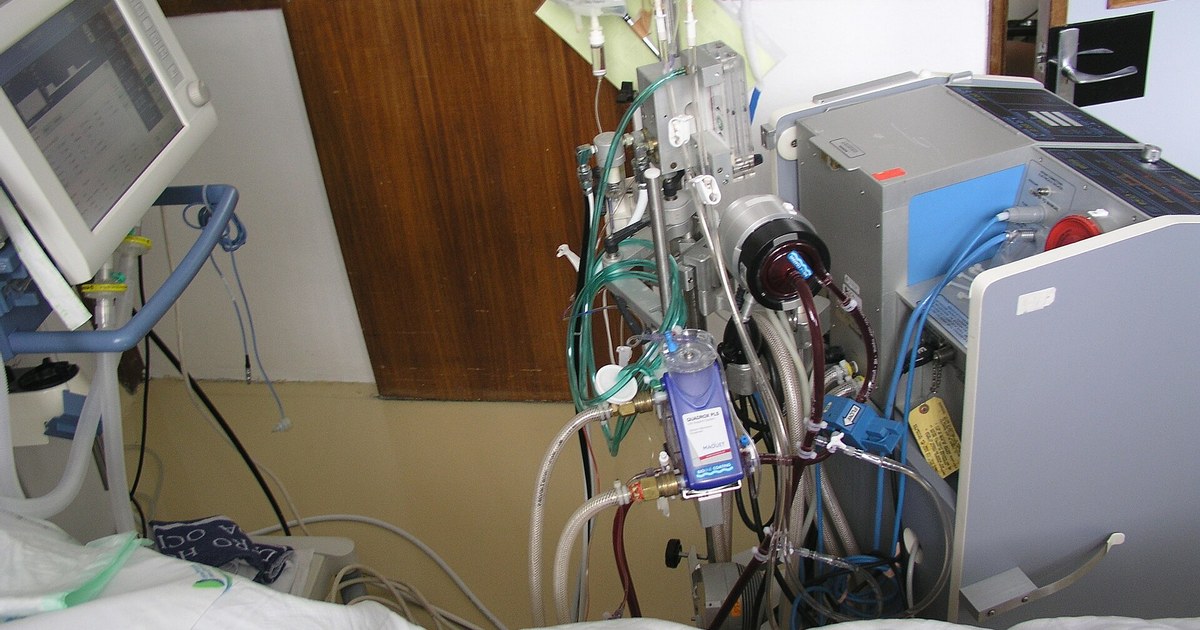
Table of contents
- Why hypothermia is a setting for reasoning
- How the body loses heat and when it stops defending itself
- The stages: from the Swiss system to the risk of arrest
- The handling that can stop the heart
- Rewarming: passive, active external and internal
- Cardiac arrest in the cold
- Extracorporeal circulation and the HOPE score
- The biases that cool down reasoning
- How NEXO helps train this reasoning
- Frequently asked questions
- Final checklist
- References
On a winter dawn, the rescue team finds a man in his early sixties lying in a park, with wet clothes and an empty bottle beside him. He answers the voice with scattered words, does not shiver and has cold skin. The monitor shows a low heart rate. On the way to the ambulance, a rescuer lifts him abruptly, and the rhythm on the monitor changes. The scene is fictional and was written for teaching. This text uses that picture as a setting for clinical reasoning: how to estimate the severity of hypothermia when there is no reliable thermometer, why handling matters, how to think about rewarming and why cardiac arrest in the cold follows its own rules.
NEXO is a daily medical diagnosis game: one clinical case a day, up to six progressive clues, and ICD-10 proximity feedback across five levels.
This text is not a care protocol. Each service follows its own resuscitation and transport guidelines, and decisions about extracorporeal circulation depend on the resources of each region. The interest here is the reasoning: which clues separate the stages, which errors are predictable and which questions help to decide. If you play the case of the day on NEXO, you will recognize the move: a clue about the environment can change the course of the guess.
Key points
- Accidental hypothermia is the involuntary drop in core temperature below 35 °C, and it can be primary, from the cold, or secondary, from disease, intoxication or trauma.
- When core temperature cannot be measured, the level of consciousness helps to estimate the risk of cardiac arrest.
- Abrupt movements during rescue can trigger severe arrhythmias in the hypothermic patient.
- Below 30 °C, resuscitation changes: fewer shocks, delayed medications and transport to a center with extracorporeal circulation.
- In cardiac arrest from hypothermia, a full neurological recovery is possible even after prolonged resuscitation.
Why hypothermia is a setting for reasoning
Paal and colleagues define accidental hypothermia as the involuntary drop in core temperature below 35 °C and recall that, every year, thousands of people die of primary hypothermia worldwide, not counting an unknown number of deaths from secondary hypothermia (Paal and colleagues, 2022). The authors point out that injured or intoxicated patients cool down quickly, even in subtropical regions.
That last point is what makes hypothermia a good setting for reasoning. It does not belong only to the mountains and the polar regions. It appears in the older person who fell at home and spent the night on the floor, in the intoxicated patient who slept on the street, in the injured person who waited for rescue lying on wet asphalt. In many of these cases, hypothermia is not the main complaint, and it only enters the reasoning when someone measures the temperature the right way.
Primary and secondary
Paal and colleagues separate primary hypothermia, caused by exposure to cold in a healthy person, from secondary hypothermia, triggered by another condition, such as disease, intoxication or trauma (Paal and colleagues, 2022). For the clinician, the distinction changes the question. In primary hypothermia, the cold explains the picture. In secondary hypothermia, the cold is part of the picture, and the underlying cause also needs an answer.
What the scene teaches
In the opening scene, the empty bottle is a clue, but also a trap. It invites you to attribute the confusion to alcohol and to ignore the temperature. The post on signs, symptoms and history shows how the history and the context change the weight of each finding. Here, the context of cold and wet clothes calls for hypothermia to enter the list before any other explanation.
How the body loses heat and when it stops defending itself
Core temperature is kept near 37 °C by central and peripheral mechanisms, such as peripheral vasoconstriction, shivering and sweating (Paal et al., 2022). Shivering is the most visible defense, and its absence is an important clue. The authors explain that shivering can decrease or disappear in people who are exhausted, sedated or severely ill, and that without it, core temperature falls faster and spontaneous rewarming may become impossible.
The speed of cooling
Heat loss depends on the environment. Paal et al. report that in avalanches, the cooling rate of buried victims can reach 9 °C per hour, and that a person immersed in water below 15 °C can have cardiac arrest after about 30 minutes (Paal et al., 2022). Wind, humidity, thin clothing and immobility speed up the process.
Who cools faster
Beyond the environment, there are factors in the patient. Advanced age, chronic diseases, malnutrition, alcohol or sedative intoxication and injuries that prevent the person from moving reduce the ability to produce heat or to seek shelter. In practice, the question "how long has this person been in this situation, and under what conditions?" helps estimate severity before any measure.
Measuring temperature the right way
Paal et al. recall that the definitive diagnosis and the determination of the hypothermia level can only be made by measuring core temperature (Paal et al., 2022). Because the outer parts of the body cool before the center, the measurement must be taken as close as possible to the heart and the brain.
Thermometers that mislead
The same authors explain that measurements on the skin, in the mouth, in the axilla, at the so-called temporal artery and the infrared ear thermometer are influenced by the environment and are not accurate in hypothermia (Paal et al., 2022). One exception is the epitympanic measurement with a thermistor, with a device made for external use and well insulated, as long as the ear canal is clear. In intubated patients, the esophageal probe is preferred.
When there is no reliable thermometer
In the field, there is often no way to measure core temperature. Paal et al. suggest that a rough initial estimate can be made by touching the patient's chest and using the revised Swiss system, described in the next section (Paal et al., 2022). They warn that the level of consciousness can be affected by factors other than temperature, such as intoxication and trauma, exactly what appears in the opening scene.
The stages: from the Swiss system to the risk of arrest
Musi et al., on behalf of the International Commission for Mountain Emergency Medicine, proposed a revision of the Swiss staging system (Musi et al., 2021). The authors start from an observation: estimating core temperature in the field is imprecise. Therefore, the revised system now uses the risk of cardiac arrest, and not temperature, to define the stage, based on the level of response on the AVDN scale, and removes shivering as a sign that defines stage.
The table below summarizes, in a didactic way, the reasoning of the revised Swiss system. It simplifies a technical document and does not replace local guidelines.
| Stage | Main clue | Risk of cardiac arrest | Question that helps |
|---|---|---|---|
| 1 | Alert | Low | Can the patient warm up with shelter, food and movement? |
| 2 | Responds to voice | Moderate | Is handling being done carefully and in the horizontal position? |
| 3 | Responds to pain or does not respond, with vital signs | High | Is a center with extracorporeal circulation within reach? |
| 4 | No vital signs | Hypothermia with arrest | Can the arrest be explained by the cold, and is resuscitation continuous? |
Why shivering left the definition
Shivering is a useful clue, but unreliable for defining the stage. It may be absent in people who are exhausted or intoxicated even with mild hypothermia, and present for some time in more severe cases. By replacing shivering with the level of response, the revised system relies on a clue that is easier to observe and more closely linked to what matters: the risk of the heart stopping (Musi et al., 2021).
When confusion has another cause
In the opening scene, the patient responds to voice, which would place him at stage 2. But the empty bottle is a reminder that alcohol also reduces responsiveness. The reasoning here is not to choose one cause, but to accept that both can be present and to treat the greater risk. The post about differential diagnosis shows how to keep more than one hypothesis open while the clues accumulate.
The handling that can stop the heart
Paal and colleagues describe circulatory collapse during the removal or transport of the hypothermic patient as "rescue collapse", which can manifest as a witnessed cardiac arrest (Paal and colleagues, 2022). The mechanism is not well understood and may have several causes, but the most frequent is a mechanical stimulus, such as a sudden movement. Hypovolemia, arrhythmias triggered by procedures and biochemical changes also enter the explanation.


The drop that continues after rescue
The same authors describe afterdrop, the fall in core temperature that continues even after rewarming has begun (Paal and colleagues, 2022). The main cause is the return of blood from cold parts of the body to the central circulation, but heat exchange between cold and warmer regions can also contribute. In practice, this means the patient can get worse right after being rescued, when the team has already relaxed.
Horizontal, slow and protected
Paal and colleagues recommend that a patient who cannot walk be placed horizontally on a stretcher, protected from cold, wind and moisture, and that patients found lying down not be made to walk before receiving calories and shivering for about 30 minutes (Paal and colleagues, 2022). They also note that walking increases heat production but increases afterdrop. In the opening scene, the rescuer's sudden movement is the mistake the text wants to make visible.
Rewarming: passive, active external and internal
Paal and colleagues explain that rewarming can be passive or active and that, most of the time, passive and active external techniques are enough (Paal and colleagues, 2022). Internal techniques are reserved for patients with refractory hypothermia or in cardiac arrest, and extracorporeal rewarming should be done with extracorporeal membrane oxygenation.
Stage 1 stays in place
The authors report that patients with mild hypothermia and no injuries are usually fully alert and can generally be cared for on site, without transport to hospital (Paal and colleagues, 2022). Getting the person out of the cold, improving insulation, offering food and hot drinks and encouraging active movement is usually enough.


Layers, vapor barrier and heat packs
For the more severe stages, Paal and colleagues describe multi-layer packaging, with a vapor barrier in a wet or windy environment, removal of wet clothing in a sheltered place and chemical or electric heat packs on the chest and back, without direct contact with the skin, to prevent burns (Paal and colleagues, 2022). The authors note that attempts to rewarm should not delay transport.
The fear of external rewarming
For a long time, active rewarming outside the hospital was seen as dangerous, for fear of afterdrop and collapse. Mydske and Thomassen reviewed the literature on the subject and found few studies, of low quality, with no acceptable evidence that active external rewarming outside the hospital is dangerous for patients with accidental hypothermia (Mydske and Thomassen, 2020). The authors observe that many of the articles that assert the risk do not cite references. This is a good example of a rule that spread more through repetition than through data.
Cardiac arrest in the cold
Paal and colleagues state that cardiac arrest from hypothermia is fundamentally different from arrest at normal temperature, with very different treatment and outcomes (Paal and colleagues, 2022). The European Resuscitation Council guidelines for arrest in special circumstances include hypothermia among the causes that call for changes in basic and advanced life support (Lott and colleagues, 2021).
Shocks and drugs below 30 °C
Paal and colleagues summarize the main changes. If ventricular fibrillation persists after three shocks and the core temperature is below 30 °C, further attempts should be postponed until the temperature rises above 30 °C. Adrenaline and amiodarone should not be given below 30 °C, and the adrenaline interval should be doubled between 30 °C and 35 °C (Paal and colleagues, 2022). Standard protocols resume when the temperature reaches 35 °C.
Intermittent resuscitation when there is no choice
Gordon and colleagues note that keeping resuscitation continuous throughout the rescue can be impossible, especially in difficult evacuations (Gordon and colleagues, 2015). The authors recommend continuous resuscitation whenever possible, with mechanical compression devices when available. Only when this is not possible can resuscitation be postponed or done intermittently, alternating 5 minutes of compressions with up to 5 minutes without compressions below 28 °C, and up to 10 minutes without compressions below 20 °C.
Stopping resuscitation requires a different yardstick
Gordon and colleagues report that a full neurological recovery is possible even after prolonged arrest, if the brain was already very cold before the heart stopped (Gordon and colleagues, 2015). For this reason, the criteria used to end resuscitation at normal temperature do not apply in the same way. The post about diagnostic uncertainty shows how to decide when the available information still does not allow certainty.
Hypothermia in the city
The most common image of hypothermia is the mountain, but a significant share of patients show up in the city. Rischall and colleagues studied adults with environmental exposure and a core temperature of up to 32 °C in an urban emergency department (Rischall and colleagues, 2025). About 25 in every 100 patients had cardiac arrest. The proportion was 6 in every 100 in moderate hypothermia, 38 in every 100 in severe hypothermia, between 24 °C and 28 °C, and 89 in every 100 in profound hypothermia, below 24 °C.
Every degree less counts
In the same study, the risk of cardiac arrest increased 2.06 times for each degree lower in the initial core temperature below 32 °C (Rischall and colleagues, 2025). This number translates into clinical language what the revised Swiss system proposes: the stage matters because it predicts the risk of the heart stopping.
Witnessed arrests, better outcomes
Rischall and colleagues found that 42 in every 100 arrests were witnessed by the team, during transport or already in the emergency department, and that overall survival was 53 in every 100 (Rischall and colleagues, 2025). Among patients whose first arrest happened already in the emergency department, survival reached 90 in every 100, close to the 94 in every 100 of those who did not arrest. The authors conclude that patients with severe hypothermia in the urban setting have a high risk of arrest and that, when it is witnessed in the department, outcomes can be excellent.
Extracorporeal circulation and the HOPE score
Bjertnæs and colleagues gathered studies on rewarming of patients in cardiac arrest from hypothermia with extracorporeal circulation (Bjertnæs and colleagues, 2021). About 37 in every 100 patients survived to discharge, 31 in every 100 with conventional extracorporeal circulation and 44 in every 100 with extracorporeal membrane oxygenation. Avalanche victims had the lowest chance of survival, followed by drowning and by people who lost consciousness in the cold.
What weighs against survival
In the analysis by Bjertnæs and colleagues, asphyxia, unwitnessed cardiac arrest, male sex, higher initial temperature, low pH and high serum potassium were associated with a lower chance of survival (Bjertnæs and colleagues, 2021). Saczkowski and colleagues, in an analysis with individual data, also found asphyxia, serum potassium and sex among the factors linked to survival with a good neurological outcome, and survival with a good outcome of about 40 in every 100 (Saczkowski and colleagues, 2018).
Higher initial temperature as a clue against survival seems paradoxical, but it makes sense. If the heart stopped while the body was still not very cold, another cause, such as asphyxia or trauma, probably triggered the arrest, and the brain did not have the protection of the cold.
A score instead of a single number
For a long time, the decision to start extracorporeal circulation was based mainly on serum potassium. Pasquier and colleagues created the HOPE score, which combines age, sex, core temperature on admission, serum potassium, mechanism of cooling and duration of resuscitation (Pasquier and colleagues, 2018). In the study, the score had an area under the curve of 0.895, against 0.774 when the decision was based only on potassium, and overall survival was 37 in every 100.
When the clinician gets the estimate wrong
Darocha and colleagues calculated the HOPE score for survivors with extreme values and found an estimated probability of at least 10 in every 100 in all patients in whom the calculation was possible (Darocha and colleagues, 2021). The authors argue that using the score helps calibrate the clinician's prognosis, which tends to underestimate these patients' chance. The post about calibrating confidence in diagnosis discusses why clinical impression does not always match the real probability.
The biases that cool down reasoning
Hypothermia is rarely missed for lack of knowledge. It usually slips by through predictable habits and biases:
- Attributing the confusion only to alcohol or another intoxication and not measuring core temperature.
- Relying on a skin, oral or ear thermometer that does not measure core temperature.
- Thinking that hypothermia only happens in the mountains or in very cold climates.
- Relaxing after the rescue, without remembering afterdrop and collapse during transport.
- Ending resuscitation with the same criteria used at normal temperature.
Croskerry describes anchoring and premature closure among the most frequent cognitive errors in diagnosis (Croskerry, 2003). The post about diagnostic pause shows how a short moment of checking helps notice what was left out.
Back to the scene
In the opening scene, the patient responds to voice, is not shivering, is wet and was found in the cold. The reasoning places hypothermia at the center, without ruling out intoxication. The team that notices this handles the patient horizontally and carefully, protects them from cold and wind, keeps the monitor on and takes the patient to a service prepared for the worst scenario. The guidelines of the American society of medicine in remote areas gather these recommendations for care outside the hospital (Dow and colleagues, 2019).
How NEXO helps train this reasoning
In NEXO, the case of the day is fictional, with a real clinical presentation and up to six progressive clues. You propose a diagnosis by searching for the ICD-10 code and receive proximity feedback in five levels, which shows whether the guess stayed at the exact code, the same category, the same group, the same chapter or a different chapter. This format connects with the theme of this text: a clue about the environment can move the guess from a neurological or toxic picture to the chapter of injuries and effects of external causes.
To use the case of the day as training, try three habits. Before each guess, ask where and under what conditions the patient was. When a clue of confusion appears, ask what else could explain it beyond the most obvious cause. After the result, note which clue would have anticipated the diagnosis.
Three exercises with cases
Measure before concluding. In each case with altered consciousness, ask whether core temperature was measured, and how.
Change the setting. Reread a case imagining that the patient spent the night on the floor at home, without heating, and see what changes in the list.
Think about transport. Faced with a severe picture, ask what can get worse between the location and the hospital.
The post about case-based learning with clinical cases shows how cases help fix patterns that rarely appear in daily practice.
The limits on using the game are described on the Economy page of NEXO. If you research the teaching of clinical reasoning, the page for Researcher explains how to get in touch. Professionals who write or review cases find information on Curator and on Creators, and institutions can learn about the proposal on the partnerships page.
Frequently asked questions
What is accidental hypothermia?
It is an involuntary drop in core temperature below 35 °C. It can be caused by cold in a healthy person or triggered by another condition, such as illness, intoxication or trauma.
How can severity be estimated without a thermometer?
The revised Swiss system uses the patient's level of response to estimate the risk of cardiac arrest: alert, responds to voice, responds to pain or unresponsive, and no vital signs.
Why move the patient carefully?
Because sudden movements can trigger severe arrhythmias in the hypothermic patient. Keeping the patient horizontal and handling them slowly reduces this risk.
Is external rewarming outside the hospital dangerous?
A systematic review found few studies on the topic and no evidence of acceptable quality that it is dangerous. Attempts to rewarm should not delay transport.
What changes in the resuscitation of a hypothermic patient?
Below 30 °C, further shocks are postponed after three attempts and medications are suspended or spaced out. The patient should go to a center with extracorporeal circulation.
Can a patient with a long cardiac arrest from hypothermia recover?
Yes. When the brain cooled before the heart stopped, full neurological recovery is possible even after prolonged resuscitation.
Final checklist
- I measured core temperature with an appropriate method, or estimated the stage by level of response.
- I considered secondary hypothermia and looked for the underlying cause.
- I handled the patient in a horizontal position, carefully and protected from cold, wind and moisture.
- I remembered afterdrop and kept monitoring during transport.
- Below 30 °C, I adjusted shocks and medications to the resuscitation guidelines.
- I considered a center with extracorporeal circulation and used the HOPE score to think about prognosis.
Want to practice reasoning with progressive clues? Play the case of the day.
References
- Bjertnæs LJ, Hindberg K, Næsheim TO, et al. Rewarming from hypothermic cardiac arrest applying extracorporeal life support: a systematic review and meta-analysis. Front Med (Lausanne). 2021. PMID 34055829.
- Croskerry P. The importance of cognitive errors in diagnosis and strategies to minimize them. Acad Med. 2003. PMID 12915363.
- Darocha T, Hugli O, Kosiński S, et al. Clinician miscalibration of survival estimate in hypothermic cardiac arrest: HOPE-estimated survival probabilities in extreme cases. Resusc Plus. 2021. PMID 34223395.
- Dow J, Giesbrecht GG, Danzl DF, et al. Wilderness Medical Society clinical practice guidelines for the out-of-hospital evaluation and treatment of accidental hypothermia: 2019 update. Wilderness Environ Med. 2019. PMID 31740369.
- Gordon L, Paal P, Ellerton JA, et al. Delayed and intermittent CPR for severe accidental hypothermia. Resuscitation. 2015. PMID 25725297.
- Lott C, Truhlář A, Alfonzo A, et al. European Resuscitation Council Guidelines 2021: cardiac arrest in special circumstances. Resuscitation. 2021. PMID 33773826.
- Musi ME, Sheets A, Zafren K, et al. Clinical staging of accidental hypothermia: the Revised Swiss System. Resuscitation. 2021. PMID 33675869.
- Mydske S, Thomassen Ø. Is prehospital use of active external warming dangerous for patients with accidental hypothermia: a systematic review. Scand J Trauma Resusc Emerg Med. 2020. PMID 32778153.
- Paal P, Pasquier M, Darocha T, et al. Accidental hypothermia: 2021 update. Int J Environ Res Public Health. 2022. PMID 35010760.
- Pasquier M, Hugli O, Paal P, et al. Hypothermia outcome prediction after extracorporeal life support for hypothermic cardiac arrest patients: the HOPE score. Resuscitation. 2018. PMID 29481910.
- Rischall ML, Prekker ME, Knack SKS, et al. Cardiac arrest secondary to environmental hypothermia: incidence and outcomes in an urban emergency department. Am J Emerg Med. 2025. PMID 39705852.
- Saczkowski RS, Brown DJA, Abu-Laban RB, et al. Prediction and risk stratification of survival in accidental hypothermia requiring extracorporeal life support: an individual patient data meta-analysis. Resuscitation. 2018. PMID 29580960.