GIST: neoadjuvant imatinib to operate less
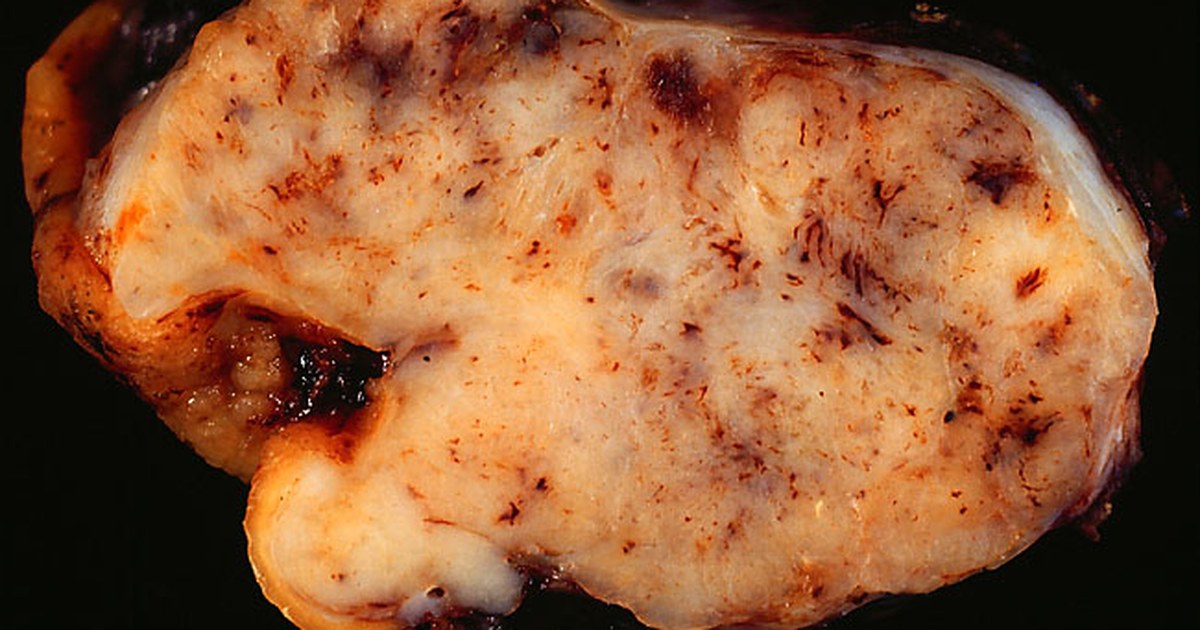
Table of contents
- Why this is a reasoning scenario
- What imatinib does in GIST
- The first clue: the mutation before starting
- The second clue: the location and the surgery the tumor calls for
- What the prospective studies show
- How long to treat and when to operate
- Risks and reasoning errors
- How NEXO helps train this reasoning
- Frequently asked questions
- Final checklist
- References
A 63-year-old man arrives at the emergency department with dark stools and a hemoglobin of 8.1 g/dL. Endoscopy shows a submucosal lesion of about 11 cm on the lesser curvature, near the cardia, with an ulcer in the center. CT confirms a solid mass growing outward from the stomach and abutting the left lobe of the liver, with no metastases. Biopsy by endoscopic ultrasound shows a gastrointestinal stromal tumor, GIST, positive for KIT. The surgeon on call says the only way to remove the tumor with a margin is a total gastrectomy with resection of part of the liver. The scene is fictional and was written for teaching.
This text uses the case as a clinical reasoning scenario for students and health professionals. The central question is who benefits from imatinib before surgery, the neoadjuvant treatment, and how to decide when to operate. The answer depends on three clues: the size and location of the tumor, the type of surgery it requires today and the mutation that drives it. If you play the case of the day on NEXO, you will recognize the logic: a new clue changes the weight of the others.
Key points
- Imatinib before surgery serves to shrink the tumor and allow a smaller or safer operation.
- KIT and PDGFRA mutation analysis should come before starting, because some mutations do not respond.
- Tumors with a mutation in KIT exon 11 respond better than the others.
- The PDGFRA D842V mutation is resistant to imatinib.
- The tumor should be reassessed with imaging so that progression is not missed.
- Neoadjuvant imatinib is not a label indication: the label approves use in metastatic or unresectable disease and in the adjuvant setting.
Why this is a reasoning scenario
GIST is the most common mesenchymal tumor of the digestive tract, and surgery with a free margin is the treatment that can cure localized disease. The problem appears when the tumor is large or in a difficult place, such as the esophagogastric junction, the duodenum or the rectum. In these cases initial surgery may require a total gastrectomy, a duodenopancreatectomy or a rectal amputation, with lifelong loss of function.
What the scene teaches
The scene shows a patient in whom the surgery possible today is large and mutilating. The reasoning the scene calls for is to ask whether a treatment before the operation can turn this surgery into a smaller resection. For that it is necessary to know whether the tumor should respond, how long to treat and how to monitor the response.
What is not at stake
The text does not discuss the treatment of metastatic GIST or the duration of adjuvant imatinib, which have their own posts in the oncology series. It also does not address small tumors, in which simple surgery solves the problem. The focus is the large localized tumor, in which the order of treatments changes the operation.
What imatinib does in GIST
Most GISTs are driven by an activating mutation in the KIT receptor or, less often, in the PDGFRA receptor. These mutations keep the kinase switched on all the time, and the tumor grows because of that. Imatinib is a kinase inhibitor that occupies the ATP binding site and switches off the signal. That is why the response depends on the mutation: the drug works well when the mutation leaves the kinase in a form it can bind to, and works poorly when it does not.


A response you can see in the specimen
Imatinib rarely makes GIST disappear on imaging. What it does, in sensitive tumors, is reduce the size, decrease vascularization and create areas of necrosis and degeneration. This is often enough to move the tumor away from neighboring structures and allow a free margin with smaller surgery. In the Karolinska series, with 84 patients treated before surgery over 20 years, the mean size fell from 10.5 to 7.6 cm (Renberg et al., 2022).
Why the dose matters
The FDA-approved label recommends 400 mg per day for adults with metastatic or unresectable GIST and for adjuvant treatment after complete resection, with an increase to 800 mg per day, given as 400 mg twice a day, when there is progression on the lower dose and no severe reaction (Gleevec label, FDA). The label also advises taking the drug with a meal and a large glass of water. Use before surgery does not appear among the label's indications: it comes from phase II studies and from series at referral centers.
The first clue: the mutation before starting
KIT and PDGFRA mutation analysis is the step that changes the decision the most. It tells you whether it is worth waiting for the drug or whether it is better to operate right away. A 2026 review on precision medicine in GIST sums up the rule: mutations in KIT exon 11 usually predict sensitivity to the standard dose, tumors with an exon 9 mutation may benefit from a higher dose, and the PDGFRA D842V mutation confers primary resistance to imatinib but sensitivity to avapritinib (Ho and colleagues, 2026).
The response numbers by mutation
In a Dutch retrospective study of patients treated with imatinib before surgery, tumors with a KIT exon 11 mutation had a partial response rate of 60.5 percent, versus 33.3 percent in the others (Mohammadi and colleagues, 2025). The authors suggest that, in tumors with other mutations or with no mutation in KIT and PDGFRA, the move to surgery should come earlier if the response is insufficient.
When the test does not change management in practice
Knowing that the test matters does not guarantee that it is used. A Dutch national study showed that mutation analysis was performed in 96 percent of high-risk or metastatic patients treated at referral centers, versus 75 percent at other centers (Steeghs and colleagues, 2021). Among those treated with imatinib, 2 percent had the resistant PDGFRA D842V mutation and 7 percent had a KIT exon 9 mutation and started on the standard dose instead of the high dose.
- KIT exon 11: more sensitive profile, a good candidate for treatment before surgery.
- KIT exon 9: usually calls for a higher dose, according to the precision review.
- PDGFRA D842V: resistant to imatinib; operate or discuss another inhibitor.
- No mutation in KIT and PDGFRA: look for SDH deficiency and other alterations.
- Result pending: discuss as a team whether the risk of waiting for the report is acceptable.
GIST without a mutation in KIT and PDGFRA
GIST without a mutation in these two genes form a separate group. The 2026 review recommends routine SDHB immunohistochemistry in these tumors, followed by sequencing or methylation testing when appropriate, because tumors with SDH deficiency, those linked to NF1 and those with a BRAF or NTRK alteration have different biology and treatment (Ho and colleagues, 2026). These tumors respond poorly to imatinib, and waiting for it may only delay surgery.
The second clue: the location and the surgery the tumor calls for
Size alone is not enough to indicate treatment before surgery. What matters is the operation the tumor requires today. In the Karolinska series, the main indications for neoadjuvant imatinib were tumor size or anatomical location, and no patient with a stomach tumor needed gastrectomy (Renberg and colleagues, 2022). R0 resection was achieved in 94 percent of cases.
Stomach
In the stomach, the goal is to replace a total or subtotal gastrectomy with a wedge or local resection. In a Chinese series of 41 patients with locally advanced gastric GIST, the mean size fell from 12.7 to 8.3 cm after a median of 7 months of imatinib, and the group with local gastrectomy had less bleeding, a shorter hospital stay and fewer complications than the group with subtotal or total gastrectomy (Sun and colleagues, 2024). Three-year recurrence-free survival was 82.9 percent in that series.
Rectum
In the rectum, treatment before surgery can be the difference between preserving the sphincter and performing an amputation. In a two-center study of 134 patients, 83 with gastric GIST and 51 with rectal GIST treated with imatinib before surgery, the percentage reduction in size was similar in both groups, close to 30 percent, and five-year overall survival was higher in the rectal group (Chen and colleagues, 2025). The rectal tumors were smaller at the start, which helps explain part of the difference.
Duodenum and esophagogastric junction
In duodenal tumors, the initial surgery may be a duodenopancreatectomy. In esophagogastric junction tumors, it may be an esophagogastrectomy. In the Karolinska series, three patients with small bowel tumor underwent duodenopancreatectomy and four with tumor near the junction underwent gastrectomy, even after treatment, which shows that not every tumor shrinks enough (Renberg and colleagues, 2022).
What the prospective studies show
The most cited prospective study is RTOG 0132, phase II. It included patients with primary GIST of 5 cm or more (group A) and patients with operable metastatic or recurrent disease (group B), treated with imatinib 600 mg per day for about two months before surgery and for two years afterward (Eisenberg and colleagues, 2009). The 600 mg dose in the study differs from the 400 mg dose in the package insert.
Initial results
In the initial results, the RECIST response in group A was partial in 7 percent and stable in 83 percent, and surgical complications and drug toxicity were minimal (Eisenberg and colleagues, 2009). The authors concluded that the strategy is feasible and requires multidisciplinary consultations. The RECIST response underestimates the effect of imatinib on GIST, because the tumor can change in density and vascularization without changing much in size.
Long follow-up
At a median follow-up of 5.1 years, five-year progression-free survival was 57 percent in group A and 30 percent in group B, and overall survival was 77 and 68 percent (Wang and colleagues, 2012). In group A, 7 of 11 progressions happened more than two years after enrollment, and 6 of these 7 patients had stopped imatinib before progressing. The finding suggests that two years of treatment after surgery may be too little for high-risk tumors.


Table: who tends to benefit
The table summarizes the profiles discussed. It does not replace the team discussion of the case and local guidelines.
| Profile | Tends to benefit? | Why | Source |
|---|---|---|---|
| Large gastric GIST, KIT exon 11 | Yes | Good response and chance of local surgery | Mohammadi 2025; Sun 2024 |
| Rectal GIST near the sphincter | Yes, if sensitive | Chance of preserving the sphincter | Chen 2025 |
| Duodenal or junction GIST | Assess | May avoid major surgery, but not all shrink enough | Renberg 2022 |
| KIT exon 9 | Assess the dose | Tends to require a higher dose | Ho 2026 |
| PDGFRA D842V | Not with imatinib | Primary resistance | Ho 2026 |
| No mutation in KIT and PDGFRA | Generally not | Poor response; test for SDH | Ho 2026 |
| Small resectable tumor with simple surgery | No | The surgery is already small | Renberg 2022 |
How long to treat and when to operate
There is no single duration. The general idea is to treat until the maximum useful response, that is, until the point at which the possible surgery has become smaller, and to operate before the tumor develops resistance. Treating too long has a cost: the tumor may stop responding and start growing due to a secondary mutation.
What the data suggest
In the series of 41 patients with gastric GIST, the analysis pointed to 8 months as the cutoff, and recurrence-free survival was better in the group treated for up to 8 months, which also had more laparoscopic surgeries (Sun and colleagues, 2024). In the study of 134 patients, the median duration was 9 months (Chen and colleagues, 2025). These are retrospective studies, and the duration should be decided case by case.
How to monitor the response
Imaging reassessment in the first weeks serves to detect the tumor that does not respond and to operate promptly. The team should agree before starting on which exam will be used, when it will be done and what defines lack of response. Surgery also needs to be scheduled in advance, so that the patient does not stay in indefinite treatment.
- Confirm the diagnosis of GIST and the mutation before starting.
- Record the surgery that would be done today, for later comparison.
- Agree on the imaging exam and the date of the first reassessment.
- Define what lack of response is and the plan in that case.
- Reassess the possible surgery at each exam, not only the size.
- Operate at the point of maximum useful response, without waiting indefinitely.
Who should be part of the decision
The decision to treat before surgery belongs to the team. The surgeon says which operation is possible today and which would be possible with a smaller tumor. The clinical oncologist assesses the mutation, the dose and tolerance. The radiologist defines how to measure the response, and the pathologist confirms the diagnosis and reads the response in the specimen. RTOG 0132 itself concluded that the strategy requires multidisciplinary consultations (Eisenberg et al., 2009). When the service has no experience with sarcomas, referral to a reference center is part of the plan, and the Dutch review showed that mutation analysis was performed more often at reference centers (Steeghs et al., 2021).
The conversation with the patient
The patient needs to understand why surgery will wait. The explanation includes the goal, which is a smaller operation, the expected duration, the side effects of the drug and what happens if the tumor does not respond. Patients with bleeding like the one in the scene also need a plan for anemia and for new bleeding during treatment, because gastrointestinal hemorrhage may force surgery earlier than planned.
Risks and reasoning errors
Treatment before surgery has risks. The most feared is progression during treatment in a tumor that was not sensitive, which can remove the chance of surgery. Other risks are tumor bleeding, rupture and the side effects of the drug, such as edema, nausea, diarrhea and a drop in blood cells.
Anchoring on the first impression
A common error is to anchor on the idea that every GIST responds to imatinib and to start without the mutation. The scene shows this risk: if the patient's tumor has the D842V mutation, months of imatinib only delay surgery, and the tumor may grow in that time. In the Dutch study with patients treated before surgery, 10 had the PDGFRA D842V mutation, and in all of them imatinib was started before the mutation result was available (Mohammadi et al., 2025). The post on how to choose tests and approaches shows how the value of a test depends on the decision it can change.
New inhibitors in place of imatinib
For the D842V mutation, avapritinib has activity, but use before surgery is still exploratory. In a series of eight patients with localized gastric GIST with a PDGFRA mutation treated with avapritinib 300 mg per day before surgery, all five who underwent surgery had a complete or near-complete pathological response, but grade 3 or higher adverse events occurred in half of the patients, including a fatal intracranial hemorrhage (Ranjbarian et al., 2026). The authors conclude that feasibility at the standard dose is limited.
Forgetting treatment after surgery
Neoadjuvant does not replace adjuvant. In RTOG 0132, most late progressions occurred in those who had stopped imatinib (Wang et al., 2012). The label recommends three years of adjuvant imatinib in the study population that defined this indication (Gleevec label, FDA). The risk of recurrence is calculated in the specimen, and the timing of adjuvant treatment should be agreed by the team.
How NEXO helps train this reasoning
In NEXO, the case of the day is fictional, with a real clinical presentation and up to six progressive clues, and you propose the diagnosis by searching for the ICD-10 code. A large GIST is a good exercise because the mutation, the site and the possible surgery change the decision independently. The post on differential diagnosis with clues shows how to weigh each finding, and the post on diagnostic uncertainty helps decide when a result has not yet arrived.
Three exercises with cases
Change the mutation. Say what changes if the report came with PDGFRA D842V.
Change the site. Say what changes if the tumor were 4 cm on the greater curvature, away from the cardia.
Change the response. Say what to do if the reassessment imaging showed growth of a nodule inside the tumor after four months.
The post on interprofessional clinical reasoning helps you think through team decisions, and the post on case-based learning in clinical practice explains why training with cases makes knowledge stick. The limits on using the game are described on the NEXO Economy page. If you research the teaching of clinical reasoning, the page for Researchers explains how to get in touch. Professionals who write or review cases find information on the Curator and Creators pages, and institutions can learn about the proposal on the partnerships page.
Frequently asked questions
Is preoperative imatinib in the label?
No. The FDA-approved label covers use in metastatic or unresectable disease and in the adjuvant setting, at 400 mg per day (Gleevec label, FDA). Preoperative use comes from phase II studies and case series.
Do I need the mutation result before starting?
Whenever possible, yes. Mutations such as PDGFRA D842V are resistant, and tumors without a mutation in KIT or PDGFRA respond poorly (Ho et al., 2026).
How long does treatment last before surgery?
It depends on the response. Retrospective series show medians of 7 to 9 months, and one of them suggested better results with up to 8 months (Sun et al., 2024).
If the tumor shrinks little, did the treatment fail?
Not necessarily. GIST can respond with necrosis and less vascularization without much reduction in size. The useful question is whether the surgery that is possible has become smaller.
Does imatinib continue after surgery?
In most high-risk tumors, yes. In RTOG 0132, late progressions were concentrated among those who stopped the drug (Wang et al., 2012).
Final checklist
- I confirmed the GIST diagnosis with immunohistochemistry.
- I requested KIT and PDGFRA mutation analysis before starting.
- I recorded the surgery that would be done today.
- I brought the case to the multidisciplinary team, with a surgeon experienced in sarcoma.
- I agreed on the follow-up imaging and the criterion for lack of response.
- I scheduled surgery at the point of maximum useful response.
- I planned the adjuvant treatment after surgery.
Want to practice reasoning with progressive clues? Play the case of the day.
References
- Chen JH, Cai ZM, Yang ZR, et al. Comparative efficacy of neoadjuvant imatinib therapy in gastric versus rectal gastrointestinal stromal tumors: a two-center retrospective cohort study. BMC Gastroenterol. 2025. PMID 41331903.
- Eisenberg BL, Harris J, Blanke CD, et al. Phase II trial of neoadjuvant/adjuvant imatinib mesylate (IM) for advanced primary and metastatic/recurrent operable gastrointestinal stromal tumor (GIST): early results of RTOG 0132/ACRIN 6665. J Surg Oncol. 2009. PMID 18942073.
- Ho SYA, Tok AHS, Han HQMK, et al. Why precision oncology works: lessons from gastrointestinal stromal tumours. Explor Target Antitumor Ther. 2026. PMID 42416402.
- Mohammadi M, Roets E, Bleckman RF, et al. Impact of Mutation Profile on Outcomes of Neoadjuvant Therapy in GIST. Cancers (Basel). 2025. PMID 40002229.
- Novartis Pharmaceuticals Corporation. Gleevec (imatinib mesylate), FDA-approved label, NDA 021588, version dated 07/13/2026. Official source.
- Ranjbarian T, Antkowiak M, Sarno S, et al. Preoperative Avapritinib for Localized PDGFRA-Mutant GIST: Marked Pathologic Response, but Limited Feasibility at Standard Dosing. Cancer Med. 2026. PMID 42528110.
- Renberg S, Zhang Y, Karlsson F, et al. The role of neoadjuvant imatinib in gastrointestinal stromal tumor patients: 20 years of experience from a tertial referral center. Int J Cancer. 2022. PMID 35478315.
- Steeghs EMP, Gelderblom H, Ho VKY, et al. Nationwide evaluation of mutation-tailored treatment of gastrointestinal stromal tumors in daily clinical practice. Gastric Cancer. 2021. PMID 33909171.
- Sun X, Lin X, Zhang Q, et al. Safety, effectiveness and the optimal duration of preoperative imatinib in locally advanced gastric gastrointestinal stromal tumors: A retrospective cohort study. Cancer Med. 2024. PMID 39300931.
- Wang D, Zhang Q, Blanke CD, et al. Phase II trial of neoadjuvant/adjuvant imatinib mesylate for advanced primary and metastatic/recurrent operable gastrointestinal stromal tumors: long-term follow-up results of Radiation Therapy Oncology Group 0132. Ann Surg Oncol. 2012. PMID 22203182.