Diagnosis with few resources: the bedside exam
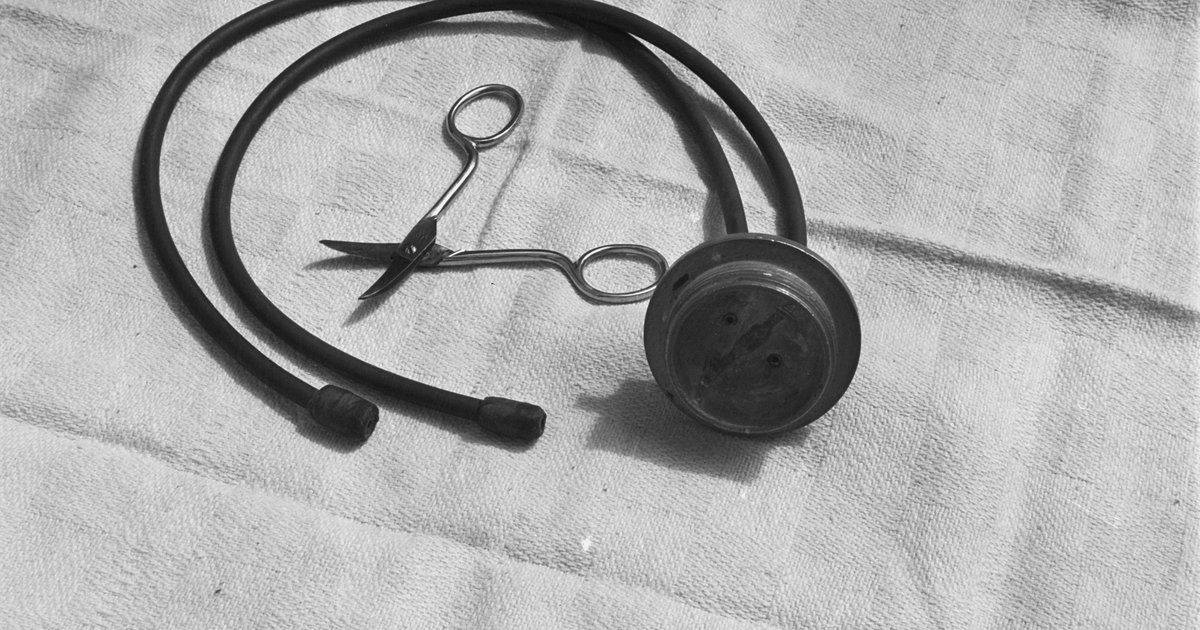
Table of contents
- What changes when tests are lacking
- The clinical history as the first instrument
- The physical examination organized by protocol
- Rapid tests and oximeter: malaria and hypoxemia
- Point-of-care ultrasound and its limits
- Step-by-step reasoning in the case
- How NEXO helps train this reasoning
- Frequently asked questions
- Take-home messages
- References
A 3-year-old girl arrives at a rural health post in the late afternoon. Her mother says the fever started two days ago and that today her daughter is breathing fast and barely breastfeeding. There is no X-ray, no open laboratory, and the electricity cuts out from time to time. In the room there is a stethoscope, a watch, a box of rapid malaria tests, a pulse oximeter and, for a few months now, a portable ultrasound device. The scene is fictional and was written for teaching.
This text is about diagnosis with few resources. The aim is to look at what studies show about the examination of the sick child, the rapid test, the oximeter and bedside ultrasound in low- and middle-income countries, and at what each tool adds to the reasoning. If you play the case of the day on NEXO, you will recognize the challenge: the clues arrive little by little and the reasoning has to move forward with what is available.
Key points
- Integrated Management of Childhood Illness organizes the examination of the sick child, but in a national study it was applied in about 30 out of every 100 items.
- Respiratory rate, central to the diagnosis of pneumonia, was counted in few consultations.
- Malaria has a clinical picture indistinguishable from other fevers, and the rapid test gives a result in under 30 minutes.
- Adding the oximeter to IMCI increased the diagnosis of severe pneumonia in rural health posts.
- Bedside ultrasound was performed by midwives, nurses, technicians and community health workers after short training.
- Workload, lack of tests, unstable power and poor internet appear as barriers in the studies.
What changes when tests are lacking
In a well-equipped hospital, a diagnostic doubt usually turns into a test request. At a rural health post, the doubt has to be resolved with what is in the room or with a decision to transfer. This difference changes the order of the reasoning. The pre-test probability stops being an exam concept and becomes the main tool, because almost nothing will be confirmed afterwards.
A national study in Malawi describes this situation well. The authors observed that, when the recommended assessment is not carried out in full, the account of the child's caregiver and the expected prevalence of the disease end up forming much of the basis of the diagnosis (Uwemedimo et al., 2018). In other words, the base rate enters the reasoning whether the professional wants it to or not. The question is whether it enters consciously.
Transfer is also a diagnostic decision
Sending the patient to a higher level of care answers a question the health post cannot answer on its own. IMCI was designed by the World Health Organization and Unicef precisely to guide this decision, with step-by-step algorithms: assessment, classification, treatment and counseling (Uwemedimo et al., 2018). The severity classification is the point at which the algorithm separates those who can be treated on site from those who need referral.
In the trial carried out in southern Ethiopia, most children with severe pneumonia were referred to hospital, 116 of 148 after adjusting for the cluster effect, and there was no difference in the number of referrals between health posts with and without an oximeter (Tesfaye et al., 2020). Finding more severely ill children and managing to get them to hospital are different steps, and each depends on different things.
What the scene teaches
The girl has fever, fast breathing and difficulty breastfeeding. The first hypothesis that usually comes to mind in an endemic area is malaria. But infection by the parasite produces a clinical picture indistinguishable from that caused by other agents that cause fever, and so rapid and accurate diagnosis is a central part of management (Cunningham et al., 2019). The scene is also a reminder about reasoning: finding an explanation for the fever does not authorize stopping the examination of breathing.
The clinical history as the first instrument
In the girl's case, a few questions change the classification a lot. IMCI considers the general danger signs to be inability to drink or breastfeed, vomiting everything ingested, convulsions and lethargy or unconsciousness (Tesfaye et al., 2020). Two of these signs can be obtained by talking with the mother before any examination. The girl who barely breastfeeds is already on that list.
The text on signs, symptoms and history shows how to listen to the account without losing what the patient brings that matters most. In places with few resources, the history also needs to include context, because it changes the decision to discharge or refer.
Questions that change management
The questions below follow the general danger signs and symptoms used by IMCI to classify the child (Tesfaye et al., 2020; Uwemedimo et al., 2018).
In practice, this means asking whether the child can drink or breastfeed, whether the child vomits everything ingested, whether there was a convulsion, whether the child is lethargic or hard to wake, whether there is cough or difficulty breathing and how long ago the fever started.
Context also enters the reasoning
Knowing that the family lives far away weighs on the decision to discharge a child with uncertainty. Knowing that the clinic ran out of rapid tests helps explain earlier decisions. In Ghana, health workers reported that when tests were unavailable they went back to the syndromic approach, treating fever as malaria without confirmation (Febir et al., 2015). Asking whether the child was tested before, and with what result, is part of the history.
The physical examination organized by protocol
IMCI has been used for more than two decades in over 100 countries as the main strategy to improve the management of childhood pneumonia in places with few resources (Uwemedimo et al., 2018). The assessment elements include respiratory rate when there is cough, screening for anemia, temperature and the child's level of response. To recognize pneumonia, the algorithm uses clinical signs such as fast breathing, inability to drink or breastfeed and head nodding (Tesfaye et al., 2020).
The problem is that the protocol is rarely followed in full. In the national study in Malawi, health workers completed on average about 30 out of every 100 IMCI items per visit. Of the 573 children who met the pneumonia criteria, 118 received that diagnosis, which is about 1 in 5 (Uwemedimo et al., 2018). The same study linked better sensitivity to the type of health worker and to greater adherence to IMCI.
Why the protocol stops halfway
In Ghana, health workers saw IMCI as important but impossible to apply in full because of the workload. They reported that the national health insurance increased demand for services and, with it, the volume of visits (Febir et al., 2015). The same health workers cited a lack of rapid tests for long periods and distrust of test quality when the result was negative in a child with a picture that looked like malaria.
Counting breaths
In Malawi, respiratory rate was assessed in only 16 out of every 100 visits (Uwemedimo et al., 2018). The authors of the Ethiopian study add that health workers often confuse pneumonia with severe pneumonia because of difficulty interpreting the danger signs (Tesfaye et al., 2020). Both findings help explain why an objective measure, such as oxygen saturation, was tested as a complement.


Rapid tests and oximeter: malaria and hypoxemia
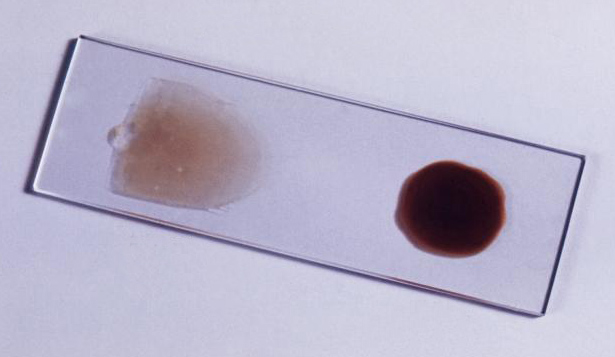
For a long time, microscopy was the basis of parasitological diagnosis of malaria, but most diagnoses relied on imprecise clinical assessment. Rapid tests gained ground because they offer accurate diagnosis and get around the obstacles of microscopy in peripheral services: equipment cost, unstable reagents, the need for electricity and for qualified staff (Cunningham et al., 2019).
In 2008, the World Health Organization invited certified manufacturers to the first round of the product testing program, carried out at the CDC, which assessed detection accuracy, reliability and heat stability. The program ran for ten years and helped guide purchases and policies (Cunningham and colleagues, 2019). The text about fever in the traveler shows the same reasoning from the side of those returning from an endemic area.

What limits the rapid test in practice
The professionals interviewed in Ghana pointed to concrete problems (Febir and colleagues, 2015).
They reported a lack of tests for long periods and irregular supply through the supply chain, with a return to the syndromic approach when stock ran out. They also said they distrusted negative results when the picture looked like malaria, that they worried about test quality and false negatives, and that they noticed insurance would not reimburse the antimalarial without a positive test.
Fever, malaria and the habit of treating without testing
Lack of adherence to negative parasitological tests has been described in several places, including a hospital in the Kintampo district of Ghana, and became the focus of studies on test-based malaria diagnosis (Febir and colleagues, 2015). For the reasoning, the point is simple: a negative test that does not change management stops serving as a test. The text about antimicrobial resistance and the logic of AWaRe discusses a similar dilemma with antibiotics.


Pulse oximeter: measuring what the eye does not see
The clinical signs used by IMCI, such as fast breathing, inability to drink or breastfeed and head nodding, do not identify the child with hypoxemia and severe pneumonia with the same precision as the pulse oximeter (Tesfaye and colleagues, 2020). Before the Ethiopian study, none of the centers and health posts in the area had an oximeter.
In the cluster-randomized trial, half of the centers used IMCI with a pediatric finger oximeter and the other half used IMCI alone. Adding the oximeter increased the diagnosis of severe pneumonia, with an adjusted odds ratio of 5.4 (Tesfaye and colleagues, 2020). The device treats no one, but it shows who needs another level of care.
In the study, saturation was measured with the child calm, using a pediatric finger oximeter, recording the value only when the pulse curve was regular and of good amplitude and requiring stable saturation for 1 minute before noting it down (Tesfaye and colleagues, 2020).
Point-of-care ultrasound and its limits
A systematic review of point-of-care ultrasound in primary care in low- and middle-income countries found use in obstetrics, gynecology, emergency care, infectious diseases and cardiac, abdominal and pulmonary conditions. Ten of the publications dealt with obstetrics (Abrokwa and colleagues, 2022). In places without CT, ultrasound may be the only form of imaging for extrapulmonary tuberculosis, and the FASH protocol looks for pericardial effusion, pleural effusion, ascites and abdominal lymph nodes (Tran and colleagues, 2021).
There are also specific training programs, such as PURLS, aimed at the use of ultrasound in low-resource settings and in tropical infections (Burleson and colleagues, 2020).
What the studies show
| Use | Setting | Main finding | Source |
|---|---|---|---|
| Childhood pneumonia | Emergency department in Nepal, 366 children | Lung ultrasound by clinicians performed well against radiography | Amatya 2023 |
| Cause of shock | Hospital in India, 130 patients | RUSH protocol fast and with good agreement, worse in distributive shock | Rahulkumar 2019 |
| General emergency | Addis Ababa, 118 patients | Management changed in 53 patients after the exam | Stachura 2017 |
| Heart failure | Rwanda and rural settings | Ultrasound helped where physical examination fails for non-severe mitral disease | Klassen 2022 |
| Hepatitis B | Malawi, 111 patients | PUSH protocol to support starting antiviral treatment | Heller 2024 |
In Nepal, lung ultrasound performed by clinicians in children with suspected pneumonia showed good performance when compared with chest radiography (Amatya and colleagues, 2023). The comparison standard was radiographic pneumonia, defined by a panel of radiologists using the WHO methodology for radiographs in epidemiological studies. The clinicians performed the ultrasound before the radiograph, without seeing the images or the report. The authors themselves note the main limitation: radiography, used as the reference, has limited sensitivity for pneumonia. Even so, it is the standard used in practice to diagnose pneumonia in children, and many remote services do not have X-ray.
In a low-resource emergency department in India, the RUSH protocol helped separate types of shock, with good agreement and lower performance in distributive shock (Rahulkumar and colleagues, 2019). In Addis Ababa, a fixed list of ultrasound exams in the emergency department led to a change in management in 53 of the 118 patients evaluated, with 338 exams performed in total (Stachura and colleagues, 2017). In heart failure, ultrasound performed without a cardiologist helped in rural places where physical examination is not very sensitive for non-severe mitral disease (Klassen and colleagues, 2022). In Malawi, the PUSH protocol used ultrasound to support the decision to start antiviral treatment in chronic hepatitis B (Heller and colleagues, 2024).
Who performs the exam
The review of 36 publications found point-of-care ultrasound performed by midwives, nurses, clinical officers, physicians, technicians and community health workers, usually after short training (Abrokwa and colleagues, 2022). The training included theoretical classes, hands-on practice and sessions of supervised and unsupervised exams. In one of the studies, in Guatemala, nurses from rural communities learned to use a probe connected to a laptop in one week of classes and supervised practice with pregnant women.
Barriers that go beyond technique
The same review lists the barriers that appear most often (Abrokwa and colleagues, 2022), and the study from Ghana adds those of daily life at the health post (Febir and colleagues, 2015).
The barriers cited include the high cost of in-person training, poor internet that hinders remote support, unstable electricity, the lack of local professionals to lead and maintain the programs and the high turnover of the support team. At the health post, there are also the workload that prevents a complete exam and the lack of rapid tests for long periods.
These barriers help in reading the results with care. A tool that works well in a study, with training and supervision, may perform less well in routine care if the program has no one to sustain it. The text on clinical decision-making discusses how to choose exams thinking about what will change after the result, and the text on overdiagnosis recalls the opposite risk, that of looking too much.
Step-by-step reasoning in the case
Returning to the 3-year-old girl, a teaching sequence, assembled from the IMCI elements and the Ethiopian study cited above, could be this:
- General danger signs. Ask whether she drinks or breastfeeds, whether she vomits everything, whether she had a convulsion and whether she is lethargic. She barely breastfeeds.
- Breathing. Count the respiratory rate and look for the signs the algorithm uses for pneumonia.
- Oxygen saturation. Measure with the child calm and record the value only with a stable curve for 1 minute.
- Fever. Perform the rapid malaria test and record the result.
- Ultrasound, if there is someone trained. Use it for the specific question that motivated the exam.
- Classification. Follow the IMCI severity classification and the referral it indicates.
- Record. Note what was seen, the result of each test and the time.
Step 4 deserves attention. A positive test answers the question about malaria, but the question about breathing remains open until steps 2 and 3 are done. The text on diagnostic uncertainty deals with that moment when a partial answer may seem sufficient.
What to pass on to those who receive
When the child is transferred, the referral note carries the reasoning from one service to another. The text on how to organize reasoning in the medical record shows a format that also works here. Writing down the doubt, and not just the likely diagnosis, helps the colleague continue from where you stopped.
A good note records the general danger signs present and absent, the respiratory rate, the saturation and the time of measurement, the result of the rapid test and of the ultrasound, if done, the initial treatment with time and the main hypothesis along with what has not yet been ruled out.
Where reasoning usually fails
The cited studies point to some stumbles that repeat:
- Treating fever as malaria without testing, especially when tests are lacking (Febir et al., 2015).
- Disregarding a negative test because the picture looked like malaria (Febir et al., 2015).
- Failing to count the respiratory rate (Uwemedimo et al., 2018).
- Confusing pneumonia with severe pneumonia because of difficulty with the danger signs (Tesfaye et al., 2020).
- Applying only part of the protocol items (Uwemedimo et al., 2018).
Learning with what you have
The bedside exam with few resources leaves reasoning in plain sight, because there is little room to hide the doubt. The oximeter, the rapid test and the portable ultrasound expand what the physical exam can show, and the studies above indicate what each one answered in real scenarios and with which limits. The text on telemedicine and reasoning without an in-person exam brings a similar discussion about limits and compensations.
For those who study, training with differential diagnosis and clues helps to remember that each new piece of information should change the list of hypotheses. And knowing how to find the right ICD-10 code helps to record the diagnosis in a way that others can use the data.
How NEXO helps train this reasoning
In NEXO, the case of the day is fictional, with a real clinical presentation and up to six progressive clues, and you propose the diagnosis by searching for the ICD-10 code.
The limits of using the game are described on the NEXO Economy page. If you research the teaching of clinical reasoning, the page for Researcher explains how to get in touch. Professionals who write or review cases find information in Curator and in Creators, and institutions can learn about the proposal on the partnerships page.
Frequently asked questions
Is the physical exam still useful when tests are lacking?
IMCI uses clinical signs, such as fast breathing, inability to drink or breastfeed and head nodding, to recognize pneumonia (Tesfaye et al., 2020).
Does the malaria rapid test give a result in a few minutes?
The result comes out in less than 30 minutes and gets around the obstacles of microscopy in peripheral services (Cunningham et al., 2019).
Does the oximeter help find severe pneumonia?
In rural posts in Ethiopia, adding the oximeter to IMCI increased the diagnosis of severe pneumonia (Tesfaye et al., 2020).
Can non-physician professionals perform bedside ultrasound?
Midwives, nurses, technicians and community health workers performed the exam after short training in several countries (Abrokwa et al., 2022).
Is lung ultrasound useful for pneumonia in children?
Performed by clinicians in an emergency department in Nepal, it performed well against radiography (Amatya et al., 2023).
Take-home messages
- When the assessment is incomplete, the caregiver's report and the expected prevalence start to guide the diagnosis.
- The IMCI general danger signs can be obtained already in the conversation with the mother.
- The respiratory rate was counted in few consultations in Malawi.
- Malaria has a clinical picture indistinguishable from other fevers, and the rapid test gives a result in less than 30 minutes.
- Lack of tests and distrust of the negative result lead to treating without confirmation.
- The oximeter added to IMCI increased the diagnosis of severe pneumonia.
- Non-physician professionals performed bedside ultrasound after short training.
- Power, internet, training and turnover limit ultrasound programs.
Want to practice reasoning with progressive clues? Play the case of the day.
References
- Abrokwa SK, Ruby LC, Heuvelings CC, et al. Task shifting for point of care ultrasound in primary healthcare in low- and middle-income countries-a systematic review. EClinicalMedicine. 2022. PMID 35284806.
- Amatya Y, Russell FM, Rijal S, et al. Bedside lung ultrasound for the diagnosis of pneumonia in children presenting to an emergency department in a resource-limited setting. Int J Emerg Med. 2023. PMID 36624366.
- Burleson SL, Pigott DC, Gullett JP, et al. Point-of-care ultrasound in resource-limited settings: the PURLS fellowship. Ultrasound J. 2020. PMID 32193724.
- Cunningham J, Jones S, Gatton ML, et al. A review of the WHO malaria rapid diagnostic test product testing programme (2008-2018): performance, procurement and policy. Malar J. 2019. PMID 31791354.
- Febir LG, Baiden FE, Agula J, et al. Implementation of the integrated management of childhood illness with parasitological diagnosis of malaria in rural Ghana: health worker perceptions. Malar J. 2015. PMID 25899509.
- Heller T, Phiri V, Kumwenda T, et al. Point-of-care ultrasound to inform antiviral treatment initiation in chronic hepatitis B virus infection in low-resource settings - the PUSH protocol. Ultrasound J. 2024. PMID 38436778.
- Klassen SL, Dusingizimana W, Ngoga G, et al. Using Point-of-Care Ultrasound in Heart Failure Diagnosis and Management in Rural and Resource-Limited Settings. CASE (Phila). 2022. PMID 36036046.
- Rahulkumar HH, Bhavin PR, Shreyas KP, et al. Utility of Point-of-Care Ultrasound in Differentiating Causes of Shock in Resource-Limited Setup. J Emerg Trauma Shock. 2019. PMID 31057278.
- Stachura M, Landes M, Aklilu F, et al. Evaluation of a point-of-care ultrasound scan list in a resource-limited emergency centre in Addis Ababa Ethiopia. Afr J Emerg Med. 2017. PMID 30456122.
- Tesfaye SH, Gebeyehu Y, Loha E, et al. Pulse oximeter with integrated management of childhood illness for diagnosis of severe childhood pneumonia at rural health institutions in Southern Ethiopia: results from a cluster-randomised controlled trial. BMJ Open. 2020. PMID 32565474.
- Tran TT, Hlaing M, Krause M. Point-of-Care Ultrasound: Applications in Low- and Middle-Income Countries. Curr Anesthesiol Rep. 2021. PMID 33424456.
- Uwemedimo OT, Lewis TP, Essien EA, et al. Distribution and determinants of pneumonia diagnosis using Integrated Management of Childhood Illness guidelines: a nationally representative study in Malawi. BMJ Glob Health. 2018. PMID 29662688.