Bleeding control in the field: tourniquet and MARCH
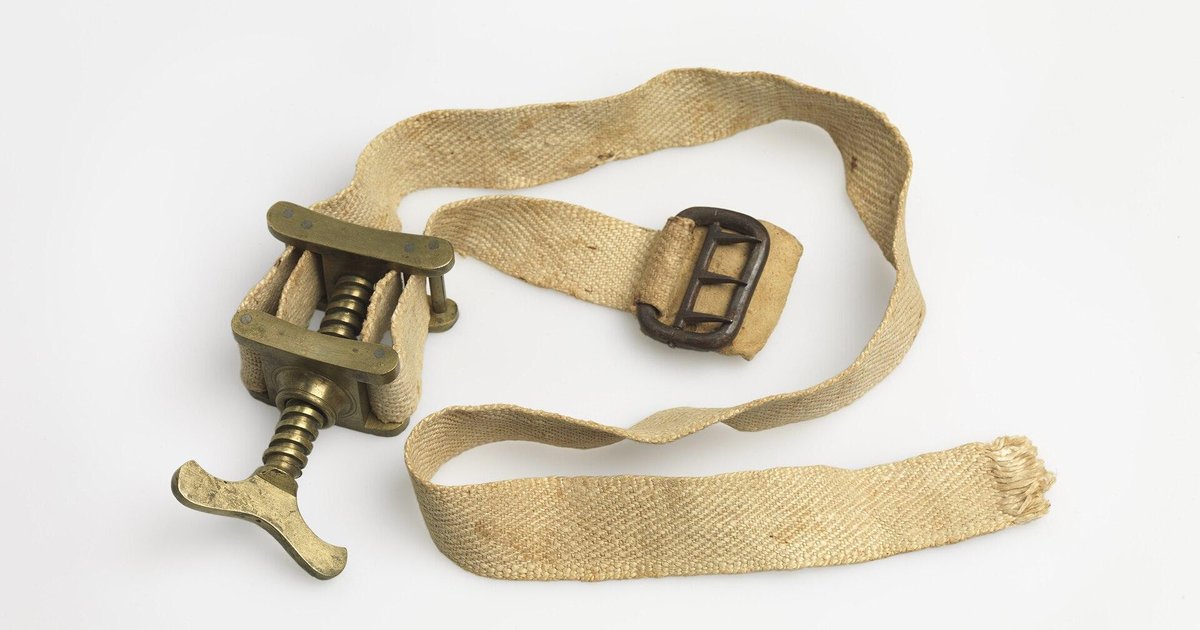
Table of contents
- Why bleeding is a reasoning setting
- What the data show about preventable deaths
- Where the change of order came from
- The tourniquet in studies with severely injured patients
- The tourniquet in civilian trauma
- Tourniquet time
- When the tourniquet does not work
- The reasoning after the tourniquet
- How NEXO helps train this reasoning
- Frequently asked questions
- Final checklist
- References
A doctor driving home pulls onto the shoulder of a road when she sees an accident involving a farm machine. A thirty-five-year-old man is sitting on the ground, pale, with his trousers soaked in blood at the level of the thigh. He is speaking, but he is confused and breathing fast. The ambulance is twenty minutes away, and the doctor's first instinct is to check the airway, as she learned on the trauma course. The scene is fictional and was written for teaching. This text uses that moment as a setting for clinical reasoning: why, in severe limb bleeding, the order of priorities changes, what the MARCH sequence organizes and what studies show about the tourniquet.
NEXO is a daily medical diagnosis game: one clinical case a day, up to six progressive clues, and ICD-10 proximity feedback across five levels.
This text is not a pre-hospital care course and does not replace practical training. Tourniquet application and resuscitation measures follow local protocols and the training of whoever is providing care. The interest here is the reasoning: how the most likely cause of death in the next few minutes defines what to do first. If you play the case of the day on NEXO, you will recognize the logic: the order in which the clues are used changes the result.
Key points
- Hemorrhage is one of the leading causes of death in trauma, and a significant share of those deaths happens before arrival at the hospital.
- The MARCH sequence places control of massive hemorrhage before the airway when the bleeding is life-threatening.
- A tourniquet applied before shock was associated with much higher survival in studies of severely injured limbs.
- Civilian studies found a survival benefit and low complication rates with pre-hospital use of the tourniquet.
- Tourniquet time matters: short periods are comparatively safe, and very long periods are associated with more limb loss.
Why bleeding is a reasoning setting
Severe bleeding looks like an obvious problem, but it creates a conflict between habits. Anyone who learned the sequence that starts with the airway tends to follow it even when the immediate threat is something else. Kauvar and colleagues report that hemorrhage accounts for 30 to 40 in every 100 trauma deaths, and that 33 to 56 in every 100 of those deaths happen before arrival at the hospital (Kauvar and colleagues, 2006).
What the scene teaches
In the opening scene, the man is speaking, which shows that the airway is open at that moment. The pallor, the confusion and the fast breathing suggest significant blood loss. The reasoning begins when the doctor asks what could kill this patient in the next few minutes. The post on clinical decision-making shows how to weigh the benefits and risks of each measure before choosing.
A question that organizes
The question "what kills first?" is a way of prioritizing hypotheses by severity and by time, not only by probability. In arterial bleeding of the thigh, minutes make a difference. The question helps you resist the automatic sequence when the setting calls for a different order.
What the data show about preventable deaths
Eastridge and colleagues analyzed 4596 combat deaths over a decade and found that 87.3 in every 100 occurred before arrival at a medical treatment facility (Eastridge and colleagues, 2012). The authors considered 24.3 in every 100 of those pre-hospital deaths potentially preventable, and 90.9 in every 100 of the potentially preventable ones were associated with hemorrhage (Eastridge and colleagues, 2012).
Where the bleeding happens
The same authors described the site of hemorrhage in the potentially preventable deaths: 67.3 in every 100 in the trunk, 19.2 in every 100 in junctional regions such as the groin and axilla, and 13.5 in every 100 in the limbs (Eastridge and colleagues, 2012). The data point reminds us that the tourniquet solves one part of the problem, the limb part, and that bleeding in the trunk and at the junctions calls for other strategies.
Why these data matter outside combat
The numbers come from a specific context, but the logic holds for civilian trauma. Kauvar and colleagues describe the same concentration of deaths from hemorrhage in the first hours, before definitive treatment (Kauvar and colleagues, 2006). What is done in the first minutes weighs more than almost any other decision.
Where the change of order came from
For decades, trauma teaching followed the sequence that starts with the airway. Butler and colleagues asked, in 1996, whether many of the measures taught in the advanced trauma life support course were appropriate for the combat environment, and proposed a protocol that organizes care in three phases (Butler and colleagues, 1996). That work gave rise to what is called tactical combat casualty care.


The MARCH sequence
Reference texts on prehospital resuscitation describe the replacement of the traditional sequence by one that starts with circulation, and the acronym MARCH as a way to remember the new order (Fulton and Schwartfeger, StatPearls). The letters come from English and stand for massive hemorrhage, airway, respiration, circulation and hypothermia.
The table below summarizes, in a teaching format, each step and the question it suggests. It does not replace training or local protocols.
| Letter | Step | Question that helps |
|---|---|---|
| M | Massive hemorrhage | Is there bleeding that can kill in minutes? |
| A | Airway | Is the patient speaking and breathing without obstruction? |
| R | Respiration | Are there signs of chest injury that compromise ventilation? |
| C | Circulation | Are there signs of shock and other bleeding sites? |
| H | Hypothermia | Is the patient protected from the cold and from the ground? |
The order as a hypothesis
The acronym is not a ritual. It expresses a hypothesis about what kills first in casualties with severe bleeding. In a patient without major bleeding and with an threatened airway, the priority changes. The post on examples of heuristics in clinical reasoning shows how practical rules work well most of the time and fail when the scenario departs from the pattern.
The tourniquet in studies with severely injured patients
The tourniquet was, for a long time, viewed with suspicion for fear of limb loss. Studies from the last two decades changed that view. Kragh and colleagues followed, in a support hospital in a combat zone, 232 patients who received 428 tourniquets on severely injured limbs (Kragh and colleagues, 2008).
Complications
In the 2008 study, four patients had transient nerve palsy at the level of the tourniquet, and no amputation resulted only from tourniquet use (Kragh and colleagues, 2008). The authors found no association between total tourniquet time and the complications studied, and concluded that the risk was low compared with the survival benefit.
Survival and timing of application
In the same population, Kragh and colleagues found survival of 90 in every 100 patients when the tourniquet was applied before shock, versus 10 in every 100 when it was applied after (Kragh and colleagues, 2009). Among those who received a tourniquet before the hospital, 22 of 194 died, and among those who received one only in the emergency department, 9 of 38 died. The five patients who had an indication for a tourniquet and did not receive one died, while survival was 87 in every 100 among those who received one.
What shock signals
The strongest finding in these studies is timing. Shock, defined in that study by a weak or absent radial pulse, marks a phase in which the benefit of the tourniquet fell sharply (Kragh and colleagues, 2009). In the opening scene, pallor, confusion and rapid breathing suggest that the patient may already be near that point, which makes every minute more important.
The tourniquet in civilian trauma
The next question was whether the results repeated outside combat. Inaba and colleagues reviewed 87 civilian patients with tourniquets on limb injuries and found a median use time of 75 minutes (Inaba and colleagues, 2015). In the same study, there were 15 amputations, 14 of them attributed to the injury itself, and the complication rate was low.


Survival across several centers
Teixeira and colleagues studied 1026 patients with peripheral vascular injury at 11 trauma centers. After adjusting for severity and other factors, prehospital tourniquet use was independently associated with survival, with an adjusted odds ratio of 5.86 (Teixeira and colleagues, 2018). The late amputation rate was 1.1 per 100 in both groups, according to the same study (Teixeira and colleagues, 2018).
A prospective study
Schroll and colleagues conducted a prospective multicenter study with 1392 injured limbs. The tourniquet controlled bleeding in 87.7 per 100 limbs, and patients with a prehospital tourniquet arrived in shock less often, 13.0 versus 17.4 per 100 (Schroll and colleagues, 2022). In the same study, limb complications were not significantly higher in the tourniquet group.
An evidence-based guideline
Bulger and colleagues presented, through the Trauma Committee of the American College of Surgeons, a guideline for prehospital control of external hemorrhage, built with a systematic review and the GRADE method (Bulger and colleagues, 2014). The guideline covers the use of tourniquets and hemostatic agents in bleeding from limbs and junctional regions.
Tourniquet time
Time is the question that worries whoever applies a tourniquet most. Joarder and colleagues gathered 86 civilian and military studies and found that times above four hours were associated with lower limb salvage and higher mortality, compared with times below two hours (Joarder and colleagues, 2023). The authors describe use for less than two hours as comparatively safe and note that there is little research on prolonged use.
Noting the time
Time can only enter the reasoning of whoever receives the patient if it is recorded. Noting the application time visibly makes the tourniquet information for the next team. It is a simple detail that changes decisions hours later. The joint statement from trauma, emergency and prehospital care societies recommends noting the application time, preferably on the tourniquet or on the patient (joint statement on prehospital hemorrhage, 2023). The 2024 TCCC guidelines ask that every tourniquet be left exposed and marked with the time, and that the time be repeated on the form that accompanies the casualty (Deaton and colleagues, 2024). When the patient passes through several teams, that note is the only reliable memory of the moment when blood flow to the limb was interrupted.
What time does not change
Fear of long times should not delay application when there is life-threatening bleeding. Kragh and colleagues found no association between total tourniquet time and complications in the population they studied, in which evacuation was rapid (Kragh and colleagues, 2008). The finding from Joarder and colleagues about very long times speaks of another situation, that of delayed transport, and calls for planning, not hesitation.
The pause at handover
At handover to the next team, a short review helps: where the tourniquet is, how long it has been on, whether bleeding has stopped and whether there are other bleeding points. The post on diagnostic pause describes how a short moment of checking protects against predictable errors.
When the tourniquet does not work
The tourniquet works on limbs. Eastridge and colleagues recall that most of the potentially preventable hemorrhages in the deaths they studied were in the torso and junctional regions (Eastridge and colleagues, 2012). In those regions, options on site include direct pressure and wound packing.


Hemostatic dressings
Boulton and colleagues reviewed 17 studies on hemostatic dressings used before hospital arrival, with 809 patients. Bleeding stopped in 67 to 100 out of every 100 patients, with a median of 90.5 out of every 100 (Boulton and colleagues, 2018). The authors rated the quality of the evidence as very low to moderate, which calls for caution in interpretation.
The bleeding you cannot see
Internal bleeding in the chest, abdomen and pelvis has no on-site solution. In this case, the reasoning shifts from "how to stop" to "how to get quickly to whoever can stop it". The post on diagnostic uncertainty shows how to act proportionally when the information is still incomplete.
From the field to the community
Experience with tourniquets left the military setting and reached the general public. The American College of Surgeons reports that the Hartford Consensus adopted the principle that no one should die from uncontrolled bleeding, and that the Stop the Bleed campaign was launched in October 2015 to teach bleeding control to the population (ACS Bulletin, 2021). The same text describes the similarity between this training and the principles of tactical casualty care.
In the opening scene, the doctor is the first person on the scene, but it could be any passerby. The logic of the campaign is that the minutes before the ambulance arrives are the ones that weigh most in severe bleeding. Direct pressure, packing and tourniquet are actions that can be taught in a short time.
Knowing the order of priorities is different from being able to apply it under stress. Practical training turns the rule into action. The post on learning based on clinical cases shows how repeating cases helps fix decision patterns that need to be fast.
The reasoning after the tourniquet
Stopping the bleeding is the beginning, not the end. After the M of the sequence come the airway, breathing, circulation and hypothermia. Fulton and Schwartfeger describe the risks of an advanced airway performed too early in patients in hemorrhagic shock, which reinforces the order that starts with bleeding control (Fulton and Schwartfeger, StatPearls).
Always reassess
Each step calls for reassessment. The tourniquet may loosen during transport, a second bleeding site may appear, breathing may worsen. The sequence is not a list completed once, but a cycle that repeats while the patient is under care.
Calibrating confidence
The feeling that the problem is solved after the tourniquet can be misleading. The post on calibration of confidence in diagnosis explains how to compare the certainty we feel with how often we are right. In trauma, confidence must accompany reassessment, not replace it.
Clues that change the hypothesis
The post on differential diagnosis shows how a new clue can change the main hypothesis. If the patient keeps getting worse after the limb bleeding has stopped, the question becomes where else he is losing blood. The post on pretest probability helps to think about how much each sign changes that estimate.
Back to the scene
In the opening scene, the MARCH sequence suggests a path. The doctor confirms that the man is speaking, which indicates a patent airway at that moment, and goes straight to the thigh bleeding. If direct pressure is not enough, a tourniquet applied above the wound, very tight, with the time noted, is the measure that studies associate with greater survival when applied before shock (Kragh and colleagues, 2009). After that, she returns to breathing, looks for other bleeding sites, protects the patient from the cold of the ground and monitors consciousness until the ambulance arrives.
The scene also shows what the sequence does not solve. If the man had bleeding in the groin or abdomen, the tourniquet would not help, and the priority would become pressure, packing and rapid transport. The same rule, applied without thinking about the site of the injury, would lead to a useless approach. The reasoning lies in knowing why the rule exists, not just in memorizing it.
In the handover from the case to the ambulance team, the most useful information fits in a few sentences: the mechanism of the accident, the site of the bleeding, the time of the tourniquet, the state of consciousness and the evolution since arrival. This organized handover is part of the care, because it allows the next team to continue the reasoning from where it stopped.
How NEXO helps train this reasoning
In NEXO, the case of the day is fictional, with a real clinical presentation and up to six progressive clues. You propose a diagnosis by looking for the code in ICD-10 and receive feedback on proximity at five levels, which shows whether your guess landed on the exact code, the same category, the same group, the same chapter or a different chapter. This format speaks to the theme of this text: prioritizing the hypothesis that kills first matters as much as getting the most likely one right.
To use the case of the day as training, try three habits. Before each guess, ask which hypothesis would be the most serious if it were true. When a new clue appears, ask whether it changes the urgency or only confirms what you already thought. After the result, note which clue pointed to severity earliest.
Three exercises with cases
Rank by severity. Faced with a case, list the hypotheses by the chance of killing within a short time, not only by probability.
Look for signs of shock. With each clue, ask whether there are signs of volume loss that would change the order of priorities.
Think about the next step. After solving the main problem, ask what the second most likely threat is.
The limits on using the game are described on the NEXO Economy page. If you research the teaching of clinical reasoning, the page for Researchers explains how to get in touch. Professionals who write or review cases find information on Curator and Creators, and institutions can learn about the proposal on the partnerships page.
Frequently asked questions
What does MARCH mean?
It is an acronym that organizes priorities in the care of the severely injured: massive hemorrhage, airway, respiration, circulation and hypothermia. It puts control of life-threatening bleeding first.
Why control bleeding before the airway?
Because, in severe bleeding, blood loss can kill within minutes. When the patient is talking and breathing, hemorrhage control becomes the immediate priority.
When is a tourniquet indicated?
In severe, life-threatening bleeding of the arms and legs that direct pressure does not control. Application follows local protocols and the training of the person providing care.
How long can a tourniquet stay on the limb?
Studies describe use for less than two hours as comparatively safe, and very long times are associated with more limb loss. Noting the time of application helps the next team decide.
What to do when the bleeding is in the torso or the groin?
In these regions, a limb tourniquet does not work. Direct pressure and wound packing are the options on site, along with rapid transport for definitive treatment.
Who can learn to control bleeding?
Anyone can learn the basic actions of direct pressure, packing and tourniquet application in short courses aimed at the public.
Final checklist
- I asked what could kill the patient in the next few minutes.
- I looked for severe bleeding before moving on to the airway.
- I considered a tourniquet for severe limb bleeding.
- I noted the time of application visibly.
- I thought about bleeding in the torso and at the junctions, where a tourniquet does not work.
- I reassessed the patient after each step.
- I passed on to the next team the site, the time and the result of bleeding control.
Want to practice reasoning with progressive clues? Play the case of the day.
References
- American College of Surgeons Committee on Trauma, American College of Emergency Physicians, National Association of EMS Physicians. Prehospital hemorrhage control and treatment by clinicians: a joint position statement. Ann Emerg Med. 2023. Article page.
- American College of Surgeons. Stop the Bleed: a model for surgeon leaders looking to initiate a new program. Bulletin of the American College of Surgeons. 2021. Article page.
- Boulton AJ, Lewis CT, Naumann DN, Midwinter MJ. Prehospital haemostatic dressings for trauma: a systematic review. Emerg Med J. 2018. PMID 29728411.
- Bulger EM, Snyder D, Schoelles K, et al. An evidence-based prehospital guideline for external hemorrhage control: American College of Surgeons Committee on Trauma. Prehosp Emerg Care. 2014. PMID 24641269.
- Butler FK Jr, Hagmann J, Butler EG. Tactical combat casualty care in special operations. Mil Med. 1996. PMID 8772308.
- Deaton T, Drew B, Montgomery H, Butler F. Tactical Combat Casualty Care (TCCC) Guidelines, 25 January 2024. J Spec Oper Med. 2024. Guidelines PDF.
- Eastridge BJ, Mabry RL, Seguin P, et al. Death on the battlefield (2001-2011): implications for the future of combat casualty care. J Trauma Acute Care Surg. 2012. PMID 23192066.
- Fulton MR, Schwartfeger S. EMS tactical damage control resuscitation protocol. StatPearls. 2024. Chapter page.
- Inaba K, Siboni S, Resnick S, et al. Tourniquet use for civilian extremity trauma. J Trauma Acute Care Surg. 2015. PMID 26218691.
- Joarder M, Noureddine El Moussaoui H, Das A, et al. Impact of time and distance on outcomes following tourniquet use in civilian and military settings: a scoping review. Injury. 2023. PMID 36697284.
- Kauvar DS, Lefering R, Wade CE. Impact of hemorrhage on trauma outcome: an overview of epidemiology, clinical presentations, and therapeutic considerations. J Trauma. 2006. PMID 16763478.
- Kragh JF Jr, Walters TJ, Baer DG, et al. Practical use of emergency tourniquets to stop bleeding in major limb trauma. J Trauma. 2008. PMID 18376170.
- Kragh JF Jr, Walters TJ, Baer DG, et al. Survival with emergency tourniquet use to stop bleeding in major limb trauma. Ann Surg. 2009. PMID 19106667.
- Schroll R, Smith A, Alabaster K, et al. AAST multicenter prospective analysis of prehospital tourniquet use for extremity trauma. J Trauma Acute Care Surg. 2022. PMID 35609289.
- Teixeira PGR, Brown CVR, Emigh B, et al. Civilian prehospital tourniquet use is associated with improved survival in patients with peripheral vascular injury. J Am Coll Surg. 2018. PMID 29605726.