NephrologyClinical casesClerkships and residency
Acute kidney injury: what KDIGO 2026 changed



Table of contents
- From RIFLE to KDIGO: why change the definition
- The new definition: function and structure
- Baseline creatinine: where to start from
- Staging on three axes: C, U and B
- Acute kidney disease: the interval between the injury and CKD
- How to investigate the cause and the risk
- After discharge: the follow-up that is missing
- How NEXO helps train this reasoning
- Frequently asked questions
- Take-home messages
- References
In a fictional case, a middle-aged man arrives at the emergency department after three days of diarrhea and little water intake. He takes an antihypertensive and an anti-inflammatory for back pain. Creatinine comes back above the value from a routine test done months earlier, the urinary catheter shows little urine in the first hours, and the resident wonders three things: is this already acute kidney injury, what is the stage, and what changes in three months. The answers depend on which ruler he uses.
Important notice: this text is based on the public review draft of the KDIGO 2026 guideline for acute kidney injury and acute kidney disease, released in March 2026. The document itself states that it is a draft shared for review only and that the content will change with the comments received (KDIGO, March 2026 draft). Use what follows to understand the direction of the change and check the final version when it comes out.
Acute kidney injury (AKI) is common in the hospital, worsens prognosis, and often goes unrecorded. Since 2012, the KDIGO definition has organized diagnosis by creatinine and urine output. The 2026 draft keeps this base but adds cystatin C, damage biomarkers, a three-axis staging, and a formal place for acute kidney disease (AKD), the period between injury and chronic kidney disease (CKD). This text goes through these changes with the eyes of someone in the internship or residency.
Key points
- The draft defines AKI by a change in kidney function or structure within 7 days (KDIGO, March 2026 draft).
- Cystatin C enters as a criterion, with the same 1.5-fold increase from baseline used for creatinine (KDIGO, March 2026 draft).
- Urine output is now calculated by ideal body weight, and the stage gains letters: C for creatinine, U for urine, and B for biomarker (KDIGO, March 2026 draft).
- AKD covers up to 3 months and includes patients who never met AKI criteria (KDIGO, March 2026 draft).
- In the meta-analysis by Su and colleagues, AKD was associated with more deaths, more CKD, and more kidney failure (Su et al., 2023).
- The draft calls for coordinated follow-up after discharge and reassessment of kidney function and damage at 3 months (KDIGO, March 2026 draft).
Summary
- From RIFLE to KDIGO: why change the definition
- The new definition: function and structure
- Baseline creatinine: where to start
- Three-axis staging: C, U, and B
- Acute kidney disease: the interval between injury and CKD
- How to investigate the cause and risk
- After discharge: the missing follow-up
- How NEXO helps train this reasoning
- Frequently asked questions
- Take-home messages
From RIFLE to KDIGO: why change the definition
A history of consensus
Before 2004, the literature used more than 30 different definitions of acute renal failure, which made it impossible to compare studies (Bellomo et al., 2004). The ADQI group then proposed the RIFLE criteria, with risk, injury, and failure classes based on creatinine and urine output. In 2007, the Acute Kidney Injury Network (AKIN) changed the name to acute kidney injury, created the 48-hour window, and accepted an absolute increase of 0.3 mg/dl of creatinine as a criterion (Mehta et al., 2007). The 2012 KDIGO combined the two proposals and became the ruler for almost all hospitals.
The same AKIN group already recommended applying the criteria only after correcting volume status and excluding obstruction, to avoid confusing a kidney that responds well to fluids with an injured kidney (Mehta et al., 2007). This caveat remains useful today, because creatinine measures a consequence, and the consequence takes time.
The creatinine problem
Creatinine rises late and little. The draft recalls that the kidney can lose about half its function before creatinine rises, and that the increase takes 24 to 48 hours to appear (KDIGO, March 2026 draft). It also depends on muscle mass, age, diet, and dilution. In the frail elderly, the amputee, or the patient with cirrhosis, a normal value can hide a very low filtration.
The draft authors acknowledge that, in 2012, the guideline had no practice points and that definitions of transient AKI varied widely since then (KDIGO, March 2026 draft). The revision tries to answer these gaps without throwing away what worked.
The new definition: function and structure
Function criteria
Practice point 1.1.1 defines AKI as a change in kidney function or structure that develops within 7 days (KDIGO, March 2026 draft). The function criteria listed in table 1 of the draft are these (KDIGO, March 2026 draft):
- a creatinine increase of 0.3 mg/dl or more within 48 hours (KDIGO, March 2026 draft);
- a creatinine increase to 1.5 times baseline or more within 7 days (KDIGO, March 2026 draft);
- a cystatin C increase to 1.5 times baseline or more within 7 days, which is the new element (KDIGO, March 2026 draft);
- urine output below 0.5 ml/kg/h for 6 hours or more, calculated using ideal body weight (KDIGO, March 2026 draft);
- any one of them is enough for the diagnosis.
Replacing actual weight with ideal weight in the urine output calculation looks like a detail, but it changes the diagnosis in the obese patient. Using actual weight, a man of 130 kg would need to urinate more than 65 ml per hour to escape the criterion, a target that people with normal kidneys fail to reach (KDIGO, March 2026 draft).
The entry of cystatin C
Recommendation 1.1.1 suggests measuring cystatin C when creatinine is less reliable, with strength 2B (KDIGO, March 2026 draft). Examples are sarcopenia, amputation, malnutrition, cirrhosis and a long stay in intensive care. According to the rationale in the text, cystatin C detects the injury 12 to 24 hours after the insult, against 12 to 72 hours for creatinine (KDIGO, March 2026 draft).
In a meta-analysis of 30 studies with 4,247 adults, serum cystatin C had an area under the curve of 0.89 for predicting AKI, with sensitivity and specificity of 0.82 (Yong et al., 2017). The positive likelihood ratio was 4.6 and the negative was 0.22, numbers that help to think about the test through the pre-test probability (Yong et al., 2017). Using cystatin to estimate filtration in CKD is another matter, covered in the text on staging of CKD by KDIGO 2024.
The structural criterion
The draft also accepts a structural criterion: a positive damage biomarker, used within the indication for which it was validated (KDIGO, March 2026 draft). The idea is to recognize the kidney that has already suffered tubular damage before filtration falls. The main ones cited are the product [TIMP-2]×[IGFBP7] and neutrophil gelatinase-associated lipocalin (NGAL), and the text acknowledges that these tests are more expensive and less available (KDIGO, March 2026 draft).
Baseline creatinine: where to start from
Why the baseline matters
Every relative criterion depends on a starting point. Practice point 1.1.2 asks that a baseline creatinine be sought, and 1.1.3 proposes a hierarchy for choosing it (KDIGO, March 2026 draft). The preferred value is an outpatient one, collected between 8 and 365 days before admission, as shown in figure 1 of the draft (KDIGO, March 2026 draft).
When that test is missing, the text accepts values from previous admissions, the lowest creatinine of the current admission or an estimate, always recording where the number came from. This choice changes the diagnosis and the stage. In the opening case, the routine test from months earlier is worth more than the admission creatinine, which may already be altered.
Common pitfalls
The rush of the shift leads to using the first creatinine at the hospital as the baseline. If the patient arrived with the injury already underway, that value hides the size of the problem. Another mistake is comparing laboratories with different methods without considering the variation between them. When in doubt, serial creatinine and urine output, measured with a catheter when indicated, help to show the trend.
Staging on three axes: C, U and B
What changes in the stage
Practice point 1.2.1 separates the stage by source of information, in table 6 of the draft (KDIGO, March 2026 draft). The C axis uses creatinine: C1 ranges from an increase of 0.3 mg/dl or from 1.5 to 1.9 times baseline, C2 from 2 to 2.9 times and C3 from 3 times, a creatinine of 4.0 mg/dl or more, or the start of renal replacement therapy (KDIGO, March 2026 draft).
The U axis uses urine output: U1 is less than 0.5 ml/kg/h for 6 to 12 hours, U2 for more than 12 hours and U3 is less than 0.3 ml/kg/h for more than 24 hours or anuria for more than 12 hours (KDIGO, March 2026 draft). The B axis marks the absence (B0) or presence (B1) of a positive damage biomarker (KDIGO, March 2026 draft). So a patient can be C1U2B1, and the acronym tells the colleague where each piece of information came from.
Why urine gained weight
The rationale cites the analysis by Bianchi and colleagues, in which urine output identified or raised the AKI stage in 51.7 of every 100 patients and increased the stage in 30.2 of every 100 (KDIGO, March 2026 draft). Among patients in stage 1 by creatinine, 90-day mortality was 37, 17, 16 and 11 of every 100 for stage 3, 2, 1 and none by urine output (KDIGO, March 2026 draft). In other words, looking only at creatinine underestimates the risk.
Transient or persistent
Practice point 1.2.2 calls transient the AKI that lasts up to 48 hours and persistent the one that goes beyond 48 hours and up to 7 days (KDIGO, March 2026 draft). This separation helps to think about the cause: an injury that regresses in hours with fluids suggests hypoperfusion, and one that persists suggests tubular damage, obstruction or parenchymal disease. Practice point 1.2.3 recalls that the stage without a cause is not enough and that the etiology must be sought in every case (KDIGO, March 2026 draft).
Table: KDIGO 2012 and the 2026 draft
| Topic | KDIGO 2012 | KDIGO 2026 draft |
|---|---|---|
| Definition | Creatinine and urine output | Function or structure within up to 7 days |
| Cystatin C | Outside the criteria | Function criterion, such as creatinine |
| Urine output | Actual weight | Ideal body weight |
| Stage | 1, 2 and 3 | C, U and B axes |
| Duration | Absent as a criterion | Transient up to 48 h; persistent up to 7 days |
| AKD | Cited, without an operational criterion | Up to 3 months, with or without prior AKI |
| Recovery | Varied between studies | Complete, partial and relapsing defined |
Source for the 2026 column: tables 1, 6, 9 and 10 of the draft (KDIGO, March 2026 draft).
Acute kidney disease: the interval between the injury and CKD
What AKD is
Practice point 1.3.1 defines AKD as a kidney change that lasts up to 3 months (KDIGO, March 2026 draft). The criteria in table 9 include AKI; filtration rate below 60 ml/min/1.73 m², which does not apply to children under 2 years old; a drop in filtration of 35 of every 100 parts or more; a rise in creatinine above 50 of every 100 parts; or damage markers, such as albuminuria, hematuria and leukocyturia (KDIGO, March 2026 draft).
Practice point 1.3.2 asks to separate AKD that follows an AKI from AKD without prior AKI (KDIGO, March 2026 draft). This second group is the patient who worsens slowly, over weeks, without ever crossing the 48-hour or 7-day threshold.
How much it weighs on prognosis
The meta-analysis by Su and colleagues gathered 21 studies and 1,114,012 patients (Su et al., 2023). AKD was associated with mortality of 26.54 versus 7.78 of every 100, with an odds ratio of 3.62, and CKD of 37.2 versus 7.45 of every 100 (Su et al., 2023). The odds ratio for kidney failure was 6.58 (Su et al., 2023).
In a Chinese hospital, Xu and colleagues assessed 71,041 inpatients and found 16,098 with AKI or AKD (Xu et al., 2023). Among them, 5,895 recovered within 7 days, 5,623 progressed from AKI to AKD and 4,580 had AKD without AKI (Xu et al., 2023). The hazard ratios for death were 4.51 for AKI followed by AKD, 2.25 for AKD without AKI and 1.18 for AKI with rapid recovery, which shows that duration weighs more than the peak (Xu et al., 2023).
How to measure recovery
Table 10 of the draft calls complete recovery creatinine below 1.2 times baseline within up to 7 days, in AKI, and creatinine below 1.2 times baseline or filtration above 80 of every 100 parts of baseline within up to 3 months, in AKD (KDIGO, March 2026 draft). Partial recovery is between 1.2 and 1.5 times baseline, and practice point 1.5.1 defines relapsing AKI (KDIGO, March 2026 draft). With equal criteria, hospitals and studies can finally compare outcomes.
How to investigate the cause and the risk
The reasoning remains clinical
The draft insists that the stage without a cause is half an answer. The investigation follows the old division between pre-renal, renal and post-renal causes, but uses new tools to separate each group. Putting together this list with order and priority is the same exercise described in the text about differential diagnosis with clues. Some scenarios already have their own texts on the blog, such as crush syndrome, multiple myeloma and sepsis.
Before ordering any test, some findings change management on the spot. High potassium with electrocardiogram changes, severe acidosis and volume overload call for immediate action. A distended bladder or a dilated kidney suggests obstruction, dark urine with sore muscle suggests rhabdomyolysis, and hematuria with proteinuria and hypertension suggests glomerulonephritis.
Urine microscopy
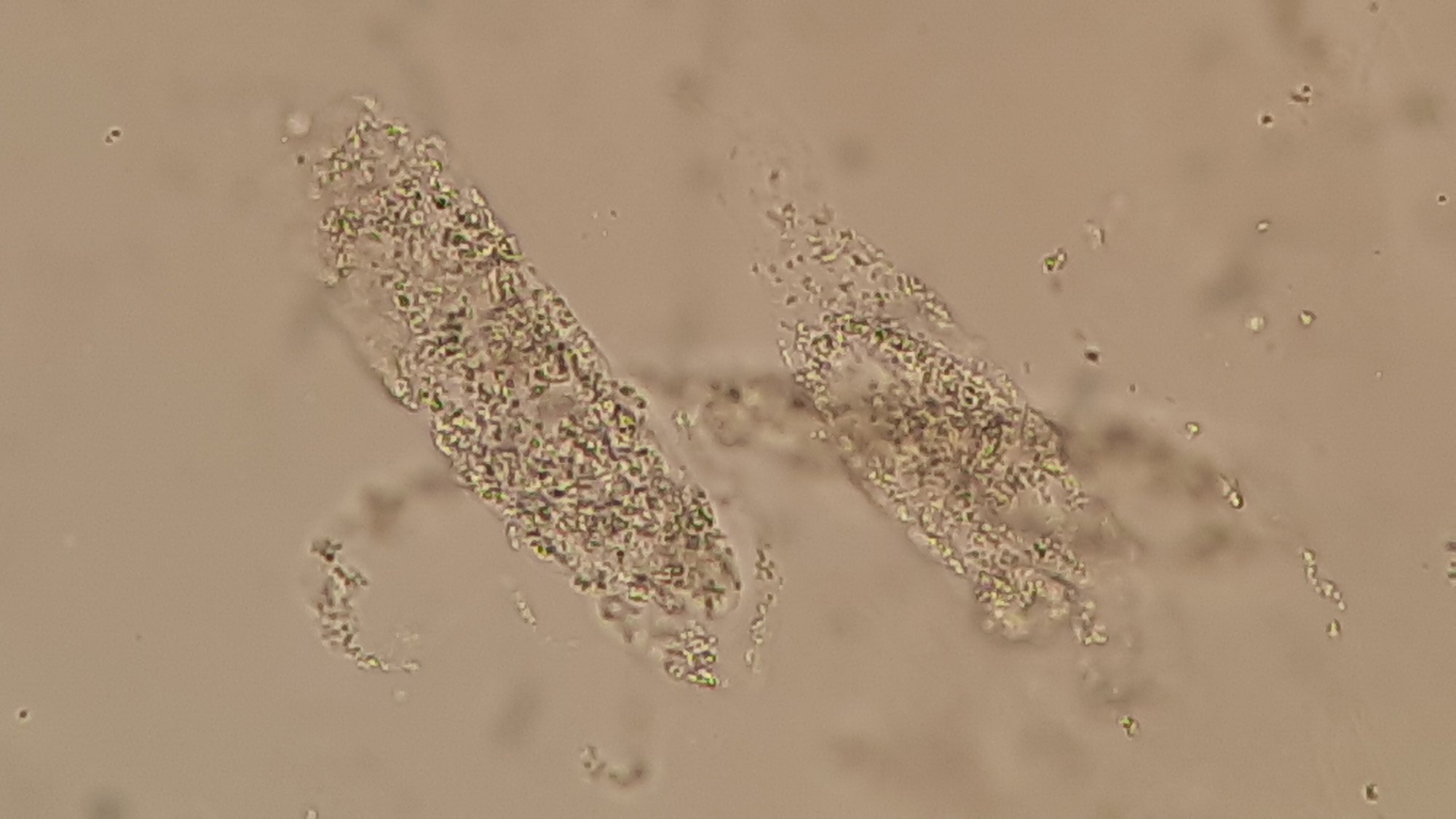
Recommendation 2.5.1 suggests urine sediment microscopy in the investigation of AKI, with strength 2D (KDIGO, March 2026 draft). Brown granular casts, the so-called "muddy" casts, point to acute tubular necrosis, and the search for eosinophils in the urine has low sensitivity for interstitial nephritis (KDIGO, March 2026 draft). Cavanaugh and Perazella recall that the exam has been used since the 19th century and continues to provide diagnostic and prognostic information at almost no cost (Cavanaugh and Perazella, 2025).
Excretion fractions and cirrhosis
The draft restricts the sodium and urea excretion fractions to selected cases, in practice point 2.5.4 (KDIGO, March 2026 draft). In a multicenter study with 203 critically ill patients, the urea excretion fraction had an area under the curve of 0.59 for separating transient from persistent AKI (Darmon et al., 2011). With a cutoff of 35, sensitivity was 63 and specificity was 54 out of 100 (Darmon et al., 2011).
In cirrhosis, the ADQI consensus with the International Club of Ascites recalls that a sodium excretion fraction below 1 is common even without hypovolemia, and that lower thresholds, from 0.1 to 0.2, help more (Nadim et al., 2024). The same document proposes assessing fluid responsiveness within 24 hours, with 250 to 500 ml of crystalloid or albumin in the range of 1 to 1.5 g/kg, and cites urinary NGAL as promising for separating tubular necrosis from hepatorenal syndrome (Nadim et al., 2024).
Furosemide stress test
Recommendation 2.3.1 suggests the furosemide stress test to predict progression in adults, with strength 2C (KDIGO, March 2026 draft). In the standardization study, 77 patients received 1.0 or 1.5 mg/kg of furosemide, and urine output below 200 ml in 2 hours predicted stage 3 with sensitivity of 87.1 and specificity of 84.1 out of 100 (Chawla et al., 2013). In the meta-analysis by Chen and colleagues, pooled sensitivity was 0.81 and specificity was 0.88 for progression, with an area under the curve of 0.88 (Chen et al., 2020).
Imaging and biopsy
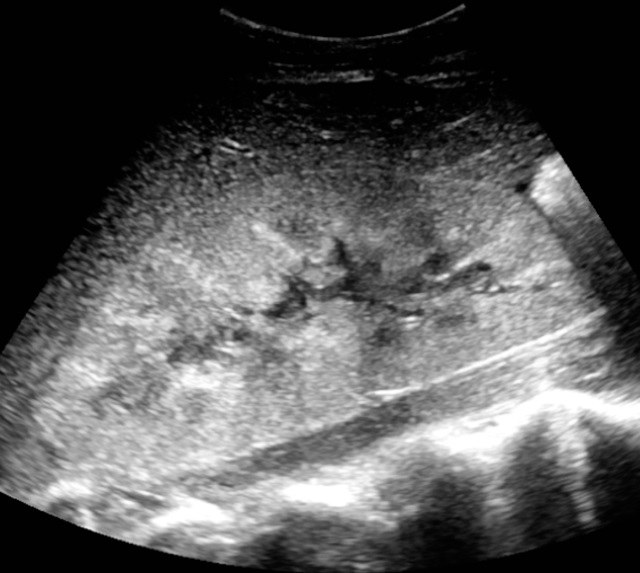
The draft cites point-of-care ultrasound to exclude obstruction and assess volume status, the Doppler resistance index as a still limited tool, and biopsy when the cause remains obscure and the result would change management (KDIGO, March 2026 draft). In children, recommendation 2.6.1 suggests the renal angina index to estimate the risk of severe AKI (KDIGO, March 2026 draft).
Who is at risk
Recommendations 2.1.1 and 2.1.2 address risk models to identify who may develop AKI, with strengths 2C and 1C (KDIGO, March 2026 draft). Advanced age, CKD, diabetes, heart failure, sepsis, major surgery and intravenous contrast appear frequently in these models. In critically ill children, AKI is very common, and the pediatric ADQI notes that community and low-income settings are still poorly studied (Sutherland et al., 2024).
Electronic alerts with caution
Recommendation 2.2.1 is against interruptive alerts based only on creatinine, with strength 1B (KDIGO, March 2026 draft). An alert on its own causes fatigue and can lead to automatic actions. The text prefers alerts integrated with an organized response, with review of medications, volume status and tests.
Damage biomarkers
Recommendation 2.4.1 suggests damage biomarkers in at-risk adults, with strength 2B, and in children with strength 2C (KDIGO, March 2026 draft). Practice point 2.4.1 calls for baseline albuminuria, and points 2.4.2 and 2.4.3 address [TIMP-2]×[IGFBP7] and NGAL (KDIGO, March 2026 draft). Recommendation 2.3.2 suggests kinetic filtration, which estimates function while creatinine is still changing, with strength 2B (KDIGO, March 2026 draft). Choosing which test to order, and when, is the subject of the text on clinical decision-making.
After discharge: the follow-up that is missing
What the draft calls for
Recommendation 6.1.1 suggests coordinated follow-up after AKI, and 6.2.1 suggests starting or resuming renin-angiotensin system inhibitors when indicated (KDIGO, March 2026 draft). Practice point 6.3.1 calls for assessing kidney function and damage at 3 months (KDIGO, March 2026 draft).
What happens in practice
In England, Mok and colleagues followed 209,222 patients and 279,187 episodes of AKI (Mok et al., 2026). AKI was recorded in primary care in 19.5 of every 100 episodes, although 72.6 of every 100 patients had contact with their general practitioner (Mok et al., 2026). Within 90 days, only 34.2 of every 100 had a creatinine test, 34.6 of every 100 had blood pressure measured and 4.2 of every 100 had an albumin-to-creatinine ratio (Mok et al., 2026).
This gap resembles what is seen in other failures in the transition from discharge to primary care. A useful discharge summary after AKI usually includes these items:
- the AKI diagnosis, with stage, likely cause and baseline creatinine;
- creatinine and urine output at discharge;
- the medications stopped and when to reassess each one;
- the date to repeat creatinine, albuminuria and blood pressure;
- the signs that call for a return visit before the scheduled appointment.
Back to the opening case
The man with diarrhea has a recent outpatient creatinine, which serves as baseline. If creatinine doubles, he is C2; if urine output stays below 0.5 ml/kg/h for more than 12 hours, by ideal weight, he is U2 (KDIGO, March 2026 draft). If function returns within 48 hours with fluid replacement and stopping the anti-inflammatory drug, the injury is transient. If it does not return, investigating the cause takes priority, and follow-up at 3 months will show whether there was AKD or CKD. Putting these decisions in order is the subject of the text on clinical reasoning in the internship. When potassium rises along the way, it is worth reviewing the text on hyperkalemia on the ECG.
How NEXO helps train this reasoning
In NEXO, the case of the day is fictional, with a real clinical presentation and up to six progressive clues, and you propose the diagnosis by searching for the ICD-10 code.
The limits on using the game are described on the NEXO Economy page. If you research the teaching of clinical reasoning, the Researcher page explains how to get in touch. Professionals who write or review cases find information on Curator and on Creators, and institutions can learn about the proposal on the partnerships page.
Frequently asked questions
Is KDIGO 2026 already in force?
Not yet. In March 2026, KDIGO released a draft for public review, and the document itself warns that the content will change with the comments received (KDIGO, March 2026 draft). Until the final version, the 2012 criteria remain the formal reference.
Is creatinine no longer valid?
It still applies. It remains a criterion and the C axis of staging, and cystatin C enters as an alternative when creatinine is less reliable (KDIGO, March 2026 draft).
Why use ideal weight for urine output?
Because adipose tissue produces little urine. By actual weight, an obese patient crosses the 0.5 ml/kg/h threshold with normal kidneys, and the draft switches the calculation to ideal body weight (KDIGO, March 2026 draft).
What is acute kidney disease?
It is a kidney change lasting up to 3 months, after an AKI or without one, and it sits between acute injury and CKD (KDIGO, March 2026 draft).
Do I need a biomarker to diagnose AKI?
In most cases, creatinine and urine output are enough. The damage biomarker adds the structural criterion and the B axis, but the draft itself acknowledges that these tests are more expensive and less available (KDIGO, March 2026 draft).
When should tests be repeated after discharge?
The draft calls for assessing kidney function and damage at 3 months (KDIGO, March 2026 draft). Patients with AKD, prior CKD or high risk often need a follow-up visit sooner.
Take-home messages
Note: this text is based on the KDIGO 2026 public review draft, from March 2026, which may still change before the final version (KDIGO, March 2026 draft).
- AKI becomes a change in function or structure within up to 7 days, with cystatin C as a criterion (KDIGO, March 2026 draft).
- Baseline creatinine preferably comes from an outpatient test from the last 12 months, and the choice must be recorded.
- The stage separates creatinine (C), urine (U) and biomarker (B), and urine output is counted by ideal weight.
- AKD covers up to 3 months and is associated with more deaths and more CKD (Su et al., 2023).
- Urine microscopy, ultrasound and the furosemide test help find the cause and the risk of progression.
- Follow-up after discharge still fails often, and the draft calls for reassessment at 3 months (Mok et al., 2026).
Play the case of the day on NEXO.
References
- KDIGO AKI/AKD Work Group. KDIGO 2026 Clinical Practice Guideline for Acute Kidney Injury (AKI) and Acute Kidney Disease (AKD). Public Review Draft, March 2026. Draft for public review, subject to changes. Official PDF.
- Bellomo R, Ronco C, Kellum JA, Mehta RL, Palevsky P; ADQI workgroup. Acute renal failure: definition, outcome measures, animal models, fluid therapy and information technology needs. Crit Care. 2004;8(4):R204-R212. PMID 15312219. DOI 10.1186/cc2872.
- Mehta RL, Kellum JA, Shah SV, et al. Acute Kidney Injury Network: report of an initiative to improve outcomes in acute kidney injury. Crit Care. 2007;11(2):R31. PMID 17331245. DOI 10.1186/cc5713.
- Yong Z, Pei X, Zhu B, et al. Predictive value of serum cystatin C for acute kidney injury in adults: a meta-analysis of prospective cohort trials. Sci Rep. 2017;7:41012. PMID 28112204. DOI 10.1038/srep41012.
- Su CC, Chen JY, Chen SY, et al. Outcomes associated with acute kidney disease: a systematic review and meta-analysis. EClinicalMedicine. 2023;55:101760. PMID 36531983. DOI 10.1016/j.eclinm.2022.101760.
- Xu L, Li C, Li N, et al. Incidence and prognosis of acute kidney injury versus acute kidney disease among 71 041 inpatients. Clin Kidney J. 2023;16(11):1993-2002. PMID 37915910. DOI 10.1093/ckj/sfad208.
- Cavanaugh C, Perazella MA. Urine microscopy: the enduring value of a classic test. Kidney360. 2025;6(11):1837-1839. PMID 41264406. DOI 10.34067/KID.0000000985.
- Darmon M, Vincent F, Dellamonica J, et al. Diagnostic performance of fractional excretion of urea in the evaluation of critically ill patients with acute kidney injury: a multicenter cohort study. Crit Care. 2011;15(4):R178. PMID 21794161. DOI 10.1186/cc10327.
- Nadim MK, Kellum JA, Forni L, et al. Acute kidney injury in patients with cirrhosis: Acute Disease Quality Initiative (ADQI) and International Club of Ascites (ICA) joint multidisciplinary consensus meeting. J Hepatol. 2024;81(1):163-183. PMID 38527522. DOI 10.1016/j.jhep.2024.03.031.
- Chawla LS, Davison DL, Brasha-Mitchell E, et al. Development and standardization of a furosemide stress test to predict the severity of acute kidney injury. Crit Care. 2013;17(5):R207. PMID 24053972. DOI 10.1186/cc13015.
- Chen JJ, Chang CH, Huang YT, Kuo G. Furosemide stress test as a predictive marker of acute kidney injury progression or renal replacement therapy: a systemic review and meta-analysis. Crit Care. 2020;24(1):202. PMID 32381019. DOI 10.1186/s13054-020-02912-8.
- Sutherland SM, Alobaidi R, Gorga SM, et al. Epidemiology of acute kidney injury in children: a report from the 26th Acute Disease Quality Initiative (ADQI) consensus conference. Pediatr Nephrol. 2024;39(3):919-928. PMID 37874357. DOI 10.1007/s00467-023-06164-w.
- Mok PLH, Sawhney S, Blakeman T, et al. Examining variations in adherence to guideline-recommended post-acute kidney injury care in primary care in England: a population-based cohort study. BMC Med. 2026;24(1). PMID 42581362. DOI 10.1186/s12916-026-05042-0.