Heart attack in women: symptoms and diagnostic delay
Table of contents
- Heart attack is also a disease of women
- The symptoms: more similar than is usually said
- Why the typical and atypical labels get in the way
- The delay starts before reaching the hospital
- The delay within the health service
- More frequent causes in women: MINOCA, dissection and takotsubo
- How NEXO helps train this reasoning
- Frequently asked questions
- Take-home messages
- References
A 48-year-old teacher wakes up with chest discomfort that comes and goes, nausea and fatigue. She thinks it is end-of-semester stress. The next day, she goes to a health unit, where she is told it must be anxiety and is advised to rest. She returns three days later with shortness of breath, and only then do the ECG and troponin show that she had a heart attack. No one did anything absurd, but each step added hours, and then days, to the diagnosis.
Stories like this are common enough to have been studied in detail. Heart attack in women is not a different disease, but there are differences in how symptoms are reported, interpreted and valued, and there are causes of heart attack that appear more often in them. This text reviews what studies show about symptoms, why the atypical symptom label gets in the way, where delays arise and which causes call for special attention.
Key points
- Chest pain is the most common symptom of heart attack in both women and men.
- Women more often report associated symptoms, such as nausea, shortness of breath and pain between the shoulder blades.
- The typical and atypical symptom labels confuse and can harm women.
- The delay appears before arrival at the hospital and also within the health service.
- MINOCA and spontaneous coronary artery dissection are more frequent in women and must be remembered.
Heart attack is also a disease of women
Acute myocardial infarction is the leading cause of death among women worldwide (Chandrasekhar and colleagues, 2018). In the United States, more than 30 thousand women under 55 are hospitalized for heart attack every year (Chandrasekhar and colleagues, 2018). In recent decades, incidence has been rising among young women, in the context of metabolic syndrome, diabetes and non-traditional factors such as stress, anxiety and depression (Chandrasekhar and colleagues, 2018).
The frequency is lower than in men, but it is far from rare. In the Dutch population study Lifelines, which followed 97203 people with a normal initial ECG, the incidence of heart attack was 1.92 per 1000 person-years in women and 3.30 in men (van der Ende and colleagues, 2020). The most striking finding was another one: heart attack was not recognized in 30 out of every 100 women, against 16 out of every 100 men (van der Ende and colleagues, 2020). The follow-up ECG was done after a median of 3.8 years (van der Ende and colleagues, 2020). Those who had an unrecognized heart attack less often reported specific cardiac symptoms, and the main predictors were hypertension, smoking and higher blood glucose (van der Ende and colleagues, 2020).
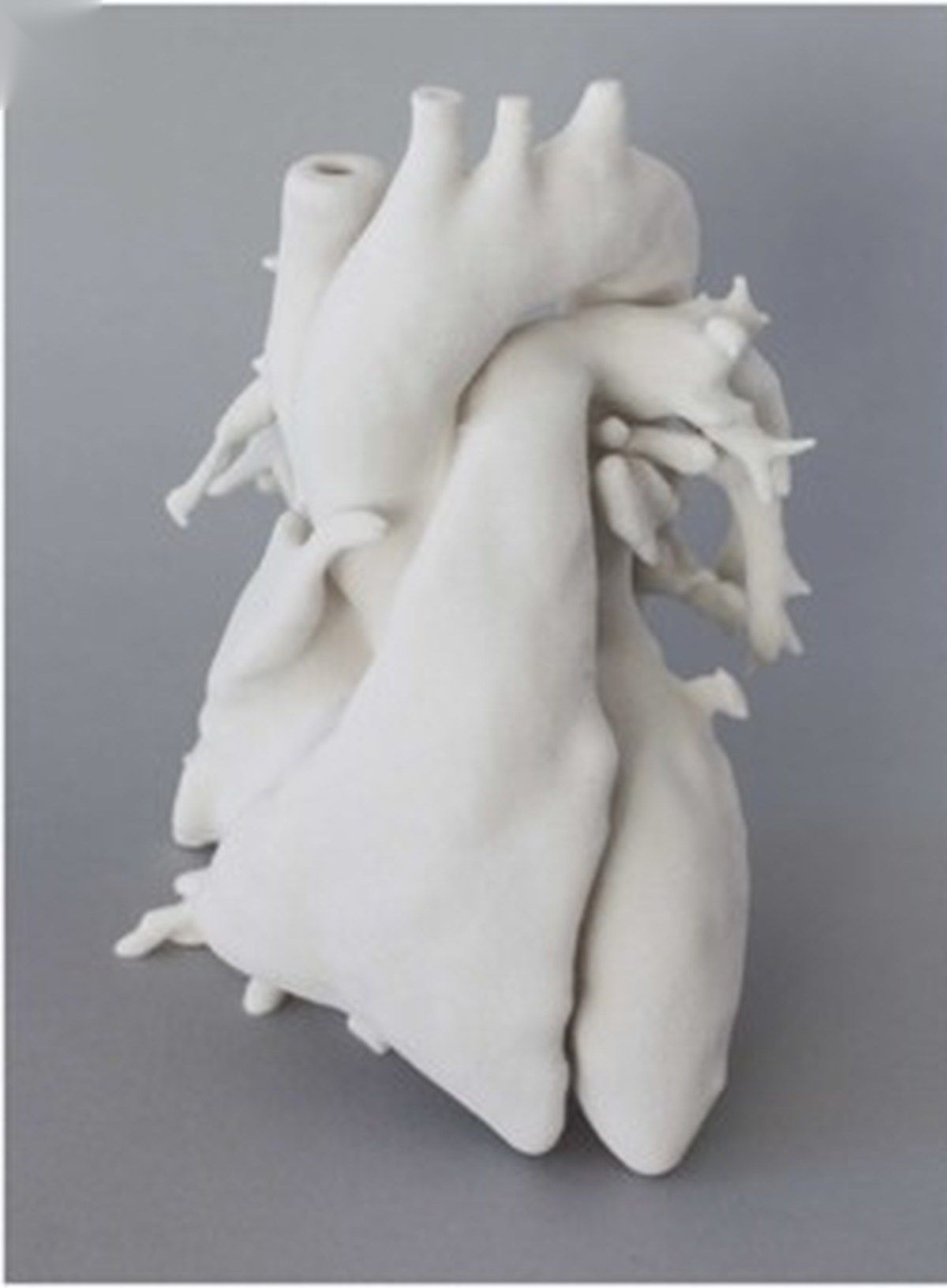

Cardiovascular disease was long seen as a man's disease, and this affected the referral of women for diagnosis and treatment (Al Hamid and colleagues, 2024). Women themselves tend to consider themselves at lower risk than men (Al Hamid and colleagues, 2024). This perception, added to the way symptoms are interpreted, helps explain the delays described below.
The symptoms: more similar than is usually said
The VIRGO study included 2009 women and 976 men aged 18 to 55 admitted for myocardial infarction at 103 hospitals (Lichtman et al., 2018). Chest pain, defined as pain, pressure, tightness or discomfort, was the presenting symptom in 87.0 out of every 100 women and in 89.5 out of every 100 men (Lichtman et al., 2018). The difference appears in the associated symptoms: 61.9 out of every 100 women had 3 or more of them, versus 54.8 out of every 100 men (Lichtman et al., 2018). Among these symptoms were epigastric discomfort, palpitations and pain in the jaw, neck, arms or between the shoulder blades (Lichtman et al., 2018).
There is a subgroup that deserves attention. In the adjusted VIRGO analyses, women with ST-elevation myocardial infarction were more likely than men to arrive without chest pain, with an odds ratio of 1.51 (Lichtman et al., 2018).
The table below summarizes the main VIRGO numbers (Lichtman et al., 2018).
| Finding in VIRGO | Women (per 100) | Men (per 100) |
|---|---|---|
| Chest pain at presentation | 87.0 (Lichtman et al., 2018) | 89.5 (Lichtman et al., 2018) |
| 3 or more associated symptoms | 61.9 (Lichtman et al., 2018) | 54.8 (Lichtman et al., 2018) |
| Attributed the symptoms to stress or anxiety | 20.9 (Lichtman et al., 2018) | 11.8 (Lichtman et al., 2018) |
| Attributed the symptoms to muscle pain | 15.4 (Lichtman et al., 2018) | 21.2 (Lichtman et al., 2018) |
| Sought care before for the same symptoms | 29.5 (Lichtman et al., 2018) | 22.1 (Lichtman et al., 2018) |
| Were told by the professional that it was not the heart | 53 (Lichtman et al., 2018) | 37 (Lichtman et al., 2018) |
A meta-analysis of 27 studies confirmed the pattern (van Oosterhout et al., 2020). Compared with men, women with acute coronary syndrome were more likely to present pain between the shoulder blades, with an odds ratio of 2.15, nausea or vomiting, with 1.64, and shortness of breath, with 1.34 (van Oosterhout et al., 2020). They were less likely to present chest pain, with 0.70, and sweating, with 0.84 (van Oosterhout et al., 2020). Even so, chest pain was the most common symptom in both sexes, with a prevalence of 79 out of every 100 in men and 74 out of every 100 in women, and the other symptoms also overlapped a great deal (van Oosterhout et al., 2020).
Symptoms also change over time. In the Augsburg registry, in Germany, with 23905 patients admitted for myocardial infarction between 1985 and 2019, typical chest pain fell from 83.5 to 80.0 out of every 100 between the first and the last period (Wolfermann et al., 2025). Shortness of breath was the only symptom that increased, from 43.8 to 48.4 out of every 100, with an odds ratio of 1.22 (Wolfermann et al., 2025). In the same period, pain in the shoulder, arm or left hand fell from 52.1 to 44.9 out of every 100, and the feeling of impending death, from 30.7 to 14.7 out of every 100 (Wolfermann et al., 2025). Symptoms considered atypical were more frequent in older patients and in women (Wolfermann et al., 2025).
Why the typical and atypical labels get in the way
In practice, atypical pain is usually defined as epigastric or back pain, or pain that is burning, stabbing or similar to indigestion (DeVon et al., 2020). Typical symptoms usually include pain in the chest, arm or jaw, described as dull, heavy, squeezing or oppressive (DeVon et al., 2020). The problem is that these labels were built from mostly male populations.
A Scottish study helps show how big the confusion is. Among 1941 patients with suspected acute coronary syndrome, 39 in 100 were women, and infarction was defined with high-sensitivity troponin and sex-specific thresholds (Ferry et al., 2019). Standardized criteria defined typical or atypical presentation based on the nature, location and radiation of the pain and on associated symptoms (Ferry et al., 2019). Chest pain was the presenting symptom in 91 in 100 of the men and in 92 in 100 of the women (Ferry et al., 2019). Among patients with infarction, typical symptoms were more common in women, in 77 in 100, than in men, in 59 in 100 (Ferry et al., 2019). The presence of 3 or more typical characteristics had a positive likelihood ratio of 1.18 in women and had no significant value in men (Ferry et al., 2019).
DeVon et al., commenting on this study, propose abandoning the terms typical and atypical or, at least, always stating which is the reference group (DeVon et al., 2020). In a prospective study by the same authors, only 3 of 13 common symptoms predicted the diagnosis of acute coronary syndrome (DeVon et al., 2020). Shoulder pain had an odds ratio of 2.53 in women and 1.11 in men, and arm pain, of 2.15 and 1.21 (DeVon et al., 2020).
The authors recall a central point: only 10 to 15 in 100 of the patients seen with suggestive symptoms actually have acute coronary syndrome, and the others look so similar that they require the same investigation (DeVon et al., 2020). The overlap of symptoms between those who have the disease and those who do not weighs more than the differences between the sexes (DeVon et al., 2020). Thinking in terms of pretest probability helps avoid ruling out a woman just because her account does not sound like a man's.
The delay starts before reaching the hospital
A systematic review with 44 articles, from 42 studies published between 1960 and 2008, analyzed the time between symptom onset and arrival at the hospital (Nguyen et al., 2010). Most studies showed that women and older people arrive later than men and younger people (Nguyen et al., 2010). Several factors associated with delay, such as sociodemographic characteristics, medical history and context, varied by sex (Nguyen et al., 2010). The authors conclude that research is still lacking to understand why these vulnerable groups take longer to seek care (Nguyen et al., 2010).
The mode of symptom onset also matters. In 474 patients with symptoms of acute coronary syndrome, the median delay until arrival was 4 hours (Mirzaei et al., 2020). Those with abrupt onset arrived in 2.57 hours, versus 8 hours for those with gradual onset (Mirzaei et al., 2020). Not having health insurance and gradual onset were associated with more delay, while ST-elevation infarction and arrival by ambulance were associated with less delay (Mirzaei et al., 2020). Among men with abrupt onset and ST-elevation infarction, 54 in 100 reported that symptoms began during exertion (Mirzaei et al., 2020). The authors recommend telling patients that symptoms of gradual onset are also an emergency (Mirzaei et al., 2020).
The patient's own interpretation of symptoms is another piece. In VIRGO, 20.9 in 100 of the women attributed the symptoms to stress or anxiety, versus 11.8 in 100 of the men (Lichtman et al., 2018). A review with 19 studies also describes women's symptoms being mistaken for gastrointestinal problems or anxiety (Al Hamid et al., 2024).
The delay within the health service
The delay does not end when the woman seeks care. In VIRGO, 29.5 in 100 of the women and 22.1 in 100 of the men had already sought care for the same symptoms before admission (Lichtman et al., 2018). Among the women, 53 in 100 reported that the professional did not think the symptoms were cardiac, versus 37 in 100 of the men (Lichtman et al., 2018).
Emergency department data point in the same direction. A national American analysis of visits by adults aged 18 to 55 with chest pain, between 2014 and 2018, found differences at several steps (Banco and colleagues, 2022). Women were triaged as emergent in 19.1 per 100, against 23.3 per 100 of men, had an ECG in 74.2 against 78.8 per 100, and were admitted or observed in 12.4 against 17.9 per 100 (Banco and colleagues, 2022). After adjustment, men were seen faster by the physician, with a hazard ratio of 1.15, and had a higher chance of admission, with an odds ratio of 1.40 (Banco and colleagues, 2022). Requests for cardiac biomarkers were similar, and infarction was diagnosed in 1.4 per 100 of these adults in the emergency department and in 6.5 per 100 of those admitted (Banco and colleagues, 2022). Non-white people also waited longer for medical assessment, with a hazard ratio of 0.82 (Banco and colleagues, 2022). The authors conclude that these differences are independent of clinical characteristics and may affect treatment and outcome (Banco and colleagues, 2022).
The review of 19 studies sums up the chain effect (Al Hamid and colleagues, 2024). Women's risk factors were less considered by physicians, they received fewer tests, such as angiography, exercise stress testing, ECG and cardiac enzymes, and were less often referred to the cardiologist or to admission (Al Hamid and colleagues, 2024). When admitted, they had a lower chance of receiving coronary intervention (Al Hamid and colleagues, 2024).
The test itself may contribute. In the Scottish study, when high-sensitivity troponin was used with sex-specific thresholds, 16 ng/L for women and 34 ng/L for men, 27 women were reclassified as infarction, against 9 men (Ferry and colleagues, 2019). These women represented 30 per 100 of female type 1 infarctions, against 5 per 100 among men (Ferry and colleagues, 2019). A single, higher threshold failed to recognize a relevant share of infarctions in women (Ferry and colleagues, 2019).
More frequent causes in women: MINOCA, dissection and takotsubo
Part of the infarctions in women does not come from the classic atherosclerotic plaque. In the VIRGO classification, the culprit lesion mediated by plaque accounted for 82.5 per 100 of infarctions in young women, against 94.9 per 100 in men (Bullock-Palmer and colleagues, 2019).
Infarction with coronary arteries without significant obstruction, with stenosis below 50 per 100 of the vessel diameter, is known as MINOCA and accounts for about 5 to 10 per 100 of infarctions (Alder and colleagues, 2024). Once dissection is ruled out, causes include coronary vasospasm, microvascular dysfunction, coronary embolism and rupture of a non-obstructive plaque (Alder and colleagues, 2024). In a large systematic review, women were almost half of the patients with MINOCA, against 25 per 100 in infarction from atherosclerosis (Alder and colleagues, 2024). The prognosis is not benign: in the Swedish SWEDEHEART registry, the rate of major cardiovascular events at 4 years was 24 per 100, and 5-year mortality reached 11 per 100 (Alder and colleagues, 2024). In another systematic review, the prevalence of MINOCA was 6 per 100, and 1-year mortality was 4.7 per 100, against 6.7 per 100 in infarction with obstructive coronary disease (Chandrasekhar and colleagues, 2018).
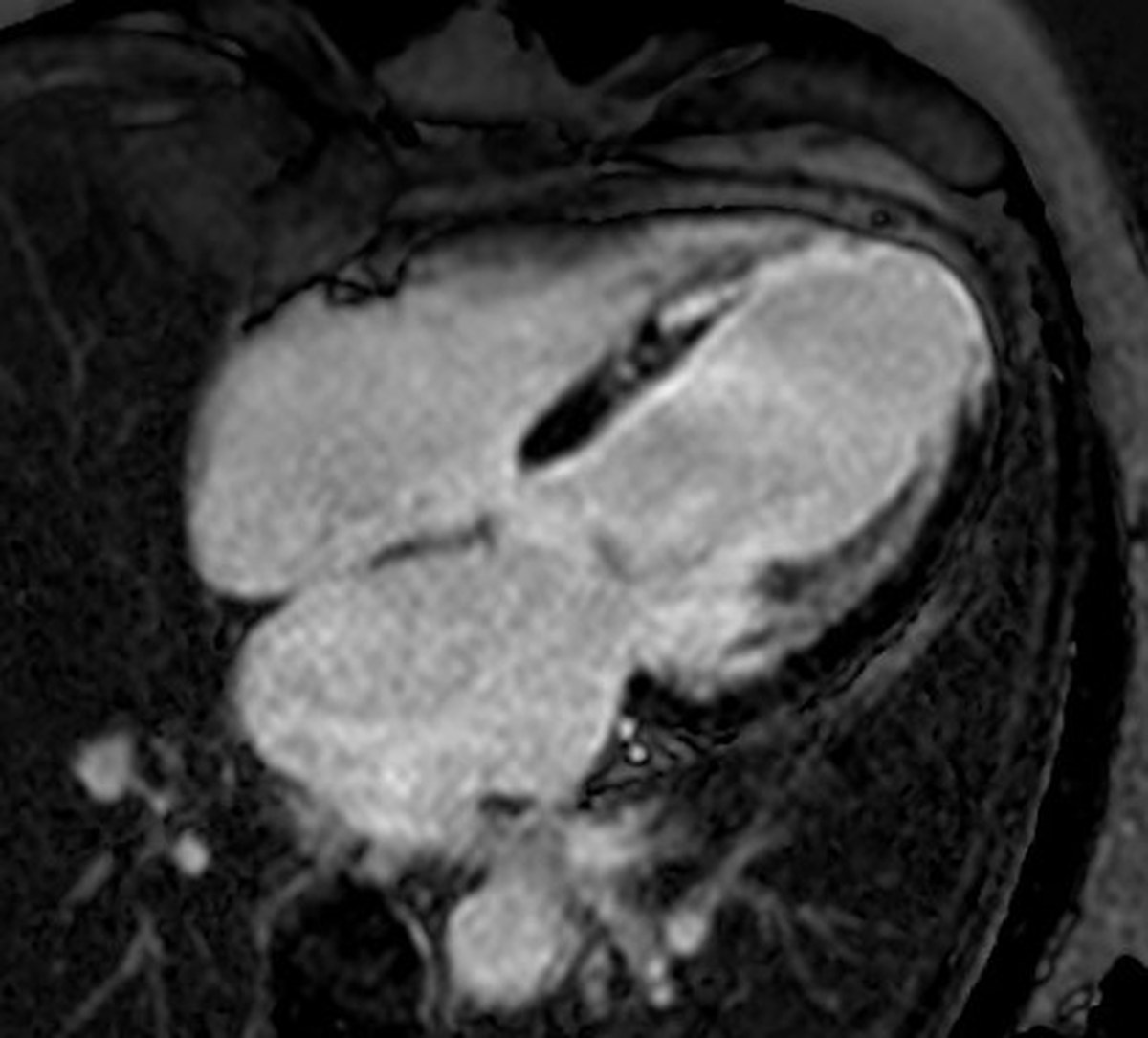

Magnetic resonance plays an important role in this group. In patients with MINOCA, it showed infarction in 24 per 100, myocarditis in 33 per 100 and no changes in 26 per 100 (Chandrasekhar and colleagues, 2018). Alder and colleagues argue that the use of multimodal imaging improves diagnostic accuracy and allows targeted treatment (Alder and colleagues, 2024).
Spontaneous coronary artery dissection is a separation of the layers of the artery wall, without an atherosclerotic origin (Chandrasekhar and colleagues, 2018). It was once described as rare, seen in only 0.2 to 1.1 per 100 angiograms (Bullock-Palmer and colleagues, 2019). A review of angiograms of women under 50, however, found dissection in 24 per 100 of infarctions, and it accounts for as many as 43 per 100 of infarctions associated with pregnancy (Bullock-Palmer and colleagues, 2019). Other series point to dissection as the cause of up to 35 per 100 of acute coronary syndromes in women under 50 (Bullock-Palmer and colleagues, 2019). The presentation is usually an infarction with ST elevation, sometimes with ventricular arrhythmia or sudden death (Chandrasekhar and colleagues, 2018). In women with fibromuscular dysplasia, the prevalence of dissection ranges from 25 to 86 per 100 (Chandrasekhar and colleagues, 2018). Because the dissection flap does not always show up on angiography, some of these cases end up classified as MINOCA (Bullock-Palmer and colleagues, 2019).
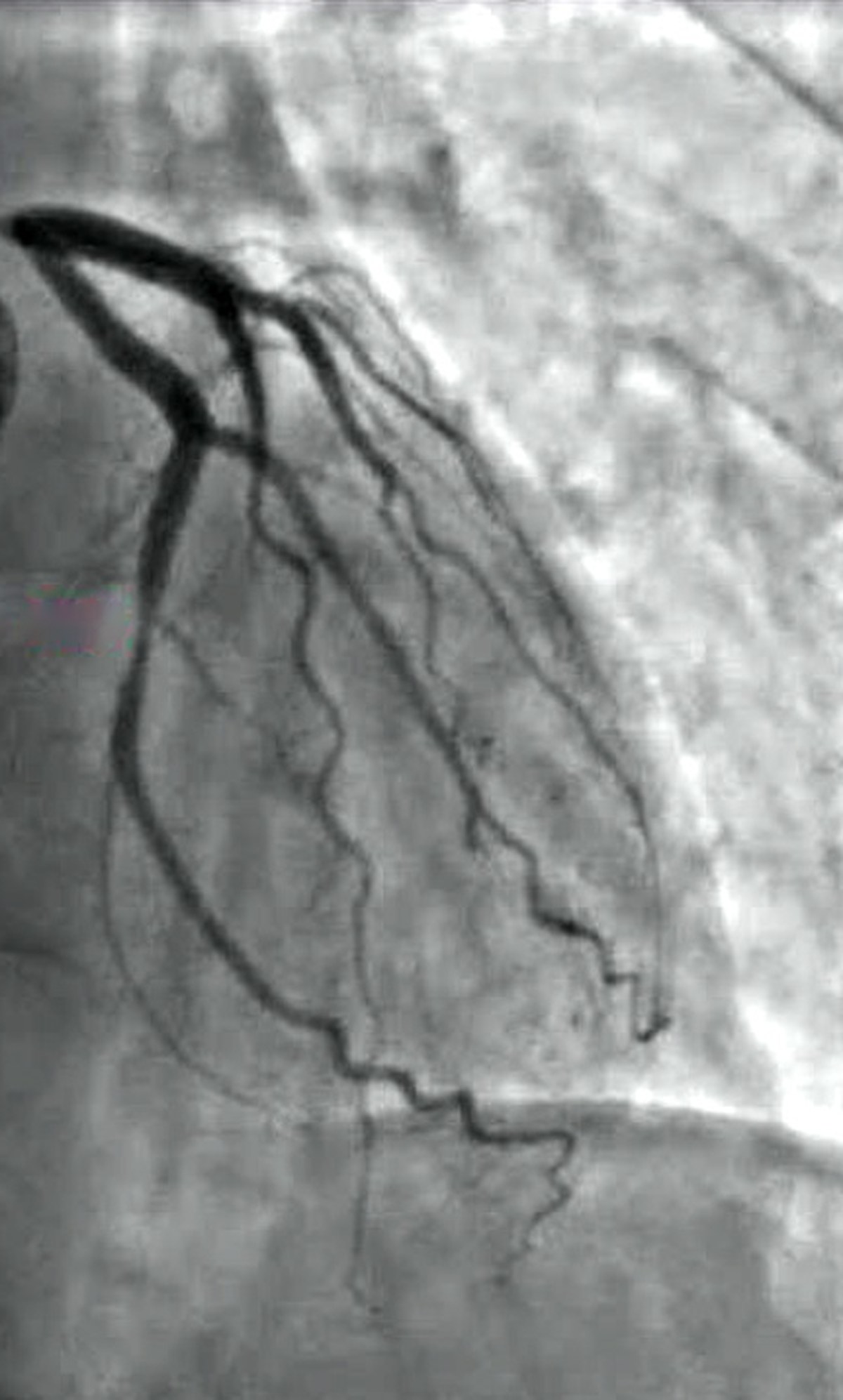

Takotsubo cardiomyopathy, or stress cardiomyopathy, is triggered by emotional or physical stress and appears more often in older women, after menopause (Chandrasekhar and colleagues, 2018). In a large international registry, the mean age of women with takotsubo was 66.8 years (Chandrasekhar and colleagues, 2018). It usually presents as an acute coronary syndrome, without obstructive coronary disease (Chandrasekhar and colleagues, 2018). Faced with these diagnoses, clinical decision-making depends on not ending the investigation when angiography shows no obstruction.
How NEXO helps train this reasoning
The limits of the game's use are described on the NEXO economy page. If you research the teaching of clinical reasoning, the page for researchers explains how to get in touch. Professionals who write or review cases find information on curation and on creators, and institutions can learn about the proposal on the partnerships page. Training differential diagnosis with clues and looking for the right ICD-10 code complete this training.
Frequently asked questions
Do women feel chest pain during a heart attack?
Yes, most of the time. In VIRGO, 87.0 per 100 of young women with infarction had chest pain (Lichtman and colleagues, 2018).
Which symptoms are more common in women?
In the van Oosterhout meta-analysis, women were more likely to have pain between the shoulder blades, nausea or vomiting, and shortness of breath (van Oosterhout and colleagues, 2020).
Why not use the term atypical symptom?
Because it was built on male populations and can lead to the devaluation of women's symptoms; DeVon and colleagues propose abandoning it or stating the reference group (DeVon and colleagues, 2020).
What is MINOCA?
It is infarction without significant coronary obstruction, which accounts for 5 to 10 per 100 of infarctions and affects proportionally more women (Alder and colleagues, 2024).
Why does sex-specific troponin thresholding make a difference?
Because the single, higher threshold fails to recognize infarctions in women. In the Scottish study, thresholds of 16 ng/L for women and 34 ng/L for men reclassified 27 women and 9 men as having infarction (Ferry and colleagues, 2019).
Is takotsubo a young woman's thing?
No. It appears more often in older women, after menopause, and the mean age in a large registry was 66.8 years (Chandrasekhar and colleagues, 2018).
Can a heart attack go unnoticed?
It can. In the Lifelines study, 30 per 100 of infarctions in women were not recognized (van der Ende and colleagues, 2020).
Take-home messages
- Chest pain is the most common symptom of infarction in women, as it is in men.
- Associated symptoms, such as nausea, shortness of breath and pain between the shoulder blades, are more frequent in women.
- The labels typical and atypical are confusing and should be avoided or put in context.
- The delay occurs before the hospital and within the service, with fewer ECGs, triage and admissions.
- MINOCA, spontaneous dissection and takotsubo are more frequent in women and are not benign.
References
- Al Hamid A, Beckett R, Wilson M, et al. Gender Bias in Diagnosis, Prevention, and Treatment of Cardiovascular Diseases: A Systematic Review. Cureus. 2024. PMID 38500942.
- Alder MR, Adamek KE, Lowenstern A, et al. Acute Coronary Syndrome in Women: An Update. Curr Cardiol Rep. 2024. PMID 38466532.
- Banco D, Chang J, Talmor N, et al. Sex and Race Differences in the Evaluation and Treatment of Young Adults Presenting to the Emergency Department With Chest Pain. J Am Heart Assoc. 2022. PMID 35506534.
- Bullock-Palmer RP, Shaw LJ, Gulati M. Emerging misunderstood presentations of cardiovascular disease in young women. Clin Cardiol. 2019. PMID 30793342.
- Chandrasekhar J, Gill A, Mehran R. Acute myocardial infarction in young women: current perspectives. Int J Womens Health. 2018. PMID 29922097.
- DeVon HA, Mirzaei S, Zègre-Hemsey J. Typical and Atypical Symptoms of Acute Coronary Syndrome: Time to Retire the Terms? J Am Heart Assoc. 2020. PMID 32208828.
- Ferry AV, Anand A, Strachan FE, et al. Presenting Symptoms in Men and Women Diagnosed With Myocardial Infarction Using Sex-Specific Criteria. J Am Heart Assoc. 2019. PMID 31431112.
- Lichtman JH, Leifheit EC, Safdar B, et al. Sex Differences in the Presentation and Perception of Symptoms Among Young Patients With Myocardial Infarction: Evidence from the VIRGO Study (Variation in Recovery: Role of Gender on Outcomes of Young AMI Patients). Circulation. 2018. PMID 29459463.
- Mirzaei S, Steffen A, Vuckovic K, et al. The association between symptom onset characteristics and prehospital delay in women and men with acute coronary syndrome. Eur J Cardiovasc Nurs. 2020. PMID 31510786.
- Nguyen HL, Saczynski JS, Gore JM, et al. Age and sex differences in duration of prehospital delay in patients with acute myocardial infarction: a systematic review. Circ Cardiovasc Qual Outcomes. 2010. PMID 20123674.
- van der Ende MY, Juarez-Orozco LE, Waardenburg I, et al. Sex-Based Differences in Unrecognized Myocardial Infarction. J Am Heart Assoc. 2020. PMID 32573316.
- van Oosterhout REM, de Boer AR, Maas AHEM, et al. Sex Differences in Symptom Presentation in Acute Coronary Syndromes: A Systematic Review and Meta-analysis. J Am Heart Assoc. 2020. PMID 32363989.
- Wolfermann S, Schmitz T, Raake P, et al. Frequencies and Trends of Myocardial Infarction Symptoms From the Years 1985-2019: A Register-based, Real-world Analysis. CJC Open. 2025. PMID 41425788.