Insulin hypoglycemia in hospital: recognize and treat
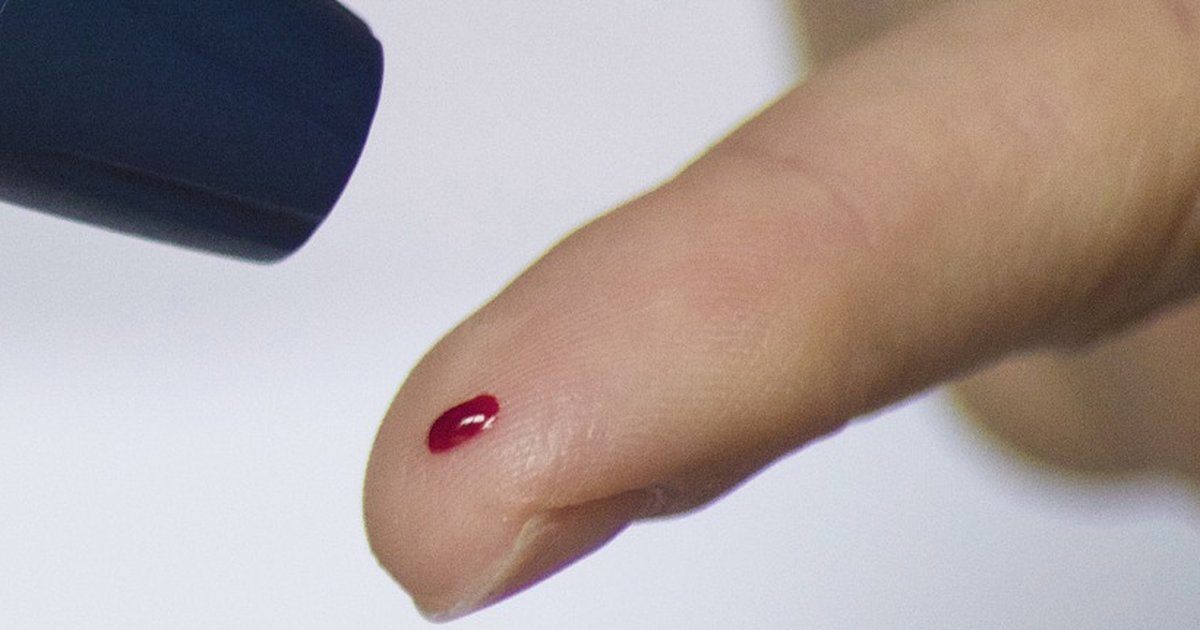
Table of contents
A 68-year-old man with type 2 diabetes and chronic kidney disease is hospitalized for pneumonia and uses basal insulin and rapid-acting insulin before meals. At 6 pm, he receives the rapid-acting insulin dose scheduled for dinner. Shortly after, the diet is suspended because he will have an exam the next morning, and the tray goes back to the pantry. At 9 pm, the nursing technician finds him sweaty, agitated and trying to pull out the venous access. Capillary blood glucose is 52 mg/dL, about 2.9 mmol/L. The scene is fictional and was written for teaching.
This text uses the picture as a clinical reasoning scenario for nursing. The trap is seeing an agitated older adult at night and thinking first of delirium, restraint or a sedative. Capillary blood glucose takes a minute and changes everything. The text does not replace your institution's hypoglycemia protocol or the medical prescription. If you play the case of the day in NEXO, you will recognize the challenge: a simple clue that, if ignored, leads the reasoning down the wrong path.
Key points
- Blood glucose of 70 mg/dL (3.9 mmol/L) or less is the alert value; below 54 mg/dL (3.0 mmol/L) hypoglycemia is clinically important.
- Every patient on insulin or a sulfonylurea who becomes confused, agitated or sweaty needs capillary blood glucose before any other hypothesis.
- In the conscious patient who can swallow, the rule of 15: 15 g of carbohydrate, new blood glucose in 15 minutes, repeat until 70 mg/dL or more.
- If the patient cannot swallow, intravenous glucose through a patent access or glucagon, according to protocol.
- Rapid-acting insulin given and meal suspended is one of the most dangerous combinations in the routine.
- Almost half of the episodes in inpatients may have no symptoms, which is why monitoring matters.
Why this is a reasoning scenario
Hypoglycemia is the most common adverse effect of insulin treatment in the hospital, and it is not harmless. In a study of patients with diabetes admitted to a general ward, hypoglycemia of 50 mg/dL or less appeared in 7.7 percent of admissions, and each additional day with hypoglycemia was associated with an 85.3 percent increase in the chance of death in the hospital (Turchin and colleagues, 2009). A meta-analysis of 15 studies found a hospital stay 4.1 days longer and a relative risk of hospital death of 2.09 in ward patients who had hypoglycemia (Lake and colleagues, 2019).
Association is not the same as cause. In a study that separated hypoglycemia with and without insulin, mortality was 20.3 percent in the group with hypoglycemia treated with insulin versus 4.5 percent in the group treated with insulin without hypoglycemia, and the authors note that the cause-and-effect relationship is not established, because sicker patients have more hypoglycemia and also more risk of dying (Garg and colleagues, 2013). For nursing, the practical message is the same: prevent, recognize early and treat fast.
What the scene teaches
The scene trains three habits. The first is to measure blood glucose at any change in behavior in someone who uses insulin. The second is to link insulin to the meal: if the food did not arrive, the dose needs to be reviewed. The third is to reassess after treating, because the first treatment is not always enough. The post on clinical decision-making discusses how to choose the test that changes management.
How to define and classify hypoglycemia
A working group of the American Diabetes Association and the Endocrine Society proposed using 70 mg/dL (3.9 mmol/L) or less as the alert value, a pragmatic cutoff that allows for the imprecision of the devices (Seaquist and colleagues, 2013). The same document classifies severe hypoglycemia as the event in which the person needs another person to receive carbohydrate, glucagon or another measure (Seaquist and colleagues, 2013).
The classification most used today divides it into three levels. In level 1, glucose is between 54 and 70 mg/dL (3.0 and 3.9 mmol/L); in level 2, below 54 mg/dL (3.0 mmol/L); and level 3 is the severe event, which requires help from others (Porcellati and colleagues, 2021). In 2017, the international hypoglycemia study group began treating values below 3.0 mmol/L as clinically important hypoglycemia and the 3.0 to 3.9 mmol/L range as the alert level (Lake and colleagues, 2019).
| Level | Glucose | What it means |
|---|---|---|
| Level 1 (alert) | 54 to 70 mg/dL (3.0 to 3.9 mmol/L) | Treat and investigate the cause |
| Level 2 | Below 54 mg/dL (3.0 mmol/L) | Clinically important hypoglycemia |
| Level 3 (severe) | Any value | Needs help from another person to recover |
Table sources: (Porcellati and colleagues, 2021) and (Seaquist and colleagues, 2013). The patient in the scene, at 52 mg/dL, is in level 2.
How often it happens
In a British teaching hospital, among 17,658 inpatients with diabetes, the incidence was 21.5 percent for level 1 hypoglycemia and 9.6 percent for level 2 (Ruan and colleagues, 2020). In a tertiary hospital in Singapore, sulfonylurea, premixed insulin, basal insulin and a basal-bolus regimen were linked to 31.8, 30.4, 15.1 and 5.9 percent of episodes, and the times of highest risk varied according to the treatment (Chan and colleagues, 2025).
How the condition presents
The typical early signs are autonomic: tremor, hunger, sweating and palpitations, plus nonspecific symptoms such as headache and nausea (Kedia, 2011). When glucose keeps falling, the signs of a brain without fuel appear: confusion, behavior change, drowsiness, seizure and coma. The patient in the scene has both types: sweating and agitation.
The hypoglycemia that gives no warning
Not every patient feels it. A review estimates that about 25 percent of people with diabetes have reduced awareness of hypoglycemia (Kedia, 2011). The American task force explains that repeated episodes reduce the adrenergic response and symptom awareness, a condition called hypoglycemia-associated autonomic failure, and that the absence of tremor, sweating, palpitation and hunger during episodes helps identify who has this problem (Seaquist and colleagues, 2013). In a prospective study of inpatients, 44.8 percent of patients with hypoglycemia had no symptoms; they were older and more often men (Cardona and colleagues, 2018).
This has a practical consequence: a capillary glucose test at the scheduled time finds episodes that no one would have seen. In older adults with kidney disease, which is the case in the scene, surveillance needs to be greater.


Differential diagnosis
Agitation and confusion at night have many causes, but glucose comes first because it is quick and because the treatment is simple. The table organizes the hypotheses in the scene.
| Hypothesis | Clues | What nursing checks |
|---|---|---|
| Hypoglycemia | Recent insulin, missed meal, sweating, agitation | Capillary glucose now |
| Delirium | Older inpatient, infection, fluctuating attention | Normal glucose, attention assessment |
| Stroke | Focal deficit, altered speech | Strength, speech, face, time of onset |
| Alcohol withdrawal | Alcohol use, tremor, 1 to 3 days of admission | History, vital signs |
| Hypoxia | Pneumonia, tachypnea | Oxygen saturation, respiratory rate |
| Anxiety | Diagnosis of exclusion | Only after ruling out the others |
The main point is that hypoglycemia can mimic all the others, including with focal signs. The post on differential diagnosis with clues shows how to organize this list.
Who is at higher risk
A systematic review of risk factors for hypoglycemia in inpatients cites age, chronic kidney disease, cancer, cerebrovascular disease, duration of diabetes and insulin use, which had an odds ratio of 3.94 in one of the included studies (Pratiwi and colleagues, 2020). In a case-control study, daily insulin doses above 0.6 unit per kilogram were associated with more hypoglycemia: an odds ratio of 2.10 between 0.6 and 0.8 unit per kilogram and of 2.95 above 0.8 (Rubin and colleagues, 2011). Sulfonylureas also cause hypoglycemia, and it can be prolonged (Kedia, 2011).
Nursing management in the conscious patient
The patient in the scene is agitated but awake and able to swallow. In this case, the measure is oral carbohydrate. The rule of 15, described in a practical review on basal insulin, has five steps (Forst et al., 2021):
- Give 15 g of carbohydrate, for example half a glass of juice.
- Measure blood glucose again after 15 minutes.
- If it is still below 70 mg/dL (3.9 mmol/L), give another 15 g.
- Repeat until blood glucose is 70 mg/dL or higher.
- Offer a meal or snack so that glucose does not fall again.
Source of the list: (Forst et al., 2021). In the case of the scene, there is a detail: the patient is fasting for an exam. The team needs to decide with the physician how to maintain glucose after correcting the episode, since the final snack may not be allowed. An Italian nurse-led protocol, for example, provided for intravenous glucose infusion during prolonged fasting (Marelli et al., 2015).


The new blood glucose after 15 minutes
Reassessment is the most forgotten step. In an American hospital, the new blood glucose 15 minutes after treatment was hard to carry out in the routine. A pilot compared two strategies: the technician staying in the room for the 15 minutes or using a timer. The timer group had much higher adherence to the new measurement, 84 versus 52 percent, and after implementation the hospital reached 75 percent adherence (Destree et al., 2017). The lesson is simple: a concrete reminder works better than memory on a busy shift.
Insulin and meals: where the error begins
Rapid insulin before meals exists to cover the food. When the meal does not happen, the dose has no target. In the hospital routine, this shows up in many ways: fasting for an exam scheduled after the injection, nausea that keeps the patient from eating, a tray that arrives late, a transfer to another ward at dinner time. The Singapore study showed that the times of highest risk depend on the type of treatment, which reinforces the idea of measuring blood glucose at the right moments for each regimen (Chan et al., 2025).
Some practices help close this gap. The first is to confirm with the patient and with the food service that the meal will arrive before giving rapid insulin. The second is to notify the physician when a fasting period is scheduled after the injection, so that they can decide how to maintain glucose. The third is to observe how much the patient actually ate; the Italian protocol, for example, provided for patients with little appetite or who ate only part of what was planned, rapid insulin given at the end of the meal and adjusted to the amount of carbohydrate actually ingested (Marelli et al., 2015). The fourth is to look at the total dose: higher daily doses per kilogram were associated with more hypoglycemia (Rubin et al., 2011).
None of these practices depends on expensive technology. They depend on nursing connecting two facts that arrive through different channels: the insulin prescription and what actually happens with the patient's food intake. It is exactly the kind of connection that clinical reasoning trains.
Communicate and record
A structured message helps: "68-year-old patient with type 2 diabetes and kidney disease, rapid insulin at 6 pm, diet suspended afterward. At 9 pm, sweaty and agitated, blood glucose 52. I gave 15 g of carbohydrate at 9:05 pm, new blood glucose at 9:20 pm. He is fasting for an exam tomorrow. I request a review of the insulin and guidance to maintain glucose." Recording the time, value, treatment and new measurement also feeds the reporting of an event with a high-alert medication.
When the patient cannot swallow
If the patient is unconscious, seizing or too confused to swallow safely, nothing should be given by mouth. A review describes two options: intravenous glucose or glucagon (Kedia, 2011).
Intravenous glucose
Fifty percent glucose is the concentration usually given to adults, and 25 percent to children (Kedia, 2011). These solutions can cause necrosis if the access infiltrates, so they should only be given through a patent venous access (Kedia, 2011). For nursing, this means checking for blood return and watching the site during administration. The volume and concentration follow the prescription and the local protocol.
Glucagon
Glucagon can be given subcutaneously or intramuscularly, and powder formulations need to be reconstituted before use (Porcellati et al., 2021). In the trials cited by Porcellati et al., the comparator dose of standard injectable glucagon was 1 mg (Porcellati et al., 2021). Kedia's review notes that glucagon is not recommended in people who use sulfonylureas; in these patients, an intravenous glucose bolus followed by continuous infusion is preferred until the drug's effect wears off (Kedia, 2011). Nausea and vomiting are possible effects, mainly with doses above 1 mg (Kedia, 2011).
After the episode
Correcting the number does not end the care. The team needs to understand why the episode happened and change the plan. In the case of the scene, the cause is clear: rapid insulin given for a meal that did not happen. The British analysis of electronic records suggests using these data to adjust treatment in the highest-risk groups (Ruan et al., 2020). The review of risk factors concludes that hospital hypoglycemia can be prevented by controlling modifiable factors and educating professionals, patients and families (Pratiwi et al., 2020).
Step-by-step reasoning in the case
First, the suspicion: an older adult on insulin, sweaty and agitated at night. The first question is the blood glucose.
Second, the measurement: capillary blood glucose of 52 mg/dL, level 2.
Third, the route decision: he is awake and swallowing, so he receives 15 g of carbohydrate by mouth.
Fourth, reassessment: a new blood glucose in 15 minutes, with a timer; if it is still below 70, another 15 g.
Fifth, maintenance: since he is fasting, the nurse calls the doctor to decide how to maintain glucose.
Sixth, the cause: rapid insulin at 6 pm without dinner. The next prandial dose needs to be reviewed, and the basal dose too, considering the kidney disease.
Seventh, the record: time, values, treatment and notification of the event.
Common errors
The first error is treating agitation with a sedative or restraint without measuring blood glucose.
The second error is giving carbohydrate to someone who does not swallow safely. The risk of aspiration is real.
The third error is forgetting the new blood glucose in 15 minutes.
The fourth error is giving rapid insulin without confirming that the meal will arrive.
The fifth error is using glucagon in someone who uses sulfonylureas, when the review prefers continuous intravenous glucose (Kedia, 2011).
Prevention in routine care
In the Italian nurse-led protocol focused on carbohydrate intake, hypoglycemia episodes fell from 0.34 to 0.19 per patient per day in patients on subcutaneous insulin (Marelli et al., 2015). Nursing is who sees the tray come back full, knows the test was scheduled and notices that the patient ate half. Linking this information to the insulin prescription is one of the most effective measures. The post about diagnostic pause shows how to stop and review a picture before moving on.
How NEXO helps train this reasoning
To use the case of the day as training, try three habits. Before the first guess, ask which simple test would rule out the most dangerous hypothesis. With each clue, ask whether it speaks of cause or of severity. After the result, note the clue you ignored because it seemed trivial.
There is also a direct parallel with hypoglycemia that gives no warning. In the game, a clue that seems unimportant may be the one that closes the case. In the hospital, the patient who does not feel hypoglycemia depends on the team checking the value at the scheduled time (Seaquist et al., 2013). In both scenarios, the habit that protects is the same: do not discard a piece of data just because it does not draw attention.
Three exercises with cases
Link the drug to the symptom. In each case, list the medications that could explain the picture.
Look for the one-minute exam. Ask which bedside measurement would change management.
Put the communication together. Write the message you would send the team in four sentences.
The post on simulation of patient care shows how to train patient assessment, the post on interprofessional clinical reasoning discusses how nursing, medicine and nutrition decide together, and the post on signs, symptoms and history shows how to read the patient's complaints.
The post on case-based learning shows how cases help fix these habits, and the post on diagnostic uncertainty discusses how to decide when the data do not yet add up.
The limits on using the game are described on the NEXO economy page. If you research the teaching of clinical reasoning, the page for researchers explains how to get in touch. Professionals who write or review cases find information on curation and on creators, and institutions can learn about the proposal on the for partnerships page.
Frequently asked questions
Which glucose value calls for treatment?
70 mg/dL (3.9 mmol/L) or less is the alert value (Seaquist et al., 2013); below 54 mg/dL (3.0 mmol/L) is level 2 (Porcellati et al., 2021). Follow the local protocol.
How much carbohydrate should be given?
15 g, with a new glucose reading in 15 minutes, repeating until 70 mg/dL or more, and then a meal or snack (Forst et al., 2021).
What if the patient cannot swallow?
Intravenous glucose through a patent line or glucagon, per protocol; nothing by mouth (Kedia, 2011).
What is the glucagon dose?
The comparator dose of standard injectable glucagon in the trials was 1 mg (Porcellati et al., 2021). It is not recommended in people using sulfonylureas (Kedia, 2011).
Does every patient feel hypoglycemia?
No. In a study of inpatients, 44.8 percent had no symptoms (Cardona et al., 2018).
Final checklist
- I measured glucose in response to any change in behavior in anyone using insulin or a sulfonylurea.
- I classified the value (alert, level 2, severe).
- I assessed whether the patient can swallow safely.
- I gave 15 g of carbohydrate or used the intravenous route or glucagon.
- I measured again in 15 minutes, with a reminder.
- I repeated until 70 mg/dL or more and planned maintenance.
- I identified the cause and asked for a prescription review.
- I recorded and reported the event.
Want to practice reasoning with progressive clues? Play the case of the day.
References
- Cardona S, Gomez PC, Vellanki P, et al. Clinical characteristics and outcomes of symptomatic and asymptomatic hypoglycemia in hospitalized patients with diabetes. BMJ Open Diabetes Res Care. 2018. PMID 30613402.
- Chan WOY, Lim PS, Ang ALC, Goh SY, Bee YM, Teh MM. Temporal patterns of inpatient hypoglycaemia are treatment-dependent. Ther Adv Endocrinol Metab. 2025. PMID 40351889.
- Destree L, Vercellino M, Armstrong N. Interventions to Improve Adherence to a Hypoglycemia Protocol. Diabetes Spectr. 2017. PMID 28848314.
- Forst T, Choudhary P, Schneider D, Linetzky B, Pozzilli P. A practical approach to the clinical challenges in initiation of basal insulin therapy in people with type 2 diabetes. Diabetes Metab Res Rev. 2021. PMID 33098260.
- Garg R, Hurwitz S, Turchin A, Trivedi A. Hypoglycemia, with or without insulin therapy, is associated with increased mortality among hospitalized patients. Diabetes Care. 2013. PMID 23248192.
- Kedia N. Treatment of severe diabetic hypoglycemia with glucagon: an underutilized therapeutic approach. Diabetes Metab Syndr Obes. 2011. PMID 21969805.
- Lake A, Arthur A, Byrne C, et al. The effect of hypoglycaemia during hospital admission on health-related outcomes for people with diabetes: a systematic review and meta-analysis. Diabet Med. 2019. PMID 31441089.
- Marelli G, Avanzini F, Iacuitti G, et al. Effectiveness of a nurse-managed protocol to prevent hypoglycemia in hospitalized patients with diabetes. J Diabetes Res. 2015. PMID 25961051.
- Porcellati F, Di Mauro S, Mazzieri A, et al. Glucagon as a Therapeutic Approach to Severe Hypoglycemia: After 100 Years, Is It Still the Antidote of Insulin? Biomolecules. 2021. PMID 34572493.
- Pratiwi C, Mokoagow MI, Made Kshanti IA, Soewondo P. The risk factors of inpatient hypoglycemia: A systematic review. Heliyon. 2020. PMID 32420485.
- Ruan Y, Moysova Z, Tan GD, Lumb A, Davies J, Rea RD. Inpatient hypoglycaemia: understanding who is at risk. Diabetologia. 2020. PMID 32300821.
- Rubin DJ, Rybin D, Doros G, McDonnell ME. Weight-based, insulin dose-related hypoglycemia in hospitalized patients with diabetes. Diabetes Care. 2011. PMID 21700919.
- Seaquist ER, Anderson J, Childs B, et al. Hypoglycemia and diabetes: a report of a workgroup of the American Diabetes Association and the Endocrine Society. Diabetes Care. 2013. PMID 23589542.
- Turchin A, Matheny ME, Shubina M, et al. Hypoglycemia and clinical outcomes in patients with diabetes hospitalized in the general ward. Diabetes Care. 2009. PMID 19564471.