Typhoid fever: diagnosis when the test misleads
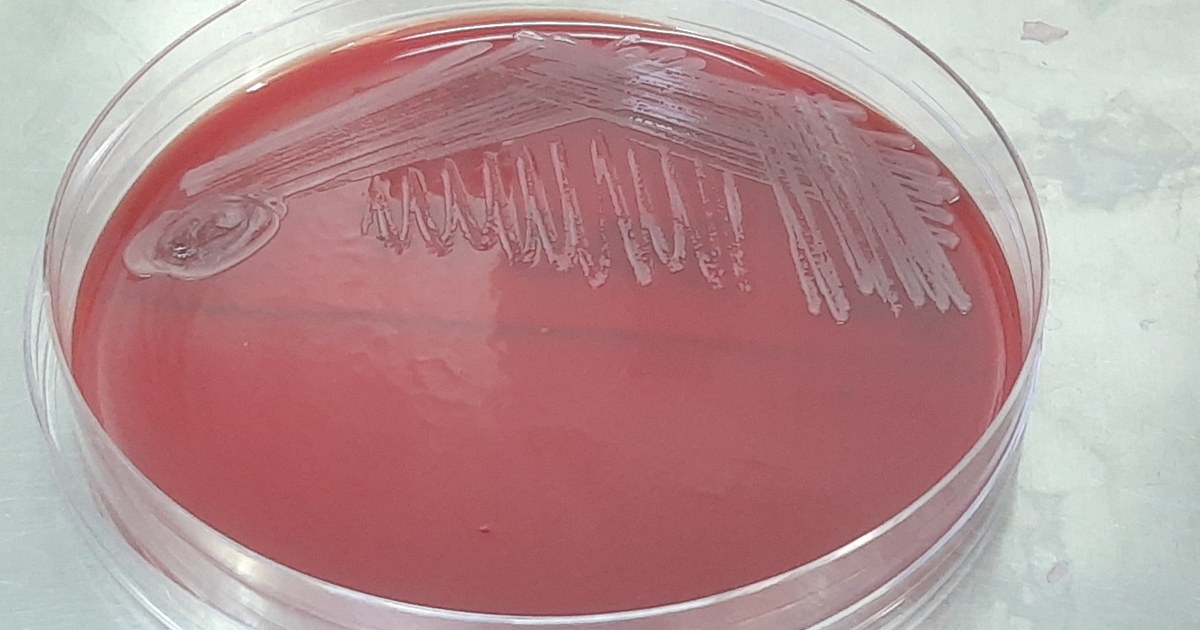
Table of contents
A 27-year-old woman returns from a three-week trip through India. For six days she has had fever that rises in the late afternoon, headache and malaise. Before seeking care, she took an antibiotic she had at home on her own. In the emergency department, the heart rate seems low for the fever, the blood count shows no eosinophils and the Widal reaction comes back with a high titer. A blood culture is collected, but the result only comes out in a few days. The team needs to decide now.
This is the typical situation of typhoid fever: a disease common in many regions, with no clinical sign that defines it and with tests that err in both directions. The most available test is the one that misleads most, and the reference test misses part of the cases.
This text shows how to reason when the result is not reliable: what the clinical picture offers, why the blood culture fails, how to interpret the Widal reaction, what the rapid tests can achieve and how to decide under uncertainty.
Key points
- No single symptom separates typhoid fever from other acute fevers.
- The blood culture is the reference standard, but it misses about four in every ten cases.
- Blood volume, prior antibiotic use and duration of illness reduce the sensitivity of the culture.
- A positive Widal reaction has low predictive value where the disease is uncommon.
- The available rapid tests have moderate accuracy and do not replace the culture.
- The decision to treat combines pretest probability, severity and test results.
Why the clinical picture is not enough
Typhoid fever is caused by Salmonella enterica serotype Typhi, and paratyphoid fever by the Paratyphi serotypes. The two form enteric fever. The disease usually presents as prolonged fever without a clear focus. An Indian study recalls that clinical diagnosis runs into several differentials, such as dengue, malaria, infectious mononucleosis, chikungunya, leptospirosis, acute gastroenteritis and rickettsioses, and that this is especially difficult in primary care (Saini and Duggal, 2022). In that same study, the mean age of patients with enteric fever was 16.42 years, which recalls that children and young adults account for a good part of the disease.
Symptoms have low sensitivity and worse specificity
The largest study on the value of clinical signs followed 20,899 outpatients with fever in Bangladesh, Nepal and Pakistan. Of these, 2116, or 10.1 in every 100, had a blood culture positive for S. Typhi and 297, or 1.4 in every 100, for S. Paratyphi A (Aiemjoy and colleagues, 2020). The feature with the highest sensitivity was the absence of cough, at 65.5 in every 100, followed by fever measured at the visit, at 59.0 in every 100, and three or more days unable to carry out usual activities, at 51.0 in every 100 (Aiemjoy and colleagues, 2020).
The authors tested a combined definition: three or more days of reported fever plus absence of cough, fever measured at the visit or three days unable to carry out usual activities. It had a sensitivity of 94.6 in every 100, but a specificity of only 13.6 in every 100 (Aiemjoy and colleagues, 2020). That is, almost all the sick patients met the definition, and almost all the non-sick ones did too. The conclusion was direct: clinical features do not accurately distinguish culture-confirmed enteric fever from other febrile syndromes.
Classic signs: useful, but not specific
Relative bradycardia, a heart rate lower than expected for the fever, is a classic sign. A Japanese study compared 40 travelers with culture-confirmed enteric fever to 120 travelers with other fevers (Matono and colleagues, 2017). Relative bradycardia appeared in 88 in every 100 of the cases and in 51 in every 100 of the controls. Absolute eosinopenia, an eosinophil count of zero, appeared in 63 in every 100 of the cases and in 38 in every 100 of the controls.
In the multivariate model, return from South Asia had an odds ratio of 21.6, and relative bradycardia, 11.7 (Matono and colleagues, 2017). Positive likelihood ratios were 4.00 for return from South Asia, 1.72 for relative bradycardia and 1.63 for eosinopenia. Negative predictive values were high, between 83 and 92 per 100, but positive predictive values were between 35 and 57 per 100.
What to do with this information
These numbers show that geography weighs more than any sign. A likelihood ratio of 1.7 changes the probability little, while the travel destination changes it a lot. The classic sign helps keep the hypothesis, not confirm it.
This is the logic of pretest probability. Before any test, the question is how likely typhoid fever is in that person: where they have been, how long they have had fever, whether there is another explanation, whether they took an antibiotic. The answer defines how each result will be read.
Overdiagnosis is also a problem
Where the disease is common, the risk reverses: clinical diagnosis becomes routine and is made without confirmation. In Nepal, a study of 4309 patients with acute fever in periurban and rural services found that 55 per 100 of those who received a provisional clinical diagnosis, 1334 of 2412, were labeled as enteric fever (Andrews and colleagues, 2018). Only 4.1 per 100 of these had infection confirmed by culture.
The authors show that national diagnosis rates were very high, reaching 18.8 per 1000 between 2009 and 2014, while in rural areas few patients had confirmed disease (Andrews and colleagues, 2018). A label given easily leads to unnecessary antibiotics and hides the true cause of the fever.
Blood culture: the imperfect reference standard
Blood culture is the test that confirms typhoid fever and allows testing for antibiotic sensitivity. But it is not as sensitive as one imagines.
Four in ten cases are missed
A systematic review with meta-analysis compared blood culture with bone marrow culture, considered the gold standard. The estimated sensitivity of blood culture was 0.59 (Antillon and colleagues, 2018). In practical terms, about 41 per 100 people with typhoid fever confirmed by bone marrow would have a negative blood culture.
This means that a negative blood culture reduces the probability, but does not exclude the disease. When clinical and epidemiological suspicion is high, the negative result must be read with caution.
Volume, antibiotic and duration of illness
The same meta-analysis showed that sensitivity rose from 0.51 with 2 mL of blood to 0.65 with 10 mL (Antillon and colleagues, 2018). The volume collected is a factor the team controls and that changes the test performance.
Two patient factors also mattered. Sensitivity was 34 per 100 lower in those who had already used an antibiotic and 31 per 100 lower after the first week of symptoms (Antillon and colleagues, 2018). The patient in the opening scene had both: an antibiotic on her own and six days of fever. A negative blood culture in her is worth less than in someone on the third day, without an antibiotic.
Why culture does not arrive in time
Even when positive, blood culture takes days. The multicenter study in Asia recalls that culture is not widely available in endemic areas and that the result can take up to 5 days (Aiemjoy and colleagues, 2020). In that interval, the decision to treat is made without confirmation, and that is where rapid tests and the Widal reaction come in, with all their limits.

Widal reaction: the test that misleads the most
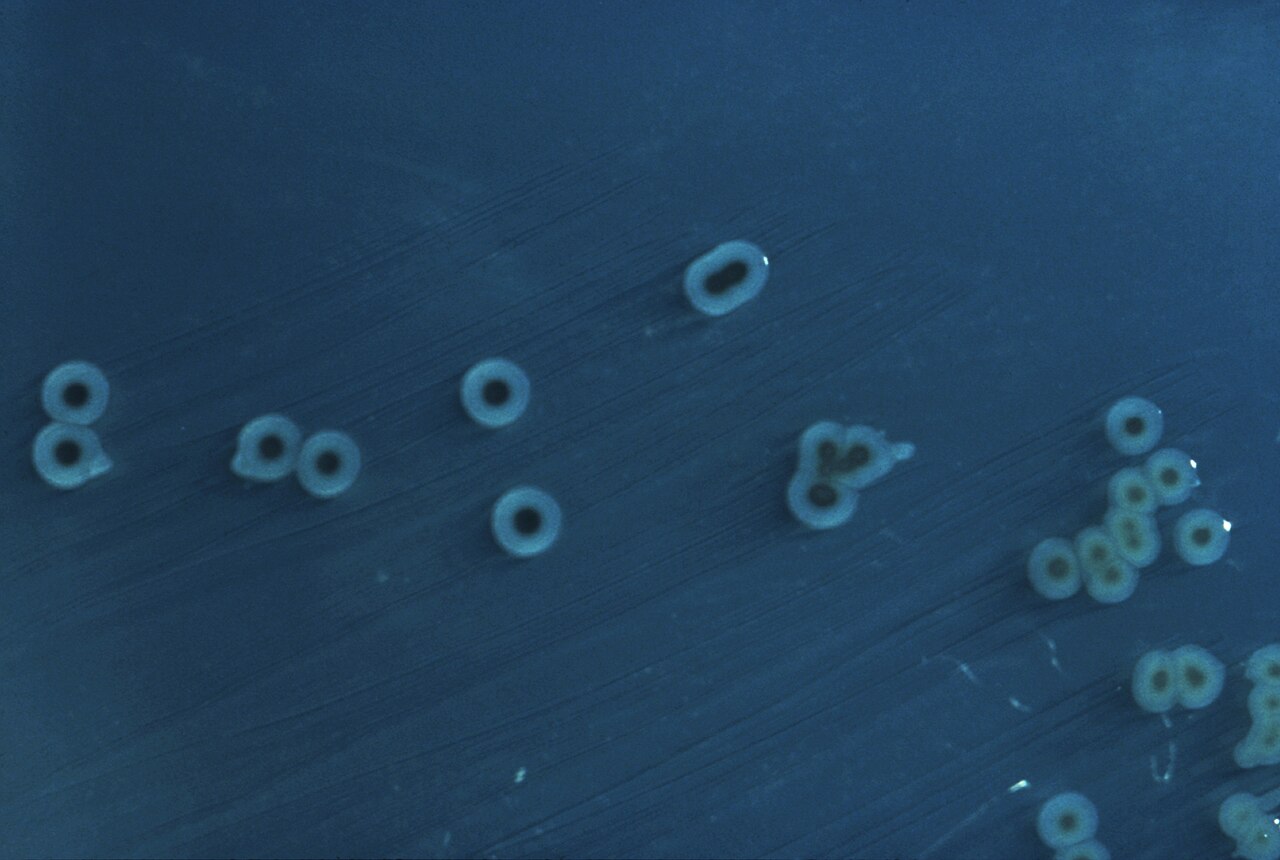
The Widal reaction detects agglutinating antibodies against the O and H antigens of Salmonella. It is cheap, fast and widely used in countries with few resources. It is also the classic example of a test that seems to answer and does not.
The problem of the positive predictive value
In Ethiopia, a study of 270 febrile patients with a picture compatible with typhoid fever found a prevalence of 4.1 per 100 by blood culture (Andualem and colleagues, 2014). The Widal reaction was suggestive of recent infection in 88 patients, or 32.6 per 100.
Sensitivity was 71.4 per 100, specificity 68.44 per 100, positive predictive value 5.7 per 100 and negative predictive value 98.9 per 100 (Andualem and colleagues, 2014). In other words, of every 100 people with a positive Widal, about 94 did not have typhoid fever by culture. The authors conclude that the test has low sensitivity, specificity and positive predictive value, but good negative predictive value.
The cutoff point changes everything
In Tanzania, among 1680 hospitalized febrile children, only 16, or 1 per 100, had typhoid fever confirmed by culture (Ley and colleagues, 2010). An anti-H titer of 1:80 or higher was the best cutoff point, with sensitivity of 75 per 100, specificity of 98 per 100 and negative predictive value of 100 per 100.
Even so, the positive predictive value was only 26 per 100 (Ley and colleagues, 2010). With high specificity, the problem remains: when the disease is rare, most positives are false. The authors conclude that a test with a better positive predictive value and equally simple is desirable.
When Widal helps and when it gets in the way
An Indian study with 180 febrile patients compared rapid antigen and antibody tests with the Widal reaction, using blood culture as the reference. Culture was positive in 58, or 32.22 per 100 (Saini and Duggal, 2022). In the first five days of fever, accuracy was similar across the three: 45.56, 42.22 and 41.11 per 100.
After the fifth day, the antigen test dropped to 15 per 100, while the antibody test reached 61.11 and Widal reached 66.11 per 100 (Saini and Duggal, 2022). The stage of the disease changes the performance of each test. Antibodies need time to appear, and a serological test done early tends to fail.
In the pediatric review with a Bayesian model, adding the Widal reaction to other tests did not meaningfully improve performance compared with the test alone (Arora and colleagues, 2019). Widal rarely adds what is missing.
| Test | What the evidence shows | How to use the result |
|---|---|---|
| Blood culture | Sensitivity of 0.59, lower with small volume, prior antibiotic and after the first week | Positive confirms; negative does not exclude when suspicion is high |
| Widal reaction | Positive predictive value of 5.7 to 26 per 100 in low-prevalence scenarios | Positive alone does not confirm; negative reduces the probability |
| Rapid antibody tests | Moderate accuracy, with mean sensitivity between 69 and 84 per 100 | They add information, but do not replace culture |
| Clinical signs | High sensitivity only at the cost of very low specificity | They keep the hypothesis alive, they do not confirm it |
What rapid tests can do
Rapid tests emerged to fill the lack of culture in endemic areas. The evidence shows that they help, but less than needed.
The Cochrane review
A Cochrane review gathered 37 studies with 5080 participants, with prevalence of enteric fever between 1 and 75 per 100 (Wijedoru and colleagues, 2017). The three main families of rapid tests had mean sensitivity of 78, 69 and 84 per 100, and specificity of 87, 90 and 79 per 100.
The authors translated these numbers into a hypothetical cohort of 1000 febrile patients, 300 of them with enteric fever. The tests would fail to diagnose between 66 and 93 patients and would give a false diagnosis to between 70 and 161 of the 700 without the disease (Wijedoru and colleagues, 2017). The certainty of the evidence was low, and few studies had low risk of bias.
The design of the studies explains part of this uncertainty. Only three used the most rigorous reference standard, only 11 recruited febrile patients without prior selection, most were done in Asia and five came from sub-Saharan Africa (Wijedoru and colleagues, 2017). All the tests evaluated were designed to detect only S. Typhi, which leaves paratyphoid fever out of reach of these exams.
The most recent multicenter study
In Pakistan and Kenya, a study evaluated nine commercial rapid tests, including the Widal reaction, in 531 serum samples: 264 with positive blood culture and 267 with negative blood culture (Sapkota and colleagues, 2022). Sensitivity ranged from 0 to 78.8 per 100, and the best test had sensitivity of 72.7 and specificity of 86.5 per 100.
In latent class analysis, which corrects for the fact that culture also errs, the highest sensitivity was 79.1 per 100, and the most accurate test came in at 73.8 sensitivity and 94.5 specificity (Sapkota et al., 2022). The authors conclude that all tests fell below the levels needed for recommendation. Performance differences between the two endemic regions were minimal (Sapkota et al., 2022), which suggests the problem lies in the tests, not in the place where they are used.


Children and what an ideal test would need
In children, a review with a Bayesian model analyzed 510 comparisons from 196 studies, 57 of them pediatric (Arora et al., 2019). IgM-based tests outperformed IgG-based ones in ELISA techniques and in one of the rapid tests. A lateral flow test for IgG had sensitivity of 92 per 100 and specificity of 94 per 100, and the authors note that most of the data come from South Asia.
To guide the development of new tests, a group of experts defined what an improved diagnostic test would need to achieve: sensitivity of 90 per 100 or more and specificity of 95 per 100 or more, with a result in under 15 minutes (Mather et al., 2019). The same work recalls that typhoid fever had about 10.9 million new cases and 116,800 deaths in 2017, and that the rapid tests used today, with poor sensitivity and specificity, contribute to antibiotic overuse and to the spread of multidrug-resistant strains (Mather et al., 2019). Available tests still do not reach the desired profile, and the cost of error is not only individual.
In the same pediatric review, the most sensitive test for children in South Asia was reverse passive hemagglutination, with sensitivity of 99 per 100, and combining a lateral flow test for IgG with another assay increased sensitivity without significant loss of specificity (Arora et al., 2019). The authors note that evidence from other important regions is still limited, which makes it hard to generalize these numbers.


How to decide with a result that is not reliable
If no test is enough on its own, the decision must combine information. This is the kind of situation where reasoning is worth more than the result.
Start with the probability, not the test
The first step is to estimate the probability before the test. Return from South Asia, prolonged fever without a focus, relative bradycardia and absence of eosinophils raise the suspicion (Matono et al., 2017). In someone who has not traveled to an endemic area and has another explanation for the fever, the probability is low, and a positive Widal is probably false.
With this estimate, each result can be interpreted. In a low-prevalence setting, a positive Widal changes the probability little, because the positive predictive value was 5.7 to 26 per 100 in the studies (Andualem et al., 2014). A negative result, on the other hand, has a high negative predictive value.
Collect well and collect early
Blood culture should be collected before the antibiotic whenever possible and with an adequate volume, because sensitivity depends on volume and falls after antibiotic use (Antillon et al., 2018). In practice, this means not starting an empirical antibiotic without first collecting the culture, except in a severe situation that does not allow waiting.
Think about what else it could be
Diagnostic uncertainty here is real, and it has two sides. Treating typhoid fever in someone who has malaria, dengue or rickettsiosis delays the right treatment. Not treating someone who has typhoid fever exposes them to complications. In the traveler returning from India with fever, malaria must be ruled out promptly, and the list of differentials must be reviewed with every new piece of data.
Organizing this list in the medical record helps the team see why each test was ordered and what each result changed. The final decision on treating, admitting or waiting follows the logic of clinical decision-making: the cost of being wrong in each direction weighs as much as the probability.
Common mistakes
Treating a positive Widal as a diagnosis, without considering prevalence. Ruling out typhoid fever because of a negative blood culture in someone who has already taken antibiotics. Collecting too little blood. Interpreting a rapid antibody test done in the first days as if it were definitive. Labeling every prolonged fever as typhoid fever in an endemic area, as the Nepal study showed (Andrews et al., 2018).
How NEXO helps train this reasoning
In NEXO, the case of the day is fictional, with a real clinical presentation and up to six progressive clues, and you propose the diagnosis by searching for the ICD-10 code.
The limits of using the game are described on the NEXO Economy page. If you research the teaching of clinical reasoning, the Researcher page explains how to get in touch. Professionals who write or review cases find information on the Curator and Creators pages, and institutions can learn about the proposal on the partnerships page. Training differential diagnosis with clues and searching for the right ICD-10 code complete this practice.
Frequently asked questions
Does a positive Widal confirm typhoid fever?
No. In low-prevalence settings, the positive predictive value was 5.7 per 100 in Ethiopia (Andualem et al., 2014) and 26 per 100 in Tanzania (Ley et al., 2010).
Does a negative blood culture rule out the disease?
No. The sensitivity of blood culture is 0.59 and falls with prior antibiotics and after the first week (Antillon et al., 2018).
Do rapid tests replace culture?
No. The Cochrane review found moderate accuracy and low certainty (Wijedoru et al., 2017), and none of the nine tests evaluated in a multicenter study reached the level required for recommendation (Sapkota et al., 2022).
Is there a typical clinical sign?
Relative bradycardia and eosinopenia are more frequent in enteric fever, but they are not specific (Matono et al., 2017). The absence of cough was the most sensitive feature, still at 65.5 per 100 (Aiemjoy et al., 2020).
Why does the timing of the test matter?
Because antigens and antibodies appear at different stages. After the fifth day of fever, the antigen test had an accuracy of 15 per 100, and antibody tests, above 60 per 100 (Saini and Duggal, 2022).
Take-home messages
- The clinical picture suggests but does not confirm: classic signs have low specificity.
- The travel destination weighs more than any single sign.
- A positive blood culture confirms; a negative one does not rule out, especially after antibiotics.
- Collect the culture before antibiotics and with an adequate volume.
- An isolated positive Widal is not a diagnosis where the disease is uncommon.
- Rapid tests help little and do not replace culture.
References
- Aiemjoy K, Tamrakar D, Saha S, et al. Diagnostic Value of Clinical Features to Distinguish Enteric Fever From Other Febrile Illnesses in Bangladesh, Nepal, and Pakistan. Clin Infect Dis. 2020. PMID 33258936.
- Andrews JR, Vaidya K, Bern C, et al. High Rates of Enteric Fever Diagnosis and Lower Burden of Culture-Confirmed Disease in Peri-urban and Rural Nepal. J Infect Dis. 2018. PMID 28961918.
- Andualem G, Abebe T, Kebede N, et al. A comparative study of Widal test with blood culture in the diagnosis of typhoid fever in febrile patients. BMC Res Notes. 2014. PMID 25231649.
- Antillon M, Saad NJ, Baker S, et al. The Relationship Between Blood Sample Volume and Diagnostic Sensitivity of Blood Culture for Typhoid and Paratyphoid Fever: A Systematic Review and Meta-Analysis. J Infect Dis. 2018. PMID 30307563.
- Arora P, Thorlund K, Brenner DR, et al. Comparative accuracy of typhoid diagnostic tools: A Bayesian latent-class network analysis. PLoS Negl Trop Dis. 2019. PMID 31067228.
- Ley B, Mtove G, Thriemer K, et al. Evaluation of the Widal tube agglutination test for the diagnosis of typhoid fever among children admitted to a rural hdospital in Tanzania and a comparison with previous studies. BMC Infect Dis. 2010. PMID 20565990.
- Mather RG, Hopkins H, Parry CM, et al. Redefining typhoid diagnosis: what would an improved test need to look like? BMJ Glob Health. 2019. PMID 31749999.
- Matono T, Kutsuna S, Kato Y, et al. Role of classic signs as diagnostic predictors for enteric fever among returned travellers: Relative bradycardia and eosinopenia. PLoS One. 2017. PMID 28644847.
- Saini V, Duggal N. Comparison of rapid tests (antigen vs. antibody) for the diagnosis of typhoid in the first and second weeks of fever. J Family Med Prim Care. 2022. PMID 36387692.
- Sapkota J, Hasan R, Onsare R, et al. Comparative Analysis of Commercially Available Typhoid Point-of-Care Tests: Results of a Prospective and Hybrid Retrospective Multicenter Diagnostic Accuracy Study in Kenya and Pakistan. J Clin Microbiol. 2022. PMID 36448816.
- Wijedoru L, Mallett S, Parry CM. Rapid diagnostic tests for typhoid and paratyphoid (enteric) fever. Cochrane Database Syst Rev. 2017. PMID 28545155.