Exercise in hypertension: aerobic, resistance, isometric



Table of contents
- Why the type of exercise matters in hypertension
- How much exercise lowers blood pressure
- Aerobic, resistance and isometric: what each offers
- Ambulatory blood pressure and acute effect
- Where exercise fits into treatment
- The limits of the evidence
- How to prescribe in practice
- How NEXO helps train this reasoning
- Frequently asked questions
- Take-home messages
- References
A 52-year-old ride-hailing driver was diagnosed with stage 1 hypertension three months ago. He measured his blood pressure at home for a week, the values confirmed the diagnosis, and his calculated cardiovascular risk came out low. He wants to try to "solve it without medication" and asks what he should do: walk, join a gym or use that hand-grip device he saw in a video.
The question seems simple, but each of these options has different evidence. There are dozens of clinical trials on aerobic exercise, a growing number on strength training and a smaller but striking body of evidence on isometric exercise. The effects vary with the type of training, with starting blood pressure and with how it is measured.
This text shows how much each modality lowers blood pressure, what the most recent meta-analyses add, where exercise fits alongside drug treatment and how to turn the recommendation into a prescription.
Key points
- A meta-analysis of 93 trials showed a drop in blood pressure with aerobic, dynamic resistance and isometric training (Cornelissen, 2013).
- In people with hypertension, aerobic training reduced systolic pressure by 8.3 mmHg on average (Cornelissen, 2013).
- In an analysis of 270 trials, isometric training had the largest average drop in systolic pressure, with fewer studies and a wider confidence interval (Whelton, 2025).
- Exercise also lowers 24-hour ambulatory blood pressure, which predicts risk better (Saco-Ledo, 2020).
- The American guideline recommends non-drug measures for all adults with raised blood pressure or hypertension, including those on medication (Arnett, 2019).
- The best modality is usually the combination the patient can keep up.
Summary
- Why the type of exercise matters in hypertension
- How much exercise lowers blood pressure
- Aerobic, resistance and isometric: what each one offers
- Ambulatory blood pressure and the acute effect
- Where exercise fits in treatment
- The limits of the evidence
- How to prescribe in practice
- How NEXO helps train this reasoning
- Frequently asked questions
- Take-home messages
Why the type of exercise matters in hypertension
Hypertension is one of the main modifiable risk factors for coronary artery disease, stroke and heart failure (Cornelissen, 2013). Exercise appears in every guideline as part of treatment, but the recommendation usually comes generically, as "be physically active", without saying which activity, how often and for how long.
This lack of detail has consequences. Each modality engages the cardiovascular system differently, and the expected drop in blood pressure changes from one to another (Whelton, 2025). Knowing the difference helps to choose, to combine and to explain to the patient what to expect.
Three groups of exercise appear in the trials:
- Aerobic: walking, running, cycling, swimming and dancing, with repeated contractions of large muscle groups (Whelton, 2025).
- Dynamic resistance: weight training, push-ups, squats, with joint movement against a load (Whelton, 2025).
- Isometric: a sustained contraction against a fixed resistance, without changing muscle length, such as handgrip, wall sit and plank (Whelton, 2025).
Added to these are combined training, which joins aerobic and strength work, and high-intensity interval training, which alternates short, intense efforts with rest periods.
How much exercise lowers blood pressure
The reference meta-analysis
The meta-analysis by Cornelissen and Smart gathered 93 trials with 5223 adult participants (Cornelissen, 2013). Systolic pressure fell 3.5 mmHg with aerobic training, 1.8 mmHg with dynamic resistance and 10.9 mmHg with isometric training, with no significant drop with combined training (Cornelissen, 2013).
The effect of aerobic training depended on starting blood pressure. In groups with hypertension, the drop was 8.3 mmHg in systolic and 5.2 mmHg in diastolic pressure, much larger than in groups with normal blood pressure (Cornelissen, 2013). This pattern repeats in almost every analysis: those with higher blood pressure gain more.
The broadest analysis
A network meta-analysis of 270 trials, with 15,827 participants, expanded this comparison (Whelton, 2025). In direct comparisons, systolic and diastolic reductions were 4.49 and 2.53 mmHg with aerobic, 4.55 and 3.04 mmHg with dynamic resistance, 6.04 and 2.54 mmHg with combined training, 4.08 and 2.50 mmHg with interval, and 8.24 and 4.00 mmHg with isometric (Whelton, 2025).
The volume of evidence is uneven. There were 182 aerobic trials and only 24 isometric trials, which left the confidence interval for isometric much wider (Whelton, 2025). Within aerobic, walking reduced systolic by 2.85 mmHg, and cycling and running by about 6.9 mmHg (Whelton, 2025).
A recent analysis with a different result
A network meta-analysis published in 2026, with 105 trials in adults with raised blood pressure or hypertension, reached another order (Xin, 2026). Combined training reduced systolic by 12.05 mmHg and interval by 10.97 mmHg, while aerobic, isometric and strength alone had smaller effects (Xin, 2026).
The same analysis found a U-shaped relationship between exercise volume and blood pressure reduction, with greater benefit near 830 MET-minutes per week (Xin, 2026). The authors' conclusion is that all modalities reduce blood pressure significantly (Xin, 2026).
The divergence between the analyses on which modality leads is, in itself, useful information. It shows that the differences between modalities are smaller and more uncertain than the difference between exercising and not exercising.
Aerobic, resistance and isometric: what each offers
The table summarizes the main data for each modality.
| Modality | Example | Average systolic reduction in the trials | Strength of evidence |
|---|---|---|---|
| Aerobic | Brisk walking, cycling, running | 4.49 mmHg in the analysis of 270 trials (Whelton, 2025) | Largest number of trials |
| Dynamic resistance | Weight training, push-ups, squats | 4.55 mmHg in the same analysis (Whelton, 2025) | Moderate |
| Combined | Aerobic and strength in the same week | 6.04 mmHg in the same analysis (Whelton, 2025) | Moderate |
| Interval | Short bursts with pauses | 4.08 mmHg in the same analysis (Whelton, 2025) | Moderate |
| Isometric | Handgrip, wall squat | 8.24 mmHg in the same analysis (Whelton, 2025) | Few trials, wide interval |
Aerobic
Aerobic training is the basis of the recommendation, because it has the largest number of trials and brings benefits beyond blood pressure. It was the only modality with a significant reduction in ambulatory blood pressure in a meta-analysis of hypertensive patients (Saco-Ledo, 2020). Intensity seems to matter: cycling and running had a greater effect than walking (Whelton, 2025).
Dynamic resistance
Strength training reduced blood pressure in 14 studies with 253 hypertensive patients (Correia, 2023). The effect was stronger with moderate to vigorous load, above 60 per 100 of a maximum repetition, at least twice a week and for at least 8 weeks (Correia, 2023).
Strength training has a practical advantage. It preserves muscle mass and functionality, which weighs heavily in older people, and can be combined with aerobic training in the same week.
Isometric
Isometric is the most attention-grabbing. In a meta-analysis of 12 studies with 415 hypertensive patients, isometric training reduced systolic by 7.47 mmHg and diastolic by 3.17 mmHg (Baffour-Awuah, 2023). An earlier meta-analysis, with 11 trials and 302 participants, found a reduction of 5.20 mmHg in systolic (Inder, 2016).
The most studied protocol is simple: squeeze a handgrip device with one hand at 30 per 100 of maximum contraction, in four sets of 2 minutes, with pauses, three times a week (Baffour-Awuah, 2023). Programs of 8 weeks or more had a greater reduction, of 7.26 mmHg in systolic (Inder, 2016).
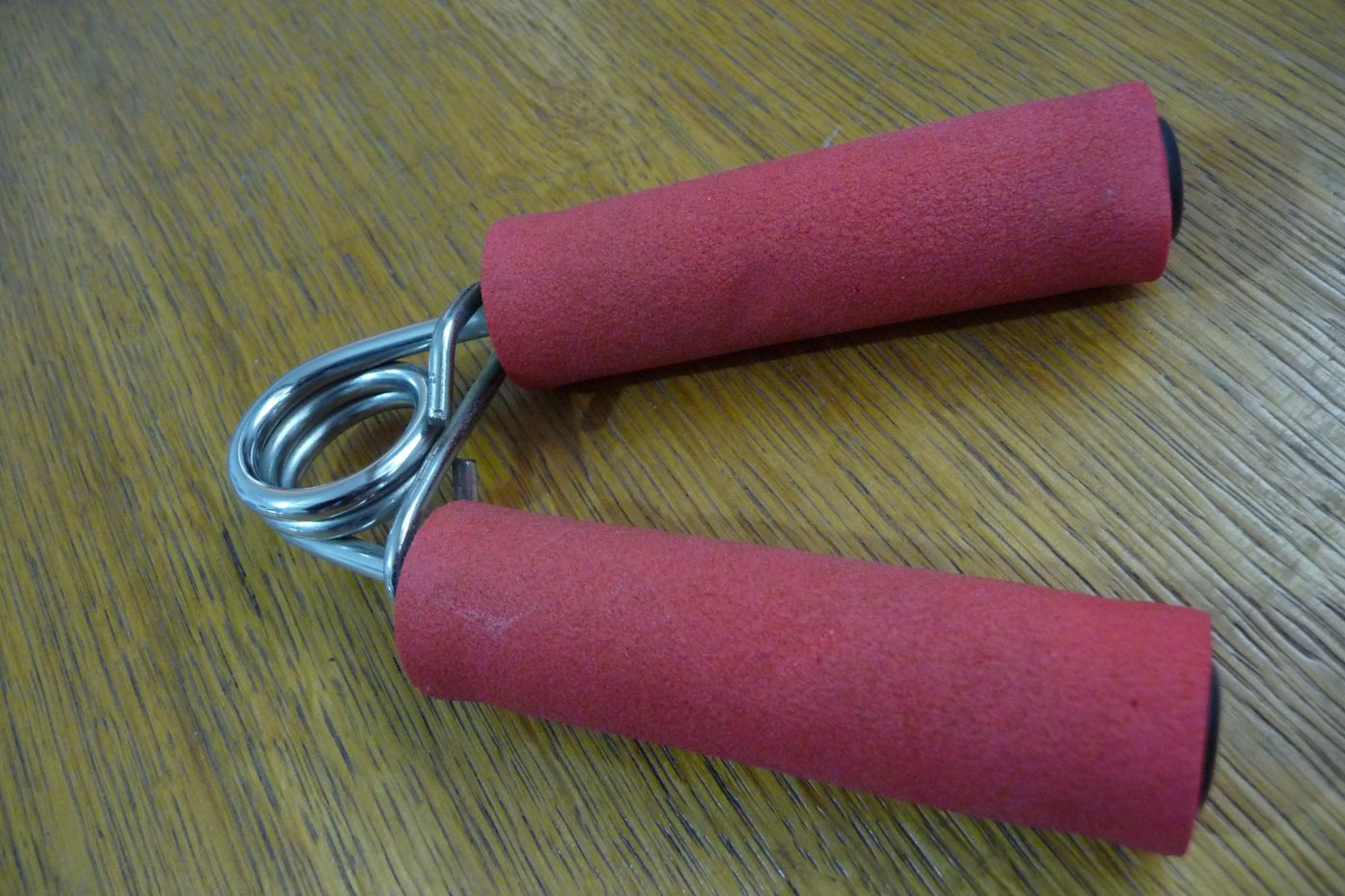
The enthusiasm deserves caution. Ambulatory 24-hour and daytime blood pressure showed no significant reduction with isometric, although nighttime fell (Baffour-Awuah, 2023). And the number of participants studied is still small compared with aerobic.
Ambulatory blood pressure and acute effect
24-hour blood pressure
Blood pressure measured in the office is only a snapshot. 24-hour ambulatory monitoring predicts cardiovascular events and mortality better (Saco-Ledo, 2020). That is why it matters to know whether exercise also lowers blood pressure outside the office.
A meta-analysis of 15 studies with 910 people with hypertension answered yes (Saco-Ledo, 2020). Exercise lowered 24-hour blood pressure by 5.4 mmHg systolic and 3.0 mmHg diastolic, and nighttime blood pressure by 4.7 and 3.1 mmHg (Saco-Ledo, 2020). The interventions lasted from 8 to 24 weeks, with 3 to 5 sessions per week (Saco-Ledo, 2020).
One finding stands out: the benefit was significant in patients who were taking medication, and the authors conclude that aerobic exercise is a good adjunct to drug treatment (Saco-Ledo, 2020). This reinforces that exercise and medication add up rather than compete.
The effect of a single session
Even a single session lowers blood pressure in the following hours. A meta-analysis of 65 studies found an average drop of 4.80 mmHg systolic and 3.19 mmHg diastolic after exercise (Carpio-Rivera, 2016). The drop appeared in all subgroups, and it was greater in physically active people and in those not taking antihypertensive medication (Carpio-Rivera, 2016).
This acute effect helps explain the recommendation to exercise on most days of the week. During exertion, blood pressure rises, especially systolic, but soon afterward it falls below the resting value (Whelton, 2025). The mechanisms include lower sympathetic activity, better endothelial function and a drop in peripheral vascular resistance (Whelton, 2025).
For the patient, this information has practical value. Blood pressure measured right after training tends to come out lower, and it is worth advising that home measurements follow the usual protocol, away from exercise.
Where exercise fits into treatment
The American prevention guideline recommends non-pharmacological measures for all adults with raised blood pressure or hypertension, including those already taking antihypertensive medication (Arnett, 2019). In raised blood pressure, these measures are the preferred treatment; in stage 1 hypertension with 10-year cardiovascular risk below 10 per 100, they are an appropriate first line (Arnett, 2019).
The same guideline recommends at least 150 minutes per week of moderate activity or 75 minutes of vigorous activity (Arnett, 2019). The WHO guideline adds muscle-strengthening activities on 2 or more days per week (Bull, 2020). For those who do not reach these targets, doing less already brings benefit (Arnett, 2019).
The guideline also reminds us to reassess adherence and the effect of non-pharmacological measures in 3 to 6 months (Arnett, 2019). This timeframe gives structure to the decision: the patient tries, measures, and the approach is reviewed with data. The logic is the same as using time as a test, with a defined timeframe and criterion.
For the driver in the scene, with stage 1 and low risk, starting with exercise and the other lifestyle measures is consistent with the guideline. If blood pressure remains above target at reassessment, medication is added, and exercise continues.
The conversation also works in the opposite direction. In someone already taking several antihypertensives who has improved a lot with exercise and weight loss, reviewing the regimen may be appropriate, with the same care of deciding together what to withdraw.
Exercise does not act alone. Combining exercise with the other non-pharmacological measures, such as sodium reduction, dietary pattern and moderation of alcohol, increases the drop in blood pressure (Arnett, 2019). In people with obesity, monitoring weight loss also counts toward blood pressure.
The limits of the evidence
The numbers from the meta-analyses are averages from trials with very different populations, protocols and durations. Some problems recur:
- Few isometric trials. The largest average drop came from the modality with the fewest studies and the widest confidence interval (Whelton, 2025).
- Rankings that change. One analysis placed isometric exercise at the top, and another placed combined and interval training there (Xin, 2026).
- Office blood pressure. Most trials measure blood pressure in the office, and the effect of isometric exercise on 24-hour blood pressure is still uncertain (Baffour-Awuah, 2023).
- Surrogate outcomes. The trials measure blood pressure, and the reduction in cardiovascular events is inferred from it.
- Implementation. How to keep people exercising in the long term remains a major area of uncertainty (Whelton, 2025).
Interpreting an average drop calls for the same care as adjusting the estimate to the patient. The expected drop is larger in those who start from higher pressure and smaller in those already near target (Cornelissen, 2013).
The question of the surrogate outcome is the same one discussed in other prevention topics, such as the relationship between exposure and risk in smoking. Pressure is a good marker, but clinical decisions look at overall risk.
How to prescribe in practice
Before prescribing
The assessment starts by confirming the diagnosis with measurements outside the office and estimating overall cardiovascular risk. In those with symptoms on exertion, known cardiovascular disease or very high pressure, clinical assessment comes before starting vigorous exercise.
It is also worth asking what the patient already does, what they enjoy and what fits their routine. A prescription that ignores real life tends to be abandoned, and listening to the patient's schedule helps set goals they can meet.
The prescription
A prescription consistent with the guidelines and the trials can have three blocks:
- Aerobic on most days, totaling at least 150 minutes per week at moderate intensity (Arnett, 2019).
- Strength on 2 or more days per week, involving the large muscle groups (Bull, 2020), with moderate to vigorous load according to tolerance (Correia, 2023).
- Isometric as an optional complement, in the handgrip protocol studied in the trials, three times per week (Baffour-Awuah, 2023).
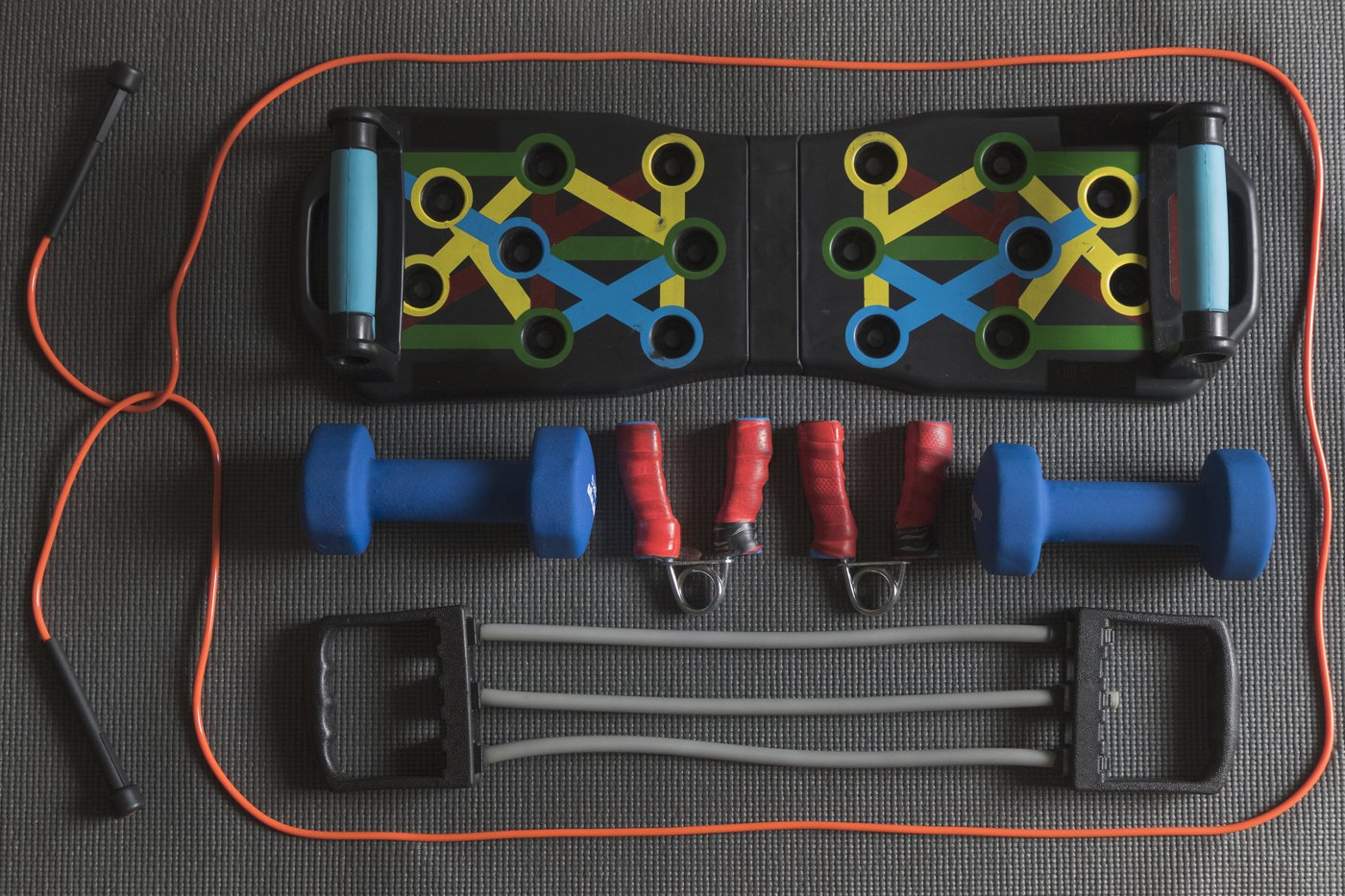
Isometric exercise has a clear practical advantage: it takes a few minutes and fits anywhere. For someone with little time, it can be an entry point, but it should complement, not replace, aerobic and strength exercise, which have broader cardiovascular and functional benefits.
Progression and safety
Starting with low volume and increasing gradually reduces discomfort and dropout. In resistance training, advising the patient to breathe during the effort, without holding their breath, avoids unnecessary pressure spikes.
Intensity can rise over time. The effect of aerobic exercise was greater with cycling and running than with walking (Whelton, 2025), and interval training performed well in a recent analysis (Xin, 2026). For those who tolerate it, intensifying part of the sessions is an option.
Dizziness when stopping exercise calls for attention, especially in those taking several antihypertensive drugs. Most of the time it reflects the post-exertion drop in pressure, but symptoms such as syncope or chest pain require assessment, with the same reasoning as separating syncope of cardiac cause.
Follow-up
Reassessment at 3 to 6 months should look at two things: whether the patient is doing what was agreed and whether pressure has fallen (Arnett, 2019). Recorded home measurements help show the trend and avoid decisions based on a single office measurement.
When adherence fails, the focus is on understanding the barrier. Techniques such as motivational interviewing help recognize ambivalence and change talk, instead of repeating the same recommendation.
It is also worth avoiding excess in the other direction. Routine tests and referrals before moderate exercise, in those without symptoms or known disease, rarely change management and can generate cascades of care.
A script for the driver in the scene
For the 52-year-old driver, the conversation can follow a simple order. First, explain that exercise lowers pressure consistently, on average by a few millimeters of mercury, and more in those who start from higher values (Cornelissen, 2013).
Second, agree on brisk walking on most days, taking advantage of breaks between rides, and two weekly strength sessions with body weight or dumbbells. Third, if he wants, add the handgrip device three days per week, in the trial protocol (Baffour-Awuah, 2023).
Fourth, ask for home measurements on fixed days and schedule a return visit within the guideline timeframe (Arnett, 2019). Fifth, make it clear that, if pressure remains high, medication comes in, and that does not mean the exercise failed.
Common mistakes
The first mistake is prescribing vaguely. "Exercise" rarely changes behavior; type, days, duration and intensity defined together with the patient are more likely to work, and the guidelines give concrete parameters for this (Arnett, 2019).
The second mistake is treating isometric exercise as a shortcut that replaces everything else. It has good results in a few trials, but aerobic and strength training have broader evidence and benefits that go beyond blood pressure (Whelton, 2025).
The third mistake is postponing medication indefinitely. When blood pressure remains above target after the agreed period, keeping only exercise exposes the patient to avoidable risk, and reassessment exists precisely for this decision (Arnett, 2019).
The fourth mistake is judging the effect by a single measurement. Blood pressure varies throughout the day and falls in the hours after training (Carpio-Rivera, 2016), so the trend of home measurements is worth more than one isolated number in the office.
How NEXO helps train this reasoning
In NEXO, the case of the day is fictional, with a real clinical presentation and up to six progressive clues, and you propose the diagnosis by searching for the ICD-10 code.
The limits of use of the game are described on the NEXO economy page. If you research the teaching of clinical reasoning, the page for researchers explains how to get in touch. Professionals who write or review cases find information on curation and on creators, and institutions can learn about the proposal on the partnerships page. For the most frequent reasons for consultation, see the most common codes in primary care.
Frequently asked questions
Can exercise replace blood pressure medication?
In raised blood pressure and in stage 1 hypertension with low risk, lifestyle measures can be the first line (Arnett, 2019). In other cases, exercise adds to medication, and the benefits on ambulatory blood pressure appeared precisely in patients on medication (Saco-Ledo, 2020).
Which exercise lowers blood pressure the most?
The analyses disagree on the order. One placed isometric exercise at the top (Whelton, 2025), and another placed combined and interval training (Xin, 2026). All modalities lower blood pressure, and the best one is usually the one the patient keeps up.
Does the handgrip device really work?
It works in the trials: isometric training reduced systolic pressure by 7.47 mmHg in people with hypertension (Baffour-Awuah, 2023). Even so, the studies are few and small, and the effect on 24-hour blood pressure is uncertain.
Is strength training dangerous for people with hypertension?
Strength training reduced blood pressure in people with hypertension in the trials (Correia, 2023). The care is to progress gradually and breathe during exertion, and very high blood pressure or symptoms call for assessment beforehand.
How long does it take for blood pressure to fall?
A single session already reduces blood pressure in the following hours (Carpio-Rivera, 2016). The training effect appears within weeks, and the ambulatory blood pressure trials lasted from 8 to 24 weeks (Saco-Ledo, 2020).
How much exercise is needed per week?
The recommendation is at least 150 minutes of moderate activity or 75 of vigorous activity (Arnett, 2019), with strength training on 2 or more days (Bull, 2020). Doing less than that already brings some benefit.
Take-home messages
- Exercise lowers blood pressure with aerobic, strength, combined, interval and isometric training.
- The drop is greater in those who start from higher blood pressure.
- Aerobic exercise has the broadest evidence and also lowers 24-hour blood pressure.
- Isometric exercise produced large drops in a few trials, and it is worth using as a complement.
- Non-pharmacological measures apply to all people with hypertension, with or without medication.
- Reassessment in 3 to 6 months gives structure to the decision on starting or adjusting medication.
- The best prescription is the one the patient can keep up.
Play the case of the day on NEXO.
References
- Cornelissen VA, Smart NA. Exercise training for blood pressure: a systematic review and meta-analysis. J Am Heart Assoc. 2013. PMID 23525435. DOI 10.1161/JAHA.112.004473.
- Whelton PK, Vinceti M, Filippini T. Dietary and Physical Activity Approaches to the Management of High Blood Pressure. Curr Atheroscler Rep. 2025. PMID 41137949. DOI 10.1007/s11883-025-01351-6.
- Xin X, Guo Y, Wang M, et al. Optimal Exercise Modalities and Dosages for Blood Pressure Reduction in Adults With Prehypertension and Established Hypertension: A Network Meta-Analysis and Dose-Response Relationship Study. J Am Heart Assoc. 2026. PMID 42132182. DOI 10.1161/JAHA.125.044003.
- Saco-Ledo G, Valenzuela PL, Ruiz-Hurtado G, et al. Exercise Reduces Ambulatory Blood Pressure in Patients With Hypertension: A Systematic Review and Meta-Analysis of Randomized Controlled Trials. J Am Heart Assoc. 2020. PMID 33280503. DOI 10.1161/JAHA.120.018487.
- Baffour-Awuah B, Pearson MJ, Dieberg G, et al. Isometric Resistance Training to Manage Hypertension: Systematic Review and Meta-analysis. Curr Hypertens Rep. 2023. PMID 36853479. DOI 10.1007/s11906-023-01232-w.
- Inder JD, Carlson DJ, Dieberg G, et al. Isometric exercise training for blood pressure management: a systematic review and meta-analysis to optimize benefit. Hypertens Res. 2016. PMID 26467494. DOI 10.1038/hr.2015.111.
- Correia RR, Veras ASC, Tebar WR, et al. Strength training for arterial hypertension treatment: a systematic review and meta-analysis of randomized clinical trials. Sci Rep. 2023. PMID 36604479. DOI 10.1038/s41598-022-26583-3.
- Carpio-Rivera E, Moncada-Jiménez J, Salazar-Rojas W, et al. Acute Effects of Exercise on Blood Pressure: A Meta-Analytic Investigation. Arq Bras Cardiol. 2016. PMID 27168471. DOI 10.5935/abc.20160064.
- Arnett DK, Blumenthal RS, Albert MA, et al. 2019 ACC/AHA Guideline on the Primary Prevention of Cardiovascular Disease: A Report of the American College of Cardiology/American Heart Association Task Force on Clinical Practice Guidelines. Circulation. 2019. PMID 30879355. DOI 10.1161/CIR.0000000000000678.
- Bull FC, Al-Ansari SS, Biddle S, et al. World Health Organization 2020 guidelines on physical activity and sedentary behaviour. Br J Sports Med. 2020. PMID 33239350. DOI 10.1136/bjsports-2020-102955.