Ticks on the move: diseases in new places
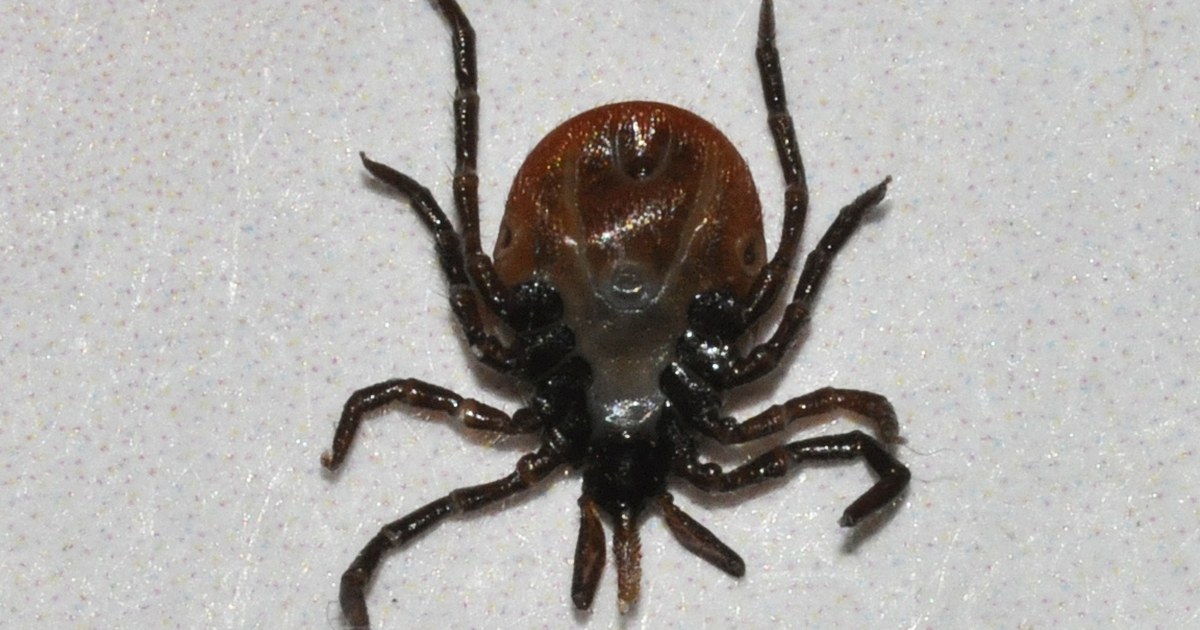
Table of contents
- What is changing in tick distribution
- Lyme disease: more diagnoses and more areas
- Brazil: spotted fever and the star tick
- What models can and cannot predict
- Recognizing Lyme disease outside the classic area
- Clinical reasoning when facing a possible tick-borne disease
- How NEXO helps train this reasoning
- Frequently asked questions
- Take-home messages
- References
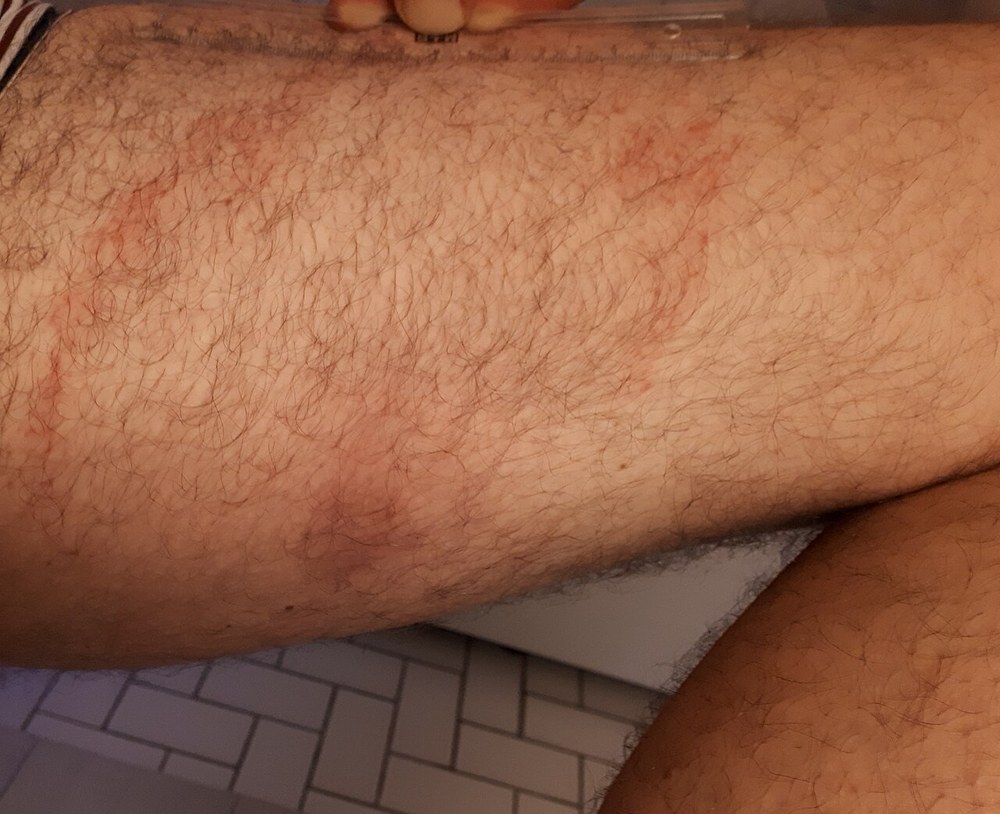
A 41-year-old woman comes to the primary care clinic two weeks after returning from a work trip to northern Europe, where she hiked in forested areas. She shows a red patch on her thigh that grew slowly, without pain, and reports having had fatigue and body aches for a few days. She does not remember being bitten. The doctor thinks of an allergic reaction, then of cellulitis. The question that was missing was simple: where have you been and what did you do there?
Ticks do not respect old maps. In Europe, North America and Brazil, species that transmit diseases are appearing in areas where they were once rare or absent. Climate plays a role in this, but it is not the only factor. Changes in the landscape, in host animals and in human behavior weigh just as much, and sometimes more.
This text organizes what is known about this expansion, what it means for those who see patients and how to recognize tick-borne diseases when they appear outside the expected place.
Key points
- Tick vectors of disease are reaching higher latitudes and altitudes in Europe and North America.
- Climate contributes, but landscape, hosts and socioeconomic factors also explain the expansion.
- Diagnoses of Lyme disease in the United States have increased and spread across more counties.
- In Brazil, spotted fever in São Paulo is severe and is linked to capybaras and changes in the landscape.
- Erythema migrans is present in more than 80 out of every 100 patients with Lyme.
- The history of exposure and travel is what most helps to remember these diseases.
What is changing in tick distribution
In Europe, the main vector of tick-borne diseases is Ixodes ricinus, responsible for Lyme borreliosis and tick-borne encephalitis. A European review estimated about 65 thousand cases of Lyme borreliosis per year in the European Union, the largest burden among vector-borne diseases in the bloc (Semenza and Suk, 2018). The same review links climate change to the movement of these ticks to higher altitudes and latitudes.
A review on the impact of climate on European ticks described the spread of Ixodes ricinus northward and to higher areas, accompanied by an increase in tick-borne encephalitis (Gray and colleagues, 2009). The climate suitability models reviewed by the authors predicted that eight important tick species should establish permanent populations farther north in a warming scenario.
Sweden offers a well-documented example. A survey using questionnaires published in magazines for dog owners, homeowners and hunters, repeated 16 years after the first, estimated that the tick's distribution area in the country increased 9.9 out of every 100 in 16 years (Jaenson and colleagues, 2012). In northern Sweden, the proportion of areas with tick presence rose from 12.5 out of every 100 in the early 1990s to 26.8 out of every 100 in 2008, with records up to 66°N. The authors linked the expansion to two factors: the increase in roe deer and other deer populations and milder winters.
In North America, a review analyzed four representative species: the American dog tick, Amblyomma americanum, the Gulf Coast tick and Ixodes scapularis, the vector of Lyme disease (Sonenshine, 2018). All have been expanding their distribution in recent decades, and the review attributes this expansion largely to climate change, along with biological and environmental factors that determine whether a population can establish itself in a new place.
Climate is not the only driver
The narrative that warming explains everything is tempting, but the data call for caution. A review of the distribution of Ixodes ricinus in Europe concluded that, although climate change plays an important role in certain regions, in much of the continent non-climatic factors are becoming increasingly important (Medlock et al., 2013). The review also notes that the tick's distribution changes not only at the edges, at the extremes of altitude and latitude, but also within the areas where it already existed.
The case of the Baltic countries is illustrative. From 1992 to 1993, the national incidence of tick-borne encephalitis increased by 64 per 100 in Estonia, 175 in Latvia and 1,065 in Lithuania (Sumilo et al., 2007). The authors showed that climate changes were practically uniform across the region, while the increase in the disease varied greatly from one county to another. Climate alone therefore does not explain the surge in diagnoses. The authors propose that climate was only one among many factors, several of them linked to the socioeconomic transition that followed the end of the Soviet regime. With the collapse of collective farms in the early 1990s, cropland and pasture turned into forest, which probably favored the rodents that maintain the virus. At the same time, rural unemployment rose sharply: in two of the three countries, more than half of the people employed in agriculture in 1990 had no job in 2000. Changes in income and routine increased visits to infested forests, and with them human exposure to bites.
The European review points in the same direction: the relative weight of climate varies by location and depends on vaccination coverage, tourism, human exposure, rodent density and socioeconomic conditions (Semenza and Suk, 2018). For the clinician, the practical consequence is that the expansion does not follow a predictable temperature map. New areas can emerge for various reasons.
Lyme disease: more diagnoses and more areas
The United States has the longest data series on the expansion of Lyme disease. An analysis of health insurance data estimated that about 476,000 people received a diagnosis and treatment for the disease each year between 2010 and 2018 (Kugeler et al., 2021). An earlier analysis, with data from 2005 to 2010, had estimated about 329,000 per year. The authors acknowledge that, in clinical practice, many patients are treated presumptively, which inevitably leads to some degree of overdiagnosis and overtreatment. Even so, the gap compared with official surveillance is striking: about 35,000 notifications per year, against an estimate of nearly half a million diagnoses. The difference combines underreporting of infections and overdiagnosis, and the increase between the two periods analyzed is clear.
Geographic expansion was also measured. A study divided the period from 1993 to 2012 into four five-year blocks and counted the counties classified as high incidence (Kugeler et al., 2015). The number went from 69 in the first period to 260 in the last. In the northeast of the country, high-incidence counties went from 43 to 182, an increase of more than 320 per 100. In the north-central region, they went from 22 to 78, about 250 per 100. In each period, the counties formed two large contiguous foci, one in the northeast and one in the north-central region, which widened over time.
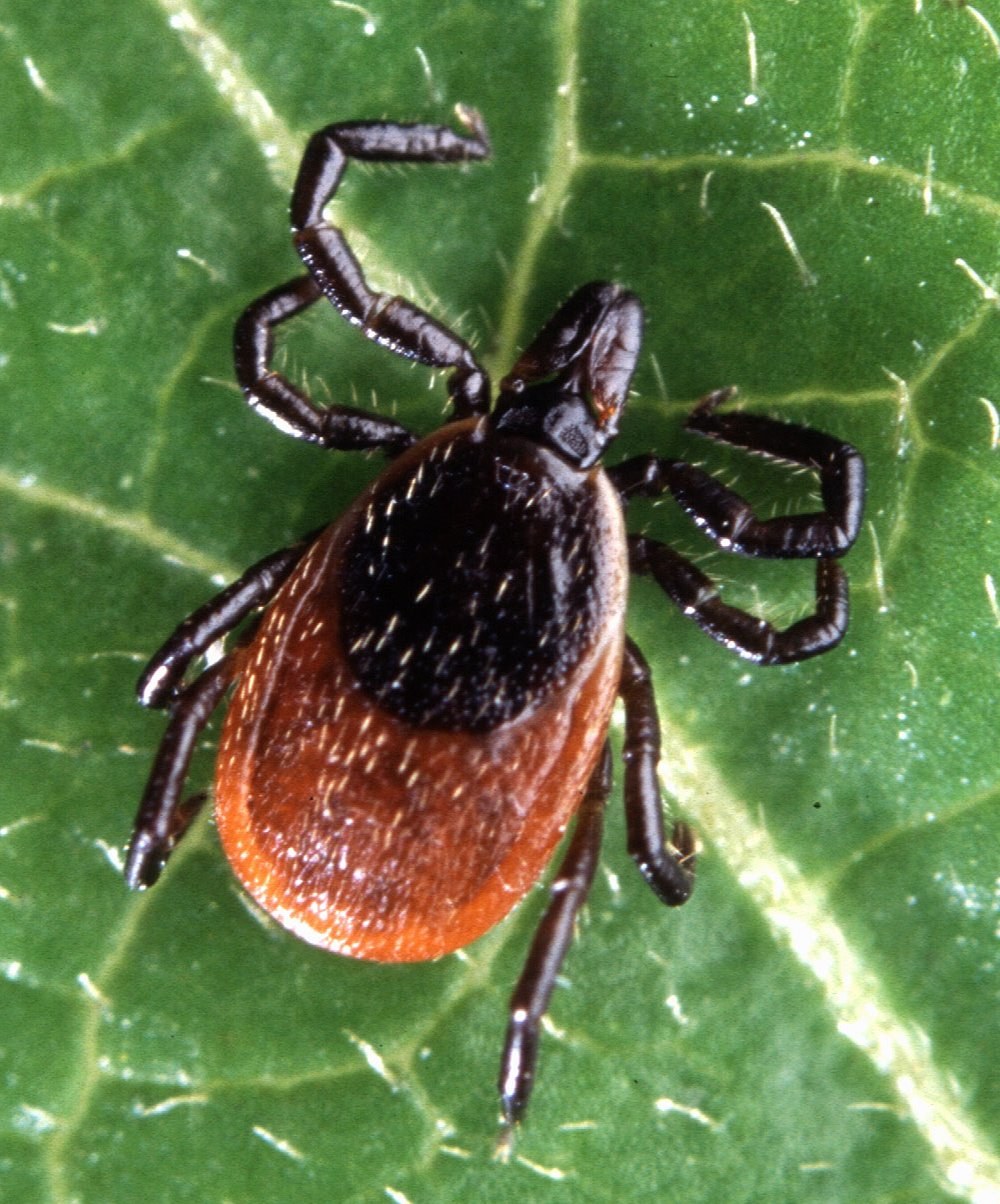

These data help explain why the disease now appears in places where doctors were not used to seeing it. A county that had low incidence 20 years ago may now be within an endemic area. For the Brazilian traveler, this means that the list of risk destinations changes over time, and that the question about trails, campsites and forest areas applies to regions that were not usually on the radar.
Brazil: spotted fever and the star tick
In Brazil, the tick-borne disease of greatest concern is Brazilian spotted fever, caused by Rickettsia rickettsii. In the state of São Paulo, 978 laboratory confirmations were recorded between 2001 and 2018, and 489 of them, or 50 per 100, ended in death (Luz et al., 2019).
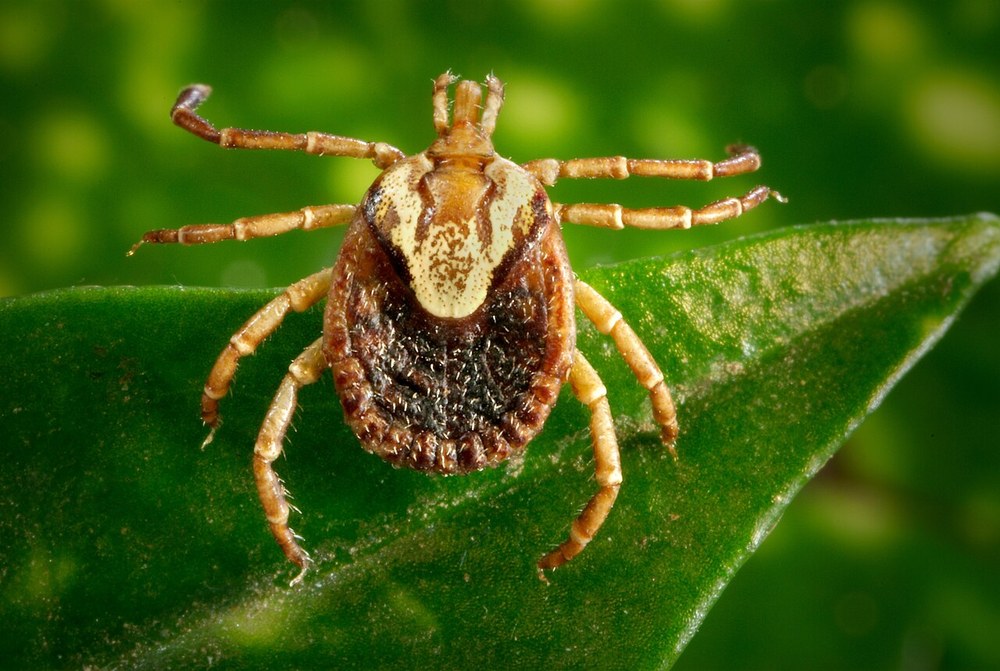
A study in São Paulo and the Pantanal compared endemic and non-endemic areas (Luz et al., 2019). In the endemic areas, Amblyomma sculptum, known as the star tick, accounted for about 90 out of every 100 ticks found, and tick loads on capybaras and in the environment were much higher. In areas with a strong human presence, the capybara was the only important host for this tick.
The authors link this scenario to changes in the São Paulo landscape over the last four decades: rapid expansion of crops, especially sugarcane, deforestation and the creation of artificial bodies of water (Luz et al., 2019). These changes favored capybaras, which find food and water in abundance, and with them the star tick. The Brazilian example shows clearly that the spread of tick-borne diseases does not depend on climate alone. The way we occupy the territory changes who lives alongside whom.
Heat and tick behavior
Beyond distribution, heat can change tick behavior. In France, in 2007, a cluster of rickettsial infections transmitted by the brown dog tick occurred after an exceptionally hot April, the hottest since 1950 (Parola et al., 2008). The researchers tested in the laboratory this tick's affinity for humans at different temperatures.
In the three experiments with larvae, between 27 and 67 out of every 100 ticks kept at 40 °C attached to the skin, versus 0 to 6 out of every 100 of those kept at room temperature (Parola et al., 2008). The authors concluded that warming may make this tick more aggressive toward humans. In the samples collected, Rickettsia conorii and Rickettsia massiliae were identified. It is an experimental finding, with a specific species, but it shows that temperature can change not only where the tick lives, but also how often it bites people.
What models can and cannot predict
Mathematical models try to anticipate where ticks and their diseases will spread. One study calculated the basic reproduction number (R0) of Ixodes scapularis, a measure of the tick population's capacity to persist and grow in a given place (Ogden et al., 2014). With temperatures projected by climate change, R0 increased 2 to 5 times in Canada and 1.5 to 2 times in the United States. In the historical period analyzed, a region of southern Ontario came to have R0 above 1 in the late 1990s, that is, conditions for the population to sustain itself, while the boreal region remained below 1 from 1971 to 2010.
These models have important limitations. A critical review showed that predicted distributions vary greatly depending on the assumptions, which are rarely tested against reasonable alternatives (Ostfeld and Brunner, 2015). Many models assume that the current climate is what limits the distribution of diseases, when there are dozens of components involved: tick survival and life cycle, fecundity, encounters with hosts, vector competence, pathogen replication and the dynamics of animal communities.
The authors call for more research on how climate affects host animals and pathogen dynamics, not just ticks. For the clinician, the lesson is one of humility. Risk maps are useful, but they lag behind reality and can be wrong. A patient with a compatible picture and plausible exposure deserves investigation even if they come from a region that does not appear as endemic.
Recognizing Lyme disease outside the classic area
When the disease appears in new places, the main risk is that it goes unrecognized. A review compared the manifestations of Lyme disease in the United States and Europe (Marques et al., 2021). Erythema migrans is the most common manifestation on both continents, present in more than 80 out of every 100 patients. It is a red lesion that grows gradually from the site of the bite, often without significant pain or itching.
There are differences between continents, linked to the predominant Borrelia species (Marques et al., 2021). In the United States, patients with erythema migrans have more systemic symptoms (69 out of 100, versus 38 or 37 out of 100 in Europe, depending on the species) and more multiple lesions (13 out of 100, versus 5). Two skin manifestations occur only in infections acquired in Europe: borrelial lymphocytoma and acrodermatitis chronica atrophicans. Lyme arthritis appears to be less frequent in Europe.
The early neurological form, neuroborreliosis, usually presents with cranial nerve palsy, especially of the facial nerve, lymphocytic meningitis and painful radiculitis (Marques et al., 2021). Facial palsy in someone who has been in a wooded area in the northern hemisphere, especially in summer and autumn, should bring Lyme disease into the differential diagnosis.

| Disease | Where to think of it | Main clue | Why not miss it |
|---|---|---|---|
| Lyme disease | Wooded areas of Europe and North America, including new regions | Slowly growing erythema migrans; facial palsy | Common lesion, easy to confuse with cellulitis or allergy |
| Tick-borne encephalitis | Europe, including the Baltic countries and more northern areas | Neurological picture after exposure in a forest | Incidence can rise abruptly in new areas |
| Brazilian spotted fever | Inland São Paulo and other areas with capybaras and the star tick | Fever after exposure to woods, pasture or a riverbank | Half of the confirmed cases in São Paulo ended in death |
| Rickettsioses transmitted by the brown dog tick | Southern France and other areas with this tick, especially in hot periods | Fever after contact with dogs and their ticks | Heat can increase bites on humans |
Clinical reasoning when facing a possible tick-borne disease
The starting point is the history. Many patients do not remember the bite, because small ticks go unnoticed. So the question should not be only whether the person was bitten, but where they were, for how long and what they did: trails, camping, rural work, contact with dogs, horses or capybaras, walks along rivers and lakes. This information changes the pretest probability decisively.
The second point is time. Tick-borne diseases usually appear days to weeks after exposure. A patient who returned from a trip two weeks ago, as in the opening case, is within that window. The link between travel and symptom only appears if someone asks.
The third point is up-to-date geography. Because maps change, the doctor should not rule out the hypothesis just because the place was not known as a risk area. Data from Sweden, the United States and the Baltic show that the disease can reach new places within a few years (Jaenson et al., 2012; Kugeler et al., 2015; Sumilo et al., 2007).
The fourth point is severity. In Brazilian spotted fever, the high lethality in São Paulo justifies thinking early about the disease in anyone with fever after exposure in a risk area (Luz et al., 2019). Clinical decision-making here weighs the risk of acting without certainty against the risk of waiting.
The returning traveler
For the Brazilian doctor, the most likely scenario for Lyme disease or tick-borne encephalitis is the patient returning from a trip. Nature tourism, exchange programs, field work and visits to family abroad put people in contact with wooded areas in regions where these ticks are expanding. The European review cites tourism among the factors that modulate the risk of tick-borne encephalitis (Semenza and Suk, 2018).
The problem is that the patient rarely links the symptoms to the trip, especially when they returned several weeks ago. They seek care because of a spot, fatigue, facial palsy or fever, and it is up to the doctor to make the connection. An open question about trips in recent months, followed by questions about outdoor activities, is usually enough to open this hypothesis.
The same holds within Brazil. A resident of the capital who spent the weekend at a country property in the interior of São Paulo, with capybaras nearby, has relevant exposure to spotted fever, even without knowing it (Luz et al., 2019).
Mistakes that repeat
The first mistake is asking only about the bite. Many patients do not notice it, and a denial does not rule out the hypothesis.
The second mistake is confusing erythema migrans with cellulitis or an allergic reaction. The Lyme lesion grows slowly and usually hurts little, and diagnostic uncertainty decreases when the exposure history is taken into account.
The third mistake is using an old map. Areas that had low incidence two decades ago may be endemic today (Kugeler et al., 2015).
The fourth mistake is attributing everything to climate. Expansion also depends on hosts, landscape and human behavior, as the Baltic and spotted fever in São Paulo show (Sumilo et al., 2007; Luz et al., 2019).
The fifth mistake is not recording the exposure. Noting in the medical record where the patient has been and when helps whoever provides care later, should late symptoms appear.
How NEXO helps train this reasoning
In NEXO, the case of the day is fictional, with a real clinical presentation and up to six progressive clues, and you propose the diagnosis by looking for the code in ICD-10.
The limits on using the game are described on the NEXO Economy page. If you research the teaching of clinical reasoning, the page for Researchers explains how to get in touch. Professionals who write or review cases find information under Curator and Creators, and institutions can learn about the proposal on the partnerships page. Practicing differential diagnosis with clues and looking for the right code in ICD-10 complete this training.
Frequently asked questions
Are ticks really spreading because of the climate?
In part. There is good evidence of expansion to higher latitudes and altitudes, and climate contributes. But across much of Europe, non-climatic factors such as land use and hosts are gaining importance, and in Brazil the landscape weighs heavily.
Does Lyme disease exist in Brazil?
Classic Lyme disease is associated with areas of Europe and North America. For the Brazilian physician, the most common scenario is the traveler returning from those regions. The tick-borne disease of greatest concern in Brazil is spotted fever.
If the patient does not remember the bite, can I rule it out?
No. Small ticks often go unnoticed. A history of exposure in forest, trail, rural area or contact with animals is more useful than remembering the bite.
Why is spotted fever so dangerous?
In São Paulo, half of the laboratory confirmations between 2001 and 2018 ended in death. The disease progresses quickly, and suspicion needs to come early in anyone with fever after exposure in a risk area.
Are maps of risk areas reliable?
They are useful, but they lag behind reality and depend on assumptions that are not always confirmed. A compatible history deserves investigation even outside known areas.
Take-home messages
- Vector ticks are reaching areas farther north and higher up.
- Climate, landscape, hosts and social factors together explain the expansion.
- Lyme diagnoses in the United States increased and spread across more counties.
- Spotted fever in São Paulo is severe and linked to capybaras and the star tick.
- Erythema migrans and facial palsy are clues to Lyme in anyone who has been in a risk area.
- Ask where the patient has been, not only whether they were bitten.
References
- Gray JS, Dautel H, Estrada-Peña A, et al. Effects of climate change on ticks and tick-borne diseases in europe. Interdiscip Perspect Infect Dis. 2009. PMID 19277106.
- Jaenson TG, Jaenson DG, Eisen L, et al. Changes in the geographical distribution and abundance of the tick Ixodes ricinus during the past 30 years in Sweden. Parasit Vectors. 2012. PMID 22233771.
- Kugeler KJ, Farley GM, Forrester JD, et al. Geographic Distribution and Expansion of Human Lyme Disease, United States. Emerg Infect Dis. 2015. PMID 26196670.
- Kugeler KJ, Schwartz AM, Delorey MJ, et al. Estimating the Frequency of Lyme Disease Diagnoses, United States, 2010-2018. Emerg Infect Dis. 2021. PMID 33496229.
- Luz HR, Costa FB, Benatti HR, et al. Epidemiology of capybara-associated Brazilian spotted fever. PLoS Negl Trop Dis. 2019. PMID 31490924.
- Marques AR, Strle F, Wormser GP. Comparison of Lyme Disease in the United States and Europe. Emerg Infect Dis. 2021. PMID 34286689.
- Medlock JM, Hansford KM, Bormane A, et al. Driving forces for changes in geographical distribution of Ixodes ricinus ticks in Europe. Parasit Vectors. 2013. PMID 23281838.
- Ogden NH, Radojevic M, Wu X, et al. Estimated effects of projected climate change on the basic reproductive number of the Lyme disease vector Ixodes scapularis. Environ Health Perspect. 2014. PMID 24627295.
- Ostfeld RS, Brunner JL. Climate change and Ixodes tick-borne diseases of humans. Philos Trans R Soc Lond B Biol Sci. 2015. PMID 25688022.
- Parola P, Socolovschi C, Jeanjean L, et al. Warmer weather linked to tick attack and emergence of severe rickettsioses. PLoS Negl Trop Dis. 2008. PMID 19015724.
- Semenza JC, Suk JE. Vector-borne diseases and climate change: a European perspective. FEMS Microbiol Lett. 2018. PMID 29149298.
- Sonenshine DE. Range Expansion of Tick Disease Vectors in North America: Implications for Spread of Tick-Borne Disease. Int J Environ Res Public Health. 2018. PMID 29522469.
- Sumilo D, Asokliene L, Bormane A, et al. Climate change cannot explain the upsurge of tick-borne encephalitis in the Baltics. PLoS One. 2007. PMID 17551580.