Decision-making capacity: how to assess at the bedside
Table of contents
A 79-year-old man admitted for pneumonia says he no longer wants intravenous antibiotics and that he is going home. The team calls the consultation with a short question: does he have the capacity to refuse? The night before, he was confused and tried to pull out the line. In the morning he talks well, knows where he is and complains about the food. The answer does not come from a score or from a loose sentence in the chart, but from a structured conversation, held at the right moment, about that specific decision.
Assessing decision-making capacity is one of the most frequent and least taught tasks in clinical practice. This text reviews what capacity is, how often it fails, how to assess it at the bedside, what structured instruments are for, what to do when capacity fluctuates and which pitfalls appear in practice.
Key points
- Decision-making capacity involves four abilities: expressing a choice, understanding, appreciating and reasoning.
- Capacity is specific to the decision and to the moment, and is presumed until proven otherwise.
- Incapacity is common in hospitalized patients and often goes unnoticed by the team.
- Structured instruments help, but they do not replace clinical judgment.
- When capacity fluctuates, it is worth choosing the best moment and treating reversible causes before concluding.
What decision-making capacity is
Decision-making capacity is a clinical and functional determination, while competence is a legal determination, made by a judge (Darby and Dickerson, 2017) (Palmer and Harmell, 2016). In practice, most capacity assessments are made by clinicians, without going through the judicial system (Darby and Dickerson, 2017). Capacity depends on the context and the decision: the same person may be able to choose what to have for lunch and not be able to decide about high-risk surgery (Darby and Dickerson, 2017) (Palmer and Harmell, 2016).
The most used model describes four abilities (Zhong et al., 2019) (Palmer and Harmell, 2016). The first is expressing a choice. The second is understanding the relevant information, which includes the condition, the options, the risks and the benefits. The third is appreciating, that is, recognizing that this information applies to one's own situation. The fourth is reasoning, comparing the options and the consequences in a way that is coherent with one's own values (Zhong et al., 2019).
These abilities do not work like a switch. Zhong et al. describe capacity as a sliding scale, in which the level of demand rises with the risk of the decision (Zhong et al., 2019). Accepting a simple, low-risk treatment requires less than refusing a life-saving treatment.
Getting this assessment right matters in both directions. Darby and Dickerson recall that impaired decisions in dementia can lead to injuries while driving or using dangerous tools, to major financial losses and to abuse and exploitation of older adults (Darby and Dickerson, 2017). On the other hand, the measures taken to protect these patients limit autonomy, and so the determination must be made with the greatest possible precision (Darby and Dickerson, 2017). Erring on the low side exposes the patient to risks; erring on the high side takes away his right to decide.
Another important point is presumption. Capacity is specific to the case, the task and the moment, and can change from one moment to another (Trachsel et al., 2015). A decision the team considers bad does not prove incapacity. What is assessed is the process by which the patient reaches the choice, not the result.
Palmer and Harmell also recall that the capacity to name a representative is a separate concept (Palmer and Harmell, 2016). A patient who cannot assess the details of chemotherapy may still be able to say whom he trusts to decide for him. This distinction matters when choosing who will speak for the patient when he can no longer decide.
How often capacity fails
Incapacity is not rare. The systematic review by Lepping and colleagues gathered 58 studies, 35 in psychiatric settings and 23 in clinical settings, with 70 data sets (Lepping and colleagues, 2015). The proportion of incapacity was 45 per 100 in psychiatric services, with a confidence interval of 39 to 51, and 34 per 100 in clinical services, with an interval of 25 to 44 (Lepping and colleagues, 2015). The difference between the two settings was not significant (Lepping and colleagues, 2015).
The same review cites an earlier study by Sessums and colleagues, in which 26 per 100 of clinical patients lacked capacity, against 3 per 100 of healthy older adults in the control group (Lepping and colleagues, 2015). In that study, physicians recognized only 42 per 100 of the patients without capacity (Lepping and colleagues, 2015). That is, more than half went unnoticed.
The type of deficit also changes with the setting. In clinical services, reasoning was the most affected ability; in psychiatric services, appreciation (Lepping and colleagues, 2015). Incapacity was more frequent in people with intellectual disability, delirium and neurological disease (Lepping and colleagues, 2015). Within psychiatry, earlier studies cited in the review show that patients with psychosis, dementia and mania are far more likely to lack capacity than patients with depression or personality disorder (Lepping and colleagues, 2015). An MMSE below 20 increased the likelihood of incapacity, but the cognitive test alone does not settle the question (Lepping and colleagues, 2015).
In depression, the review by Hindmarch and colleagues, with 17 publications, found that the impairment falls mainly on appreciation, especially in severe cases (Hindmarch and colleagues, 2013). The frequency of incapacity varied with the severity of the condition and with the use of structured or unstructured judgment (Hindmarch and colleagues, 2013). A depressed person may understand all the risks and still believe they do not apply to them, or that they do not deserve the treatment.

Patients with terminal illness form another vulnerable group. Kolva and colleagues assessed 55 inpatients with terminal cancer and 50 healthy adults, using the MacCAT-T on a hypothetical decision about artificial nutrition (Kolva and colleagues, 2018). Among the patients, 44.2 per 100 had impaired understanding and 49.0 per 100 impaired appreciation (Kolva and colleagues, 2018). At least one subscale was impaired in 89.8 per 100, and all four in 5.5 per 100 (Kolva and colleagues, 2018). The majority, 85.7 per 100, could express a choice without difficulty, but reasoning was impaired in 85.4 per 100 (Kolva and colleagues, 2018). Being able to say yes or no, therefore, is far from guaranteeing capacity. In these cases, the decision usually depends on a good understanding of the prognostic reasoning presented to the patient.
The physicians of these patients classified 64.1 per 100 of them as unimpaired, 33.9 per 100 as moderately impaired and 1.8 per 100 as severely impaired (Kolva and colleagues, 2018). Agreement between this impression and performance on the instrument was weak, and physicians rarely detected the impairment identified by the MacCAT-T (Kolva and colleagues, 2018).
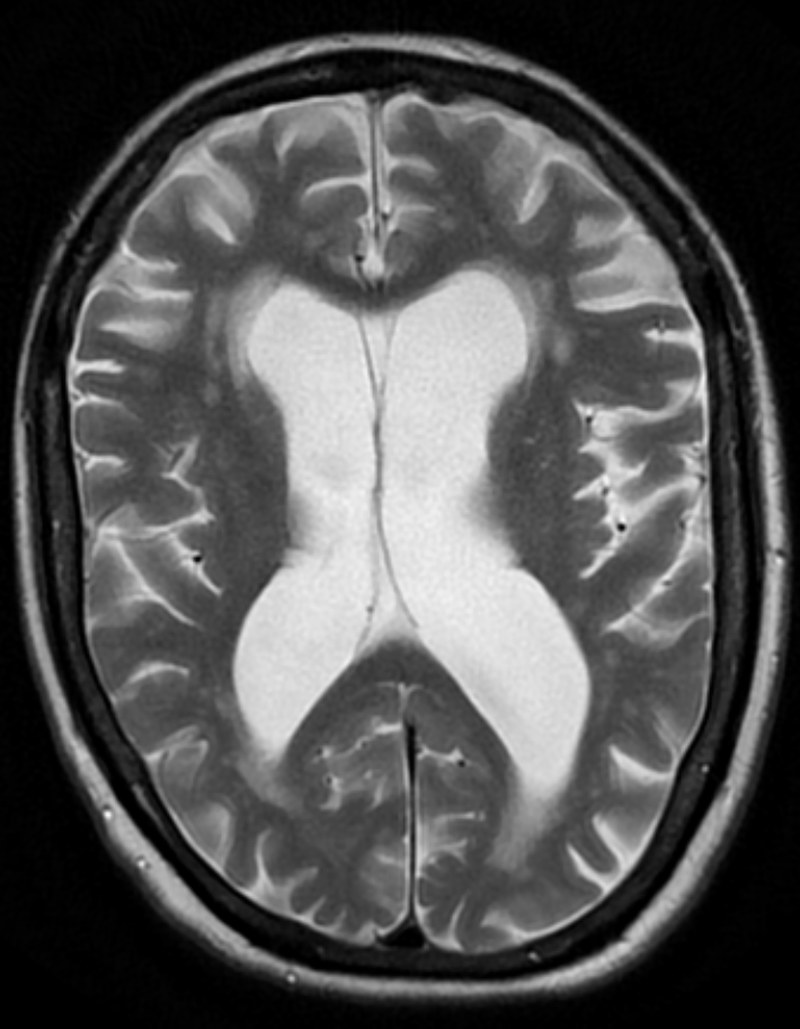
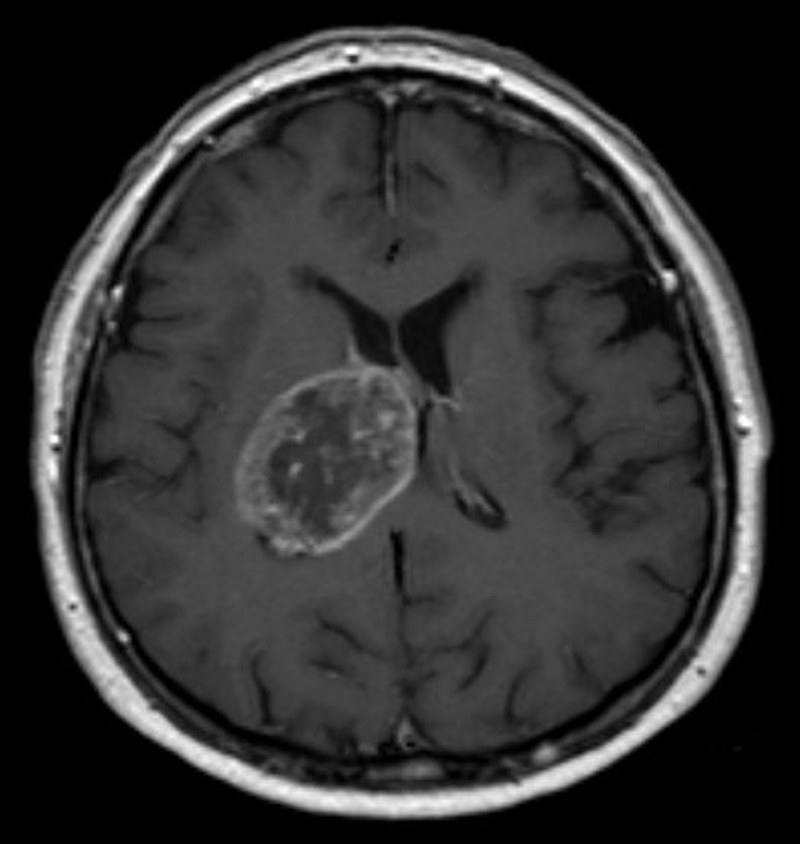
In brain tumors, the review by Hewins and colleagues screened 1597 articles and included 8 (Hewins and colleagues, 2019). In one of the studies, 25 out of every 100 patients lacked the capacity to consent to neurosurgery, and almost half of these cases went unnoticed by the team (Hewins and colleagues, 2019). In patients with glioma, more than 50 out of every 100 had impaired capacity (Hewins and colleagues, 2019). In patients with brain metastases assessed in the week before radiotherapy, only one had difficulty expressing a choice, but 46 out of every 100 had some impairment in understanding, 39 out of every 100 in reasoning and 17 out of every 100 in appreciation (Hewins and colleagues, 2019). The authors link this order to the growing complexity of each ability (Hewins and colleagues, 2019).
When the question of capacity comes up
The capacity consultation almost never arrives when the patient accepts what the team proposes. It usually arises when there is refusal, a wish to be discharged against medical advice or a conflict with the family (Zhong and colleagues, 2019). Zhong and colleagues note that many of these requests actually hide communication problems: poorly controlled pain, financial worry, lack of information, a need for more time or an attempt at persuasion (Zhong and colleagues, 2019).
So the first step is to ask the patient why they refuse. Sometimes the answer resolves the impasse without any formal assessment. At other times, it shows that the patient understood the proposal and disagrees for reasons consistent with their history. Listening to those reasons attentively is part of clinical empathy.
Charles and colleagues, describing the assessment in a geriatrics service, use the idea of a trigger: a risk event that seems caused by an impairment in decision-making capacity, such as refusing chemotherapy or amputation (Charles and colleagues, 2022). Without a trigger, there is no reason to question the capacity of someone who decides differently from what the team would prefer.
Zhong and colleagues also suggest a pragmatic question: would the team be willing to treat against the patient's wishes (Zhong and colleagues, 2019)? If the answer is no, the assessment may have little practical effect. If it is yes, the risks of the forced intervention itself must be weighed, including physical restraint, which can cause injuries, pressure ulcers, a longer hospital stay and death (Zhong and colleagues, 2019).
The classic gray-zone case described by the authors is that of a patient with bipolar disorder, possibly hypomanic, who refuses intravenous antibiotics (Zhong and colleagues, 2019). The illness may affect appreciation and reasoning, but it does not automatically eliminate capacity. The conclusion requires looking at that decision, at that moment.
How to assess at the bedside
The assessment begins before the conversation. It is worth reviewing the chart, understanding the decision at stake and knowing the realistic options, because you cannot assess someone's understanding of something that was not explained to them. It is also useful to look for reversible causes of confusion, such as delirium, pain, sedation or metabolic disturbances (Palmer and Harmell, 2016) (Trachsel and colleagues, 2015).
Then the conversation follows the four abilities. A practical sequence, inspired by the descriptions of Palmer and Harmell and of Zhong and colleagues, is this (Palmer and Harmell, 2016) (Zhong and colleagues, 2019):
- Choice: ask what the patient has decided and check whether the choice holds throughout the conversation.
- Understanding: ask them to explain, in their own words, the problem, the options and the risks.
- Appreciation: ask whether they think they have the illness and what they think will happen to them if they accept or refuse.
- Reasoning: ask them to compare the options and explain how they reached the choice.
Before testing, you must inform. The conversation should explain the diagnosis, the proposal, the alternatives and what happens if nothing is done, in language the patient understands and with time for questions. Only then does it make sense to check what was retained. A poor answer right after a rushed explanation says more about the explanation than about the patient.
In comprehension, detail matters. Palmer and Harmell point out that the patient must explain the information in their own words, not just repeat what they heard (Palmer and Harmell, 2016). Repeating a memorized sentence does not show that the information was understood.
Ambivalence also counts. For Palmer and Harmell, a patient who changes their mind with every question, unable to hold to a decision, may be considered unable to express a choice (Palmer and Harmell, 2016). Changing one's mind after receiving new information is different and does not indicate incapacity.
Informants help a great deal. Family members and people close to the patient can say whether the current choice fits the patient's long-standing values (Palmer and Harmell, 2016). A refusal consistent with the person's life history weighs differently from a refusal that contradicts everything the person has always stood for. Nursing and other professionals who follow the patient also bring useful information, as discussed in interprofessional clinical reasoning.
Finally, the assessment must be recorded clearly: which decision was assessed, which abilities were tested, what the patient said and what the conclusion was. This documentation connects with the team's clinical decision-making and lets another professional understand the reasoning. The record follows the same logic as how to write the assessment in the medical chart.


The structured instruments
Structured instruments emerged partly because clinical judgment alone varies widely. In the Marson study cited by Palmer and Harmell, five physicians agreed on 98 out of 100 assessments of healthy controls, but on only 56 out of 100 assessments of patients with mild Alzheimer's disease (Palmer and Harmell, 2016). Disagreement grows precisely in the difficult cases.
Palmer and Harmell identified 11 instruments that cover the four abilities, and note that only 4 published instruments adapt the information to the patient's actual decision (Palmer and Harmell, 2016). The table summarizes two of the most cited.
| Instrument | Duration | Structure | Notes |
|---|---|---|---|
| MacCAT-T | 15 to 20 minutes (Palmer and Harmell, 2016) | 13 items on understanding, 2 on appreciation, 4 on reasoning and 1 on choice (Palmer and Harmell, 2016) | Adapted to the actual decision; has no cutoff score (Palmer and Harmell, 2016) |
| CCTI | 20 to 25 minutes (Palmer and Harmell, 2016) | 2 vignettes, one of a brain tumor and one of heart block (Palmer and Harmell, 2016) | Uses hypothetical situations and has normative data (Palmer and Harmell, 2016) |
The MacCAT-T is the most used in research, but the absence of a cutoff score is deliberate: the score organizes the information and the clinician decides (Palmer and Harmell, 2016). Wood and colleagues also point out that the MacArthur tools do not include cognitive testing and propose combining an interview, an instrument specific to the decision and a neuropsychological assessment (Wood and colleagues, 2020).
Simple tests can help with screening. In patients with brain tumors, semantic fluency, asking the patient to name animals in 1 minute, had a sensitivity of 96 and a specificity of 63 for detecting incapacity (Hewins and colleagues, 2019). Adding recall of a 7-item name and address, sensitivity reached 100 and specificity 83 (Hewins and colleagues, 2019). These data come from a single setting and serve to indicate who needs a more careful assessment, not to reach a conclusion.
In the geriatrics service described by Charles and colleagues, 88 patients with a mean age of 76 years were referred for assessment, and 43.2 out of 100 had dementia (Charles and colleagues, 2022). The support spreadsheet was used in 63.2 out of 100 of the cases, but structured capacity interviews in only 20.7 out of 100 (Charles and colleagues, 2022). In the end, 48.2 out of 100 of the patients were considered to lack capacity (Charles and colleagues, 2022).
The model used in this service has three stages (Charles et al., 2022). In the first, the team identifies the reasons for the assessment. In the second, it performs an in-depth assessment, with cognitive and functional tests, trying to solve the problem in other ways. Only in the third, when the problem is not resolved, does the formal capacity interview take place (Charles et al., 2022). Valid reasons for assessing were present in 93 out of every 100 referrals, and the assessment was actually performed in 72.6 out of every 100 (Charles et al., 2022). In 85.3 out of every 100 referrals, the need involved two to four domains, most commonly housing, health care and finances, and two to three disciplines were usually involved, often social work and occupational therapy (Charles et al., 2022). The lesson is that capacity is rarely an isolated question: it comes with practical problems that are often resolved without labeling the patient.
When capacity fluctuates
Capacity can vary over the course of the day, as in the case of the 79-year-old man from the beginning. Trachsel et al. recall that fluctuations are a core feature of dementia with Lewy bodies and also occur in Parkinson's disease and Alzheimer's disease (Trachsel et al., 2015). Delirium is another classic example.
The authors propose a set of practical measures (Trachsel et al., 2015). Choose a time when the patient is at their best. Ask the patient and family members what the best time is. Treat delirium before concluding. Use key messages in plain language, with no more detail than necessary, and support them with images or illustrations.
A central principle is to discuss the options, the risks and consent precisely at these moments when the patient is at their best (Trachsel et al., 2015). If the patient is capable in the morning, when lucid, a refusal expressed during that period carries weight, even if at night they become confused. An assessment made at the worst moment tends to underestimate real capacity.

This does not mean postponing indefinitely. When the decision is urgent, the team must act with the information available. But when there is time, waiting a few hours and treating the reversible cause usually gives a fairer answer than forcing a conclusion on the night shift. Even in a hurry, a diagnostic pause before acting helps to review whether reversible causes were sought.
Pitfalls and how to train the assessment
The first pitfall is confusing diagnosis with incapacity. Having dementia, depression or psychosis does not automatically make the patient incapable; what matters is performance on the four abilities for that decision (Darby and Dickerson, 2017) (Lepping et al., 2015). The second is confusing disagreement with incapacity, assessing only those who refuse. It is a shortcut similar to heuristics, which save time but fail when applied without checking the case.
The third is trusting the overall impression. Data from Sessums and Kolva show that physicians fail to recognize many incapable patients, partly because fluent social conversation hides flaws in appreciation and reasoning (Lepping et al., 2015) (Kolva et al., 2018). Thinking about the pretest probability of incapacity, considering delirium, dementia or neurological disease, helps decide when to deepen the assessment.
The fourth pitfall is treating capacity as a permanent label. It is specific to the decision and to the moment, and must be reassessed when the situation changes (Trachsel et al., 2015).
Clinicians recognize the difficulty. In a focus group with 9 family physicians, the barriers cited were lack of training, isolation, conflict with family members, fear of liability and remuneration (Charles et al., 2017). Structured training seems to help: in a Canadian program, 281 physicians took part in 3-hour or 2-day workshops, and 835 other professionals in 4-hour workshops organized around core assessment concepts (Charles et al., 2021). Self-assessments improved in at least 62.7 out of 100 of the physicians and in at least 49.6 out of 100 of the other professionals (Charles et al., 2021). Refusals that irritate the team also leave room for affective bias, which is worth recognizing before concluding.
Dealing with uncertainty is part of the task. The principles of diagnostic uncertainty apply here: state clearly what is known, what is missing and what could change the conclusion, and record that reasoning.
Frequently asked questions
Are capacity and competence the same thing?
No. Capacity is a clinical and functional assessment, made by the health professional. Competence is a legal decision, made by a judge (Darby and Dickerson, 2017) (Palmer and Harmell, 2016).
Can a patient with dementia have capacity?
Yes. Capacity is specific to the decision, and a patient with dementia may be able to make simple decisions or to name a representative, even without being able to weigh complex decisions (Palmer and Harmell, 2016).
What are the four abilities assessed?
Expressing a choice, understanding the information, appreciating how it applies to one's own situation and reasoning about the options (Zhong et al., 2019).
Is the MMSE enough to assess capacity?
No. An MMSE below 20 increases the probability of incapacity, but the cognitive test does not directly assess the four abilities for the decision at hand (Lepping et al., 2015).
Does refusing a treatment indicate incapacity?
No. The refusal may prompt the assessment, but what is assessed is the decision process. Many refusals reflect pain, lack of information or other communication problems (Zhong et al., 2019).
What should be done if the patient fluctuates throughout the day?
Choose the best moment, treat delirium and other reversible causes and discuss the options during the periods when the patient is at their best (Trachsel et al., 2015).
Is there a standard instrument?
There are several instruments, such as the MacCAT-T and the CCTI, but none replaces clinical judgment, and the MacCAT-T does not even have a cutoff point (Palmer and Harmell, 2016).
Take-home messages
- Capacity is clinical and specific to the decision; competence is legal.
- Assess the four abilities with open questions and ask for explanations in the patient's own words.
- Incapacity is common in inpatients and often goes unnoticed.
- Structured instruments organize the assessment, but the final decision belongs to the clinician.
- When capacity fluctuates, choose the best moment and treat reversible causes before concluding.
References
- Charles L, Brémault-Phillips S, Pike A, et al. Decision-making capacity assessment education. J Am Geriatr Soc. 2021. PMID 33586782.
- Charles L, Kothavade U, Brémault-Phillips S, et al. Outcomes of a Decision-Making Capacity Assessment Model at the Grey Nuns Community Hospital. Int J Environ Res Public Health. 2022. PMID 35162581.
- Charles L, Parmar J, Brémault-Phillips S, et al. Physician education on decision-making capacity assessment: Current state and future directions. Can Fam Physician. 2017. PMID 28115457.
- Darby RR, Dickerson BC. Dementia, Decision Making, and Capacity. Harv Rev Psychiatry. 2017. PMID 29117022.
- Hewins W, Zienius K, Rogers JL, et al. The Effects of Brain Tumours upon Medical Decision-Making Capacity. Curr Oncol Rep. 2019. PMID 31049786.
- Hindmarch T, Hotopf M, Owen GS. Depression and decision-making capacity for treatment or research: a systematic review. BMC Med Ethics. 2013. PMID 24330745.
- Kolva E, Rosenfeld B, Saracino R. Assessing the Decision-Making Capacity of Terminally Ill Patients with Cancer. Am J Geriatr Psychiatry. 2018. PMID 29398351.
- Lepping P, Stanly T, Turner J. Systematic review on the prevalence of lack of capacity in medical and psychiatric settings. Clin Med (Lond). 2015. PMID 26407382.
- Palmer BW, Harmell AL. Assessment of Healthcare Decision-making Capacity. Arch Clin Neuropsychol. 2016. PMID 27551024.
- Trachsel M, Hermann H, Biller-Andorno N. Cognitive fluctuations as a challenge for the assessment of decision-making capacity in patients with dementia. Am J Alzheimers Dis Other Demen. 2015. PMID 24946784.
- Wood S, Bally K, Cabane C, et al. Decision-making capacity evaluations: the role of neuropsychological assessment from a multidisciplinary perspective. BMC Geriatr. 2020. PMID 33302888.
- Zhong R, Sisti DA, Karlawish JH. A pragmatist's guide to the assessment of decision-making capacity. Br J Psychiatry. 2019. PMID 30896380.