ADA 2026: what changed in diabetes and why
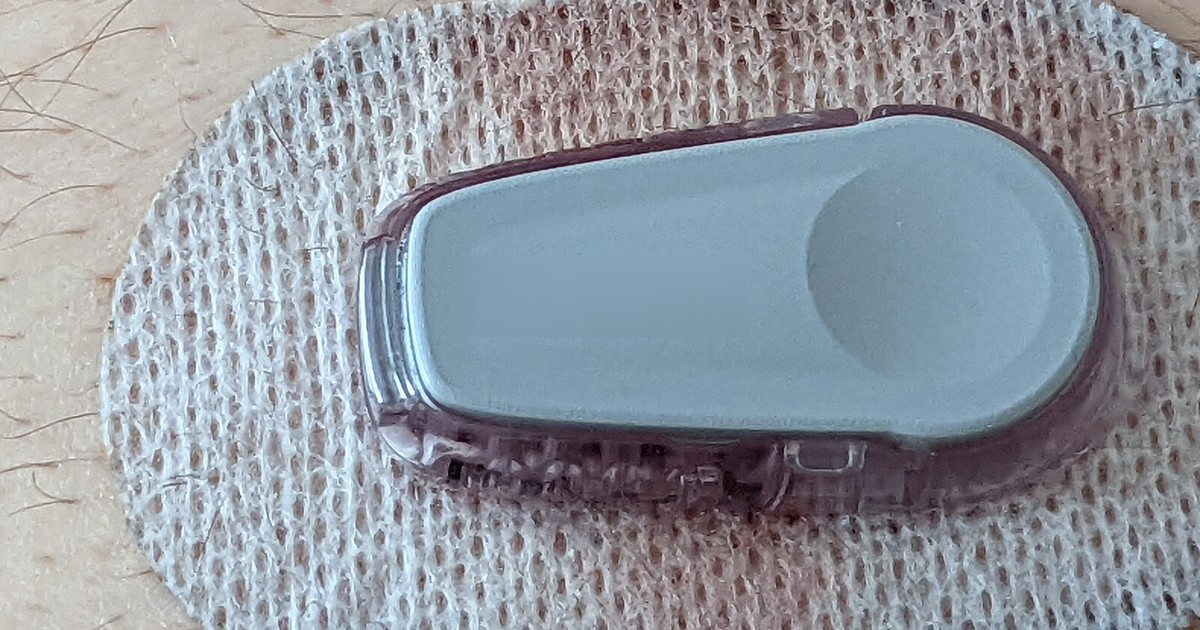


Table of contents
- Why the ADA replaced glycated hemoglobin with the organ
- Heart: SGLT2, GLP-1 and the new place of tirzepatide
- Kidney: protect from albuminuria onward
- Liver: FIB-4 first and caution about the size of the problem
- Continuous sensor from diagnosis
- Type 1 before symptoms: staging by autoantibodies
- Hyperglycemia caused by medications: corticosteroids and oncology
- How NEXO helps train this reasoning
- Frequently asked questions
- Take-home messages
- References
A 58-year-old woman with type 2 diabetes for six years returns to the clinic with glycated hemoglobin slightly above target. She had a hospitalization for heart failure with preserved ejection fraction last winter, has a body mass index of 34, an estimated glomerular filtration rate of 48 and increased urine albumin. She takes metformin and a sulfonylurea. The old question would be how far the glycated hemoglobin is from target. The ADA 2026 question is different: which organs are at risk, and which drug protects each of them?
The Standards of Care in Diabetes 2026, published as a supplement to Diabetes Care in December 2025, consolidate a shift that had been building for several years (ADA, Summary of Revisions, 2026). The drug is now chosen based on heart, kidney and liver disease, regardless of glycated hemoglobin. Continuous glucose monitoring enters from diagnosis for those who use insulin. Type 1 diabetes gained staging by autoantibodies, with a clear referral pathway. And hyperglycemia caused by corticosteroids and by cancer drugs gained its own recommendations.
This text is a reading of the changes through clinical reasoning, and avoids becoming a summary of each section. The goal is to help anyone treating diabetes in any country understand why the guideline changed, and how that alters the first decision in front of a real person.
Key points
- The choice of drug for type 2 diabetes starts from the organ at risk: heart failure, chronic kidney disease and hepatic steatosis with fibrosis (ADA, section 9, 2026).
- SGLT2 inhibitor in heart failure and in kidney disease is indicated regardless of glycated hemoglobin (ADA, section 9, 2026).
- Continuous monitoring should be offered at the start of diabetes for those who use insulin (ADA, section 7, 2026).
- Pre-symptomatic type 1 is staged by autoantibodies, with referral for metabolic staging (ADA, section 2, 2026).
- Corticosteroids, immune checkpoint inhibitors and PI3Kα and mTOR inhibitors gained specific screening and treatment.
- Liver fibrosis screening starts with FIB-4, but the frequency of advanced fibrosis in diabetes may be overestimated.
Summary
- Why the ADA replaced glycated hemoglobin with the organ
- Heart: SGLT2, GLP-1 and the new place of tirzepatide
- Kidney: protect from albuminuria onward
- Liver: FIB-4 first and caution about the size of the problem
- Continuous monitoring from diagnosis
- Type 1 before symptoms: staging by autoantibodies
- Hyperglycemia caused by drugs: corticosteroids and oncology
- How NEXO helps train this reasoning
- Frequently asked questions
- Take-home messages
Why the ADA replaced glycated hemoglobin with the organ
For decades, the logic of type 2 diabetes treatment was stepped by glucose. One started with metformin, and each new class entered when glycated hemoglobin rose above target. That logic made sense when all available drugs had basically the same effect: lowering glucose.
The scenario changed with the large cardiovascular and renal outcome trials. SGLT2 inhibitors reduced hospitalization for heart failure and progression of kidney disease, and GLP-1 receptor agonists reduced cardiovascular events, with benefits that proved largely independent of the glucose achieved. ADA 2026 brings this evidence to the center of the algorithm: for those with type 2 diabetes and heart failure, the SGLT2 inhibitor is indicated for cardiovascular and renal risk reduction regardless of glycated hemoglobin (ADA, section 9, 2026).
Glycemic target still matters
The shift in axis coexists with glucose targets. The ADA keeps glycated hemoglobin below 7 as an appropriate target for many adults outside pregnancy, without relevant hypoglycemia, with a level A recommendation (ADA, Summary of Revisions, 2026). For those who use continuous monitoring, the parallel target is time in range above 70 out of every 100 hours, with time below the low target (ADA, Summary of Revisions, 2026). Glycated hemoglobin and the monitoring metrics can be used together or separately to assess control.
Combination right from the start
Another point that reinforces the break with slow escalation is initial combination therapy. The ADA recommends considering combination therapy from the start to shorten the time to goal (ADA, section 9, 2026). In practice, the patient in the case would already have an indication to change the regimen even if her glycated hemoglobin were already at goal, because the organs at risk call for drugs with proven protection.
Heart: SGLT2, GLP-1 and the new place of tirzepatide
The cardiovascular disease section of ADA 2026 recommends an SGLT2 inhibitor for people with diabetes and heart failure with preserved or reduced ejection fraction, to reduce worsening of heart failure and cardiovascular death (ADA, section 10, 2026). The recommendation has level A and applies to both ejection fraction ranges.
The most visible novelty is in heart failure with preserved ejection fraction and obesity. For adults with type 2 diabetes, obesity and symptomatic heart failure with preserved ejection fraction, the ADA recommends the dual GIP and GLP-1 agonist to reduce heart failure events and improve symptoms, and the GLP-1 agonist as an alternative for symptoms, physical capacity and quality of life (ADA, section 9, 2026). Anyone who wants to review the relationship between tirzepatide, obesity and other complications can read the text on tirzepatide in sleep apnea.
Pre-heart failure
The ADA also draws attention to stage B, pre-heart failure. People with diabetes and asymptomatic structural or functional change, or raised natriuretic peptide, should receive an angiotensin-converting enzyme inhibitor or angiotensin receptor blocker and a beta-blocker when there is reduced ejection fraction or prior infarction (ADA, section 10, 2026). This language matches the stages A to D used by the American cardiology societies and, starting in 2026, by the European one as well.
Metformin in heart failure
Metformin remains permitted in people with stable heart failure, as long as the estimated glomerular filtration rate stays above 30, and should be avoided in unstable inpatients (ADA, section 10, 2026). This sentence matters for the reasoning: metformin has lost its place as the mandatory first step, but it remains useful and safe within these limits.
Kidney: protect from albuminuria onward
Chronic kidney disease is the second major reason to choose the drug by organ. ADA 2026 recommends an SGLT2 inhibitor for people with type 2 diabetes and chronic kidney disease, started at a filtration rate of 20 or more and maintained until dialysis or transplant, to reduce kidney progression and cardiovascular events (ADA, section 11, 2026). The GLP-1 agonist with demonstrated benefit also has a level A recommendation to reduce kidney progression, cardiovascular events and death (ADA, section 11, 2026).
In the pharmacology section, the ADA explains the practical choice: in people with a filtration rate between 20 and 60 and albuminuria, either of the two classes can be used (ADA, section 9, 2026). When filtration falls below 30, the GLP-1 agonist becomes preferred for glycemic control, because it has a lower risk of hypoglycemia and can be used even in dialysis (ADA, section 9, 2026).
The third piece: nonsteroidal mineralocorticoid antagonist
In addition to the two classes of diabetes drugs, the ADA recommends a nonsteroidal mineralocorticoid antagonist with proven efficacy in people with type 2 diabetes, chronic kidney disease and albuminuria, to reduce cardiovascular events and kidney progression (ADA, section 10, 2026). Finerenone is the current example of this class, and potassium monitoring is part of safe use.
Blood pressure
The target of blood pressure below 130 over 80, when safe, is recorded in the kidney section to reduce cardiovascular mortality and progression of kidney disease (ADA, section 11, 2026). In the patient's case, this means looking at blood pressure with the same weight given to glycated hemoglobin.
Liver: FIB-4 first and caution about the size of the problem
Metabolic dysfunction-associated steatotic liver disease, known by the acronym MASLD, gained prominence in the comorbidities section. The ADA recommends screening for fibrosis in adults with type 2 diabetes or prediabetes, especially with obesity or cardiometabolic risk, using FIB-4, even with normal liver enzymes (ADA, section 4, 2026). When FIB-4 is 1.3 or higher, the next step is elastography or the ELF blood test, and a high-risk result leads to the hepatologist (ADA, section 4, 2026).
For treatment, the ADA recommends a GLP-1 agonist or a dual GIP and GLP-1 agonist for adults with type 2 diabetes, MASLD and overweight or obesity, for the metabolic and cardiovascular effect (ADA, section 9, 2026). In steatohepatitis with fibrosis confirmed by biopsy, or with high risk on non-invasive tests, the GLP-1 agonist is preferred, and pioglitazone or the dual agonist are alternatives (ADA, section 9, 2026). For F2 to F3 fibrosis, the thyroid hormone receptor beta agonist is added with referral to the hepatologist (ADA, section 4, 2026). The text on resmetirom and semaglutide in steatohepatitis with fibrosis details the trials behind these choices.
The counterpoint: how much advanced fibrosis actually exists
A review published in Diabetologia in 2026 questions the numerical basis of universal screening. According to the author, reanalysis of prevalence studies suggests that advanced fibrosis in type 2 diabetes was substantially overestimated and may be below 5 to 10 in every 100 people (Qadri, 2026). The same review estimates that current non-invasive tests may refer 30 to 50 in every 100 patients to second-line testing and 15 in every 100 to specialist assessment (Qadri, 2026).
The argument is useful for reasoning. An altered FIB-4 raises the probability of fibrosis, but the result depends heavily on the probability before the test. In populations with low prevalence, many positive results will be false, and mass referral can overload hepatology services. Anyone who wants to review the concept can read the text on pretest probability.
Table: the organ at risk and the preferred class
| Organ or situation | Preferred class | ADA 2026 recommendation |
|---|---|---|
| Heart failure, any ejection fraction | SGLT2 inhibitor | Regardless of A1c, level A (ADA, section 9, 2026) |
| Symptomatic preserved fraction with obesity | Dual GIP and GLP-1 agonist or GLP-1 agonist | Reduce events and symptoms (ADA, section 9, 2026) |
| Kidney disease with filtration of 20 to 60 or albuminuria | SGLT2 inhibitor or GLP-1 agonist | Kidney and cardiovascular protection (ADA, section 11, 2026) |
| Filtration below 30 or dialysis | GLP-1 agonist | Preferred for glucose (ADA, section 9, 2026) |
| Kidney disease with albuminuria | Nonsteroidal mineralocorticoid antagonist | Added to the regimen, level A (ADA, section 10, 2026) |
| Steatohepatitis with fibrosis | GLP-1 agonist; pioglitazone or dual agonist as an alternative | Level A preference (ADA, section 9, 2026) |
| Obesity | Semaglutide or tirzepatide | Maintained after reaching the weight goal (ADA, Summary of Revisions, 2026) |
The table summarizes the logic, and the real decision depends on blood pressure, kidney function, potassium, hypoglycemia risk, access and the person's preference. It also shows why the patient in the case would have three reasons for an SGLT2 inhibitor and two for a GLP-1 or dual agonist, even before looking at A1c.
Two recommendations help simplify things. The ADA advises against combining a DPP-4 inhibitor with a GLP-1 agonist, because the additional glycemic benefit is small (ADA, section 9, 2026). And, for those who need injectable therapy, GLP-1-based therapy is preferred to insulin, except in severe hyperglycemia or catabolism (ADA, section 9, 2026). The patient's sulfonylurea, which increases the risk of hypoglycemia, is a natural candidate for withdrawal when the new classes come in.
Continuous sensor from diagnosis
The technology section of ADA 2026 recommends offering a continuous glucose sensor at the start of diabetes, including at diagnosis, for those who use insulin, with level A (ADA, section 7, 2026). The recommendation extends to those who use an oral medication that can cause hypoglycemia, such as sulfonylurea, and to anyone in whom the sensor helps the treatment decision (ADA, section 7, 2026).

Pump and automated system without laboratory barrier
The ADA recommends offering an automated insulin delivery system to all people with type 1 or type 2 diabetes who use insulin and can use it safely, with level A (ADA, section 9, 2026). It also removes requirements for C-peptide or autoantibodies before prescribing an insulin pump or an automated system (ADA, section 7, 2026). The message is that technology should follow clinical need, and laboratory bureaucracy used to delay access.
In the hospital
The hospital section recommends that the person be able to keep their personal sensor during admission, when there is an institutional protocol (ADA, Summary of Revisions, 2026). It also recommends avoiding correction-only insulin, the old sliding scale, as the only regimen (ADA, Summary of Revisions, 2026). For those who want to review the most common error in this setting, there is the text on insulin hypoglycemia in the hospital. Situations of specific risk, such as that of people who work in an airplane cockpit, appear in the text on hypoglycemia in a pilot treated with insulin.
Type 1 before symptoms: staging by autoantibodies
Type 1 diabetes begins years before hyperglycemia. ADA 2026 describes autoantibodies against insulin, against glutamic acid decarboxylase, against islet antigen 2 and against zinc transporter 8 as markers of the process (ADA, section 2, 2026). The presence of two or more defines stage 1 with normal glucose, stage 2 with dysglycemia and stage 3 with clinical disease.
The practical recommendation comes in steps. Anyone with one positive autoantibody should be evaluated for stage 3, and anyone with multiple autoantibodies should be referred to a center with experience in metabolic staging and in therapies that delay the disease (ADA, section 2, 2026). A single autoantibody against islet antigen 2 should be followed as if it were multiple, and the test should be repeated at intervals ranging from 6 months to 3 years depending on age and risk (ADA, section 2, 2026).
Why screen
The strongest justification is ketoacidosis. A 2026 international consensus summarizes that children with presymptomatic type 1 who receive basic education and follow-up have less ketoacidosis at the clinical onset of the disease than those not screened (Sims et al., 2026). The same text notes that ketoacidosis at diagnosis is associated with worse long-term glycemic control and with psychological distress in the family (Sims et al., 2026). Teplizumab, approved to delay stage 3 in those in stage 2 from age 8, postponed clinical onset by a median of 24.9 to 32.5 months in the studies cited by the consensus (Sims et al., 2026). The text on teplizumab in stage 2 goes deeper into this part.
The sensor as a staging tool
The ADA accepts continuous sensor metrics as an option in the follow-up of people with autoantibodies, alongside glycated hemoglobin every 6 months and the annual glucose curve (ADA, Summary of Revisions, 2026). A German study with 126 children and adolescents analyzed showed that standard deviation, coefficient of variation and time above 140 mg/dL differed between controls, stage 1 and stage 2 (Weiss et al., 2026). With the cutoff at the 97.5th percentile of controls, the sensor flagged as high risk 10 of the 25 participants in stage 2 and 6 of the 8 who progressed to clinical diabetes within one year (Weiss et al., 2026). The authors also observed that values change from one device to another, which requires cutoffs specific to each system (Weiss et al., 2026).
Hyperglycemia caused by medications: corticosteroids and oncology
The diagnosis section gained recommendations for hyperglycemia caused by medications, a common situation in oncology wards and outpatient clinics. For those using glucocorticoids long term, the ADA recommends measuring postprandial or casual glucose, because fasting glucose can underestimate the problem (ADA, section 2, 2026). Treatment should follow the corticosteroid regimen, with more insulin at times of greater effect and a reduction when the corticosteroid is withdrawn (ADA, section 9, 2026).
Metformin for prevention
A 2026 meta-analysis gathered 4 studies with 187 people without diabetes who received glucocorticoids and found lower fasting glucose with metformin, with a mean difference of 0.60 mmol/L (Murtaza et al., 2026). The authors consider the result promising but limited by the small number of studies. The ADA still treats this prevention with caution and concentrates the recommendation for preventive metformin on PI3Kα inhibitors.
Immune checkpoint inhibitors
Autoimmune diabetes caused by checkpoint inhibitors is rare but serious. The ADA recommends monitoring glucose during treatment and, in the face of hyperglycemia, quickly assessing the need for insulin because of the risk of ketoacidosis (ADA, section 9, 2026). A review of 43 published reports with pembrolizumab showed onset at a median of 15 weeks and ketoacidosis in 36 people, or 83.7 per 100 (Guo et al., 2026). C-peptide was low in 30 of 34 patients, while islet autoantibodies appeared in only 15 of 39, and 32 of 33 remained insulin-dependent (Guo et al., 2026). The finding shows that a negative autoantibody leaves the diagnosis standing.
PI3Kα and mTOR inhibitors
PI3Kα inhibitors, such as alpelisib and inavolisib, and mTOR inhibitors, such as everolimus, cause hyperglycemia through insulin resistance. The ADA recommends weekly glucose in the first two weeks of PI3Kα treatment, then every 4 weeks, and glycated hemoglobin every 3 months (ADA, section 2, 2026). Metformin is the first line for this hyperglycemia, and insulin is reserved for severe cases, because insulin itself can reactivate the pathway the cancer drug aims to block (ADA, section 9, 2026).
A review by breast cancer specialists published in 2026 describes that fasting glucose usually peaks in the first two weeks of alpelisib (Jhaveri et al., 2026). The authors cite the METALLICA study, in which prophylactic metformin reduced hyperglycemia, and report that 31.9 per 100 patients who needed medication for hyperglycemia in a study of mutated PIK3CA ended up using insulin (Jhaveri et al., 2026). The ADA turned this experience into a recommendation for metformin to prevent hyperglycemia in this context (ADA, Summary of Revisions, 2026).
How to apply this to the patient's case
Back to the 58-year-old woman. She has heart failure with preserved ejection fraction, obesity, chronic kidney disease with albuminuria and glycated hemoglobin slightly above target. Under ADA 2026, the first move is to add an SGLT2 inhibitor, indicated by the heart and the kidney regardless of glycated hemoglobin (ADA, section 9, 2026). The second is to consider a dual GIP and GLP-1 agonist or a GLP-1 agonist, because of symptomatic heart failure with preserved ejection fraction and obesity (ADA, section 9, 2026).
With persistent albuminuria, the nonsteroidal mineralocorticoid antagonist comes in as the third piece, with potassium monitoring (ADA, section 10, 2026). Metformin can continue, since filtration is above 30 and heart failure is stable (ADA, section 10, 2026). The sulfonylurea is a candidate for withdrawal, and FIB-4 should be calculated to estimate the risk of liver fibrosis (ADA, section 4, 2026).
The reasoning behind it
What changes is the order of the questions. First you ask which organ is at risk, then which class protects that organ, and only then how far you are from the glycemic target. This reasoning also helps in differential diagnosis, because it forces you to actively look for heart failure, albuminuria and fibrosis in those who come in to treat glucose.
How NEXO helps train this reasoning
In NEXO, the case of the day is fictional, with a real clinical presentation and up to six progressive clues, and you propose the diagnosis by searching for the ICD-10 code.
The limits on using the game are described on the Economy page of NEXO. If you research the teaching of clinical reasoning, the page for Researcher explains how to get in touch. Professionals who write or review cases find information on Curator and on Creators, and institutions can learn about the proposal on the partnerships page. Choosing the right ICD-10 code completes this training.
Frequently asked questions
Is metformin no longer the first drug for type 2 diabetes?
It remains useful, safe and widely used, but it has lost its place as the mandatory first step. In the presence of heart failure, chronic kidney disease or steatosis with fibrosis, ADA 2026 indicates the classes with organ protection regardless of A1c (ADA, section 9, 2026).
Do I need to wait for A1c to rise before using an SGLT2 inhibitor?
The recommendation for heart failure and chronic kidney disease applies regardless of A1c (ADA, section 9, 2026). The goal is to protect the heart and kidneys.
Who should receive a continuous glucose sensor?
According to ADA 2026, people who use insulin should be offered the sensor from the start of diabetes, and people who use an oral drug that causes hypoglycemia may also benefit (ADA, section 7, 2026).
What should be done for a child with a positive autoantibody?
Assess whether diabetes is already present at stage 3 and repeat the test according to age and risk (ADA, section 2, 2026). With multiple autoantibodies, referral is for metabolic staging at a specialized center.
How should hyperglycemia be treated in someone using alpelisib?
Metformin is the first line, and insulin is reserved for severe cases (ADA, section 9, 2026). Glucose monitoring needs to be more intense in the first two weeks, when the peak usually occurs (Jhaveri et al., 2026).
Should every adult with type 2 diabetes have a FIB-4?
ADA recommends FIB-4 as screening in adults with type 2 diabetes or prediabetes, especially with obesity or cardiometabolic risk (ADA, section 4, 2026). A recent review warns of excessive referrals when the prevalence of advanced fibrosis is low (Qadri, 2026).
Take-home messages
- ADA 2026 chooses the drug for type 2 diabetes based on the organ at risk, regardless of A1c.
- SGLT2 inhibitor is indicated in heart failure of any fraction and in chronic kidney disease from a filtration rate of 20.
- In symptomatic preserved fraction with obesity, the dual GIP and GLP-1 agonist or the GLP-1 agonist is used.
- In kidney disease with albuminuria, the nonsteroidal mineralocorticoid antagonist completes the protection.
- FIB-4 is the first step for liver fibrosis, interpreted in light of prevalence.
- The continuous sensor should be offered from diagnosis to people who use insulin.
- Type 1 is staged by autoantibodies, and screening reduces ketoacidosis at clinical onset.
- Corticosteroids, checkpoint inhibitors and PI3Kα and mTOR inhibitors require glucose monitoring and specific treatment.
Want to train your reasoning when facing a person with diabetes and several diseases at the same time? Play the case of the day on NEXO.
References
- American Diabetes Association Professional Practice Committee. Summary of Revisions: Standards of Care in Diabetes 2026. Diabetes Care. 2026;49(Suppl 1). PMID 41358896. DOI 10.2337/dc26-srev.
- American Diabetes Association Professional Practice Committee. 2. Diagnosis and Classification of Diabetes: Standards of Care in Diabetes 2026. Diabetes Care. 2026;49(Suppl 1). PMID 41358893. DOI 10.2337/dc26-s002.
- American Diabetes Association Professional Practice Committee. 4. Medical Evaluation and Assessment of Comorbidities: Standards of Care in Diabetes 2026. Diabetes Care. 2026;49(Suppl 1). PMID 41358897. DOI 10.2337/dc26-s004.
- American Diabetes Association Professional Practice Committee. 7. Diabetes Technology: Standards of Care in Diabetes 2026. Diabetes Care. 2026;49(Suppl 1). PMID 41358889. DOI 10.2337/dc26-s007.
- American Diabetes Association Professional Practice Committee. 9. Pharmacologic Approaches to Glycemic Treatment: Standards of Care in Diabetes 2026. Diabetes Care. 2026;49(Suppl 1). PMID 41358900. DOI 10.2337/dc26-s009.
- American Diabetes Association Professional Practice Committee. 10. Cardiovascular Disease and Risk Management: Standards of Care in Diabetes 2026. Diabetes Care. 2026;49(Suppl 1). PMID 41358899. DOI 10.2337/dc26-s010.
- American Diabetes Association Professional Practice Committee. 11. Chronic Kidney Disease and Risk Management: Standards of Care in Diabetes 2026. Diabetes Care. 2026;49(Suppl 1). PMID 41358881. DOI 10.2337/dc26-s011.
- Sims EK, Mathieu C, Ziegler AG, et al. Screening and Monitoring for Presymptomatic Type 1 Diabetes: A Time for Action. Horm Res Paediatr. 2026. PMID 42424245. DOI 10.1159/000552602.
- Weiss A, Huber E, Reinmüller F, et al. Continuous glucose monitoring using the FreeStyle Libre Pro iQ in presymptomatic type 1 diabetes. Diabetologia. 2026. PMID 42704479. DOI 10.1007/s00125-026-06852-w.
- Murtaza S, Murtaza F, Yasin MU, et al. Efficacy of Metformin in Prevention of Glucocorticoid-Induced Hyperglycemia in Patients Without Diabetes: A Meta-Analysis. Endocrinol Diabetes Metab. 2026. PMID 42332417. DOI 10.1002/edm2.70235.
- Guo J, Hu Y, Liu Y, Wang Y. Pembrolizumab-induced type-1 diabetes mellitus: clinical characteristics, therapeutic strategies, and prognosis from a retrospective analysis of 43 published cases. Front Endocrinol (Lausanne). 2026. PMID 42745756. DOI 10.3389/fendo.2026.1947327.
- Jhaveri KL, Iyengar NM, Turner NC, et al. Clinical management of common toxicities with inhibitors targeting the PI3K/AKT/mTOR pathway in breast cancer. ESMO Open. 2026. PMID 41604817. DOI 10.1016/j.esmoop.2025.105936.
- Qadri SF. Screening and diagnosis of liver disease in diabetes: a guide and evidence-based assessment. Diabetologia. 2026. PMID 42562881. DOI 10.1007/s00125-026-06816-0.